
How to Perform Basic First Aid in Emergency Situations
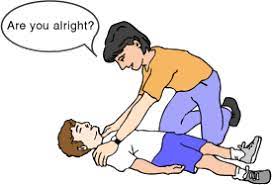
What needs attention
- The article topic must be linked to the actual occupancy and hazard
- Prevention and early warning provide more safety margin than last-second intervention
- Equipment is effective only when correctly selected, accessible and maintained
- People need short practised actions and a clear decision to stop and escape
- Children, visitors and people needing assistance require explicit planning
- Records, drills and inspections matter only when defects are corrected
Controls that reduce risk
- Complete a task- and site-specific hazard assessment
- Verify applicable Indian, state and local requirements
- Use competent inspection for installed systems and specialist hazards
- Keep alarms, exits, signs and emergency access usable
- Train intended users and practise evacuation
- Record defects with an owner and completion date
- Review the plan after changes, incidents or near misses
Understand and apply the guidance
In emergency situations, knowing how to perform basic first aid can make the difference between life and death. This guide will walk you through essential first aid techniques that everyone should know.
Introduction
Emergencies can happen anytime, and being equipped with basic first aid skills can help you provide immediate care to someone in need. This knowledge can stabilize the injured person until professional medical help arrives. Here, we’ll cover some fundamental first aid procedures for common emergencies.
Assessing the Situation
Before administering first aid, it’s crucial to assess the situation to ensure your safety and the safety of the victim.
- Check for Danger: Ensure the scene is safe for you and the victim.
- Assess the Victim: Check if the person is responsive. If they are unconscious, call for emergency services immediately.
Basic First Aid Techniques
- CPR (Cardiopulmonary Resuscitation)
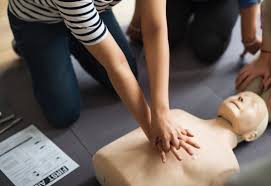
- When to Use: If the person is unresponsive and not breathing.
- Steps:
- Call for Help: Dial emergency services.
- Position Your Hands: Place the heel of one hand in the center of the chest, place the other hand on top, and interlock your fingers.
- Perform Chest Compressions: Push hard and fast at a rate of 100-120 compressions per minute.
- Rescue Breaths: After 30 compressions, give 2 rescue breaths by tilting the head back, lifting the chin, and breathing into the mouth.
- Continue: Alternate between 30 compressions and 2 breaths until help arrives.
2. Choking
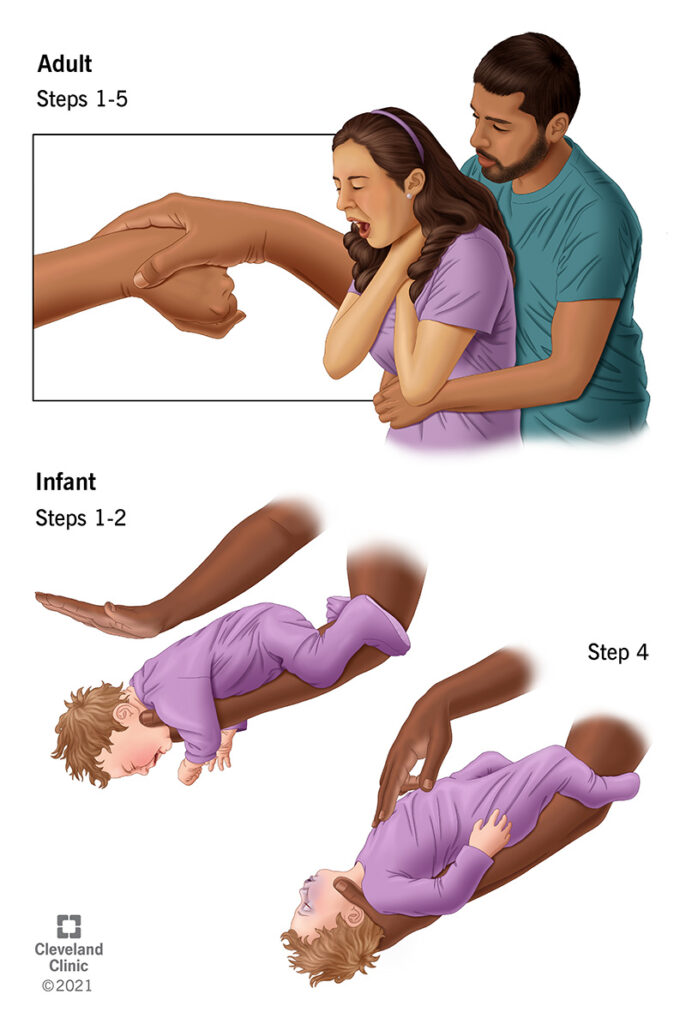
- When to Use: If the person is choking and unable to breathe or speak.
- Steps:
- Encourage Coughing: If they can still breathe or talk, encourage them to cough to dislodge the object.
- Heimlich Maneuver: Stand behind the person, wrap your arms around their waist, and place a fist above their navel. Grasp the fist with your other hand and perform quick, upward thrusts until the object is expelled.
3. Bleeding
- When to Use: For external bleeding.
- Steps:
- Apply Pressure: Use a clean cloth or bandage to apply direct pressure to the wound.
- Elevate the Limb: If possible, raise the injured limb above the heart to reduce blood flow.
- Keep Pressure: Maintain pressure until the bleeding stops or medical help arrives.
- Burns
- When to Use: For minor burns.
- Steps:
- Cool the Burn: Run cool (not cold) water over the burn for at least 10 minutes.
- Protect the Burn: Cover with a sterile, non-stick bandage or clean cloth.
- Avoid Ice: Do not use ice, as it can cause further damage to the skin.
- Fractures and Sprains
- When to Use: If you suspect a broken bone or sprain.
- Steps:
- Immobilize the Area: Use a splint or padding to keep the area stable and prevent movement.
- Apply Ice: Apply ice packs wrapped in cloth to reduce swelling.
- Seek Medical Attention: Get professional medical help as soon as possible.
- Shock
- When to Use: If the person is in shock, which can occur after severe injury or blood loss.
- Steps:
- Lay Them Down: Keep the person lying down with their legs elevated, unless this causes pain or injury.
- Keep Warm: Cover them with a blanket to maintain body temperature.
- Reassure: Keep them calm and reassured until help arrives.
Conclusion
Knowing basic first aid can save lives and provide comfort to those in distress. It’s important to stay calm, assess the situation, and act promptly. Consider taking a certified first aid course to enhance your skills and confidence in handling emergencies.
Common unsafe practices
- Relying on equipment without a hazard assessment
- Blocking or compromising escape routes
- Delaying the alarm or emergency call
- Attempting a response beyond training or safe conditions
- Re-entering before authorised clearance
- Treating a checklist as a substitute for competent inspection