
How to Perform CPR – The 60-Second Lifesaving Skill
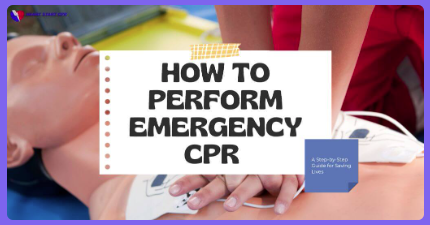
What needs attention
- The article topic must be linked to the actual occupancy and hazard
- Prevention and early warning provide more safety margin than last-second intervention
- Equipment is effective only when correctly selected, accessible and maintained
- People need short practised actions and a clear decision to stop and escape
- Children, visitors and people needing assistance require explicit planning
- Records, drills and inspections matter only when defects are corrected
Controls that reduce risk
- Complete a task- and site-specific hazard assessment
- Verify applicable Indian, state and local requirements
- Use competent inspection for installed systems and specialist hazards
- Keep alarms, exits, signs and emergency access usable
- Train intended users and practise evacuation
- Record defects with an owner and completion date
- Review the plan after changes, incidents or near misses
Understand and apply the guidance
1. Why You Must Know This
In India, less than 2% of people know CPR, compared to over 40% in the US and Europe. Every year, lakhs die of sudden cardiac arrest, road accidents, or drowning simply because bystanders don’t act.
👉 CPR is not a doctor’s skill — it’s a public survival skill. If someone collapses near you, you may be their only chance.
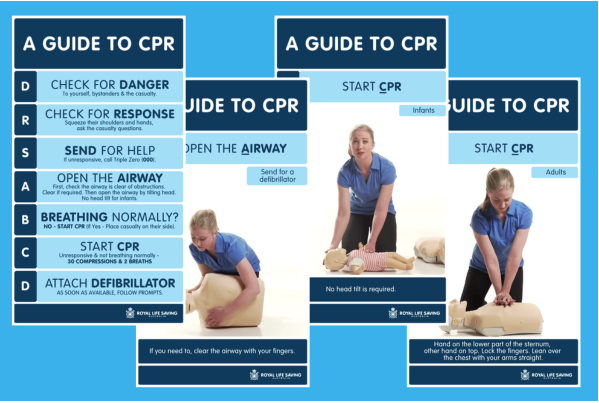
2. Step-by-Step CPR Guide (Adult, Hands-Only)
- Check response: Shake gently, shout “Are you okay?”
- Call for help: Dial 108 or ask someone else to.
- Position hands: Center of chest, one hand on top of the other.
- Push hard, push fast: 100–120 compressions per minute, 5 cm deep. Think: “Stayin’ Alive” beat.
- Don’t stop until ambulance arrives or person breathes.
3. Visual Infographic Suggestion
4. Common Mistakes to Avoid
❌ Pressing too lightly — ineffective.
❌ Stopping after 30 seconds.
❌ Waiting for doctors — in cardiac arrest, every minute reduces survival by 10%.
5. Where Should This Be Practiced?
Schools, corporates, community halls. CPR manikins should be part of annual training.
6. What You Can Do Today
✔ Watch a 2-minute CPR demo video.
✔ Practice on a pillow to get the rhythm.
✔ Ask your HR/school to arrange a CPR workshop.
7. Related Case
“In 2023, a Surat professor collapsed mid-lecture. Students froze, no one gave CPR. He died within minutes. This tragedy could have been avoided with basic awareness.”
8. Final Words
“In the time it takes to scroll a reel, you can learn CPR. One skill — countless lives.”
Common unsafe practices
- Relying on equipment without a hazard assessment
- Blocking or compromising escape routes
- Delaying the alarm or emergency call
- Attempting a response beyond training or safe conditions
- Re-entering before authorised clearance
- Treating a checklist as a substitute for competent inspection