
How To SurviveLife-Safety Intelligence for IndiaEmergency Guide
Home / Safety Blogs / How to Safely Extinguish a Grease Fire: A Step-by-Step Guide
Safety Blog · Ready For Review

How to Safely Extinguish a Grease Fire: A Step-by-Step Guide
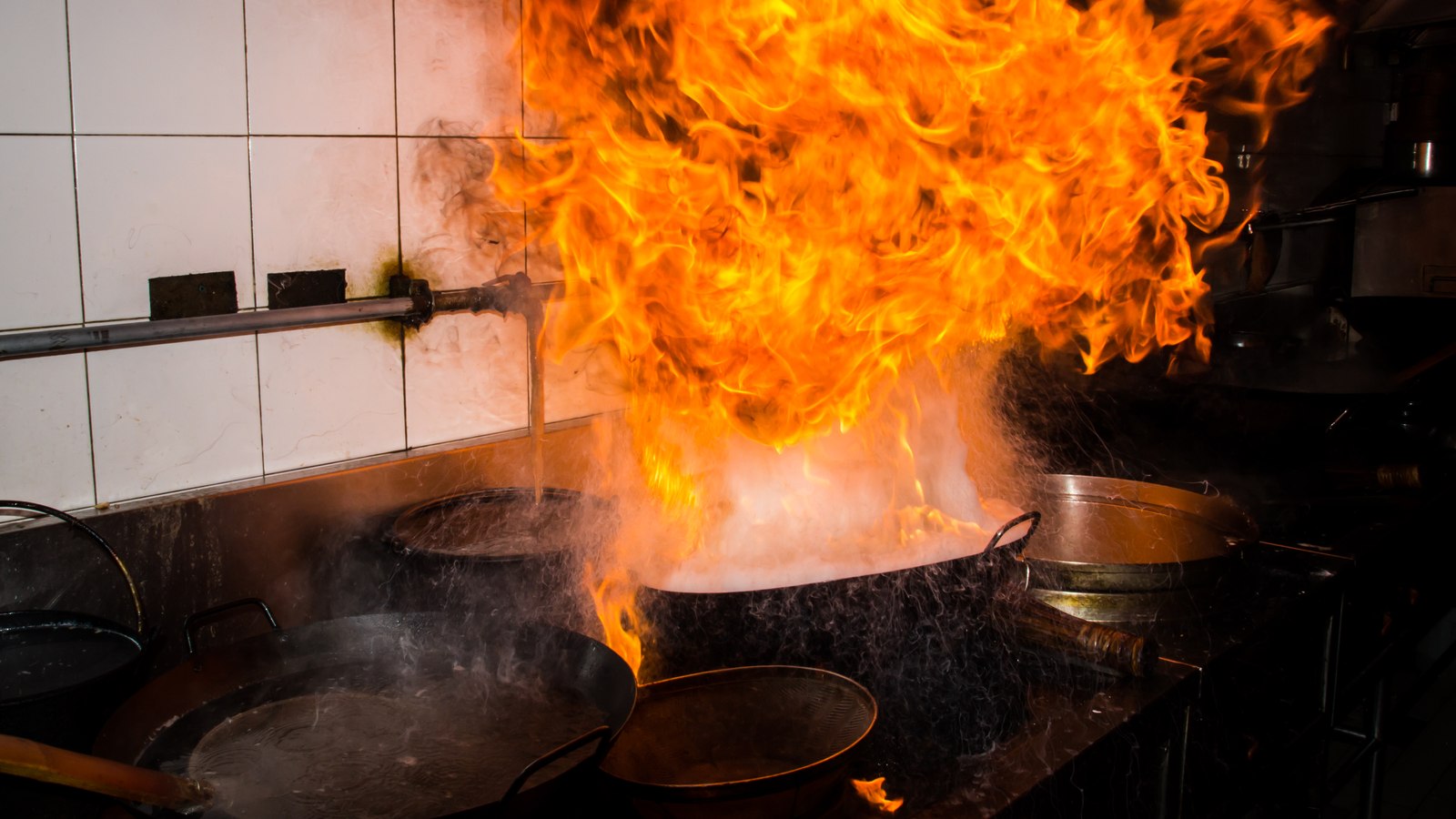
If oil begins to smoke, it is already too hot: turn off the heat and let it cool without moving the pan. If a very small fire is confined within a pan, an adult who is beside it and has a fitting lid may slide the lid over the pan from the side, turn off the heat if safely reachable and leave the pan covered until completely cool. Never throw water on it, never carry it, never use flour, and do not lift the lid to check. If flame has spread beyond the pan, reaches the hood or cabinets, produces heavy smoke, blocks the exit, involves LPG leakage or cannot be covered immediately, raise the alarm, evacuate, close the kitchen door and call 112. A suitable Class F wet-chemical extinguisher is a trained-user tool; its discharge must not splash the oil, and commercial fixed suppression must be maintained by competent providers.

TopicFire Safety · Home SafetyUpdated2026-09-01
01
The guide

How to Safely Extinguish a Grease Fire: A Step-by-Step Guide

How to Safely Extinguish a Grease Fire: A Step-by-Step Guide

What needs attention

  • The legacy sequence repeats the lid step and places other methods between those repetitions, which can delay the safest decision
  • The key decision is not which household powder to find; it is whether a small contained fire can be covered immediately without sacrificing escape
  • Class K is a North American label; India uses Class F for cooking oils and fats
  • Water sinks below oil, flashes toward steam and can violently eject burning oil from the pan
  • Moving a pan combines flame, hot liquid and trip risk and can spread fire through the escape route
  • A towel or cloth can ignite, hang into the oil or expose the user's hands; a fitting rigid lid is the clearer household instruction
  • A lid must remain on during cooling because hot oil can re-ignite when oxygen returns
  • PASS is not enough by itself; rating, distance, discharge pattern, escape position and user training matter
  • Wet-chemical Class F protection works differently from generic dry powder and is selected for hot cooking oils
  • Commercial fryers can contain far more fuel and stored heat than a household pan and need engineered controls and fixed suppression
  • Fire in the hood or duct is no longer a contained pan fire
  • Burn first aid begins only after scene safety; oil, toothpaste and ice can harm tissue or complicate care

Controls that reduce risk

  1. Keep a clean, dry, fitting lid or flat metal baking sheet beside the pan before oil is heated
  2. Clean accumulated grease from the hob and hood according to appliance instructions
  3. Keep cloth, paper, packaging, aerosol cans and oil containers away from flame and hot surfaces
  4. Stay in the kitchen for frying and turn heat off before leaving
  5. Use an appropriate thermostat-controlled fryer for repeated or deep frying
  6. Keep children and pets outside the cooking zone
  7. Teach every adult the words: cover, heat off, do not move, do not add water, escape
  8. Post 112 and the full address near the exit
  9. Confirm apartment stairs and the outside meeting point are clear
  10. Have a competent provider assess Class F extinguisher needs and train intended adult users
  11. For a commercial kitchen, maintain fixed hood and duct suppression, fuel shutoff and cleaning records
  12. Do not place a general extinguisher where its use would force a person toward the stove or away from the exit
  13. Add burn first-aid supplies that do not encourage creams or home remedies
  14. Practise the decision boundary with the stove cold: contained pan plus lid at hand versus immediate evacuation
  15. After any event, replace used extinguishers and inspect cooking, LPG, electrical and ventilation equipment before reuse

Understand and apply the guidance

Introduction

A grease fire can escalate rapidly and become dangerous if not handled correctly. It’s crucial to know how to respond swiftly and effectively to put out a grease fire without putting yourself or others at risk. In this article, we’ll provide you with a step-by-step guide on how to safely extinguish a grease fire, ensuring that you have the knowledge and confidence to react appropriately in case of an emergency.

Step 1: Assess the Situation

Before taking any action, assess the size and severity of the grease fire. If the fire is small and contained, you might be able to handle it on your own. However, if the fire is large, spreading rapidly, or you’re unsure about how to proceed, it’s safer to evacuate the area immediately and call the fire department.

Step 2: Turn Off the Heat Source

The first action you should take is to turn off the heat source. If the fire is in a pot or pan on the stove, carefully slide the lid over the pan to smother the flames and cut off the oxygen supply. Do not attempt to move the pot or pan, as this can spread the fire.

Step 3: Do NOT Use Water

Using water to extinguish a grease fire is one of the most dangerous mistakes you can make. Water and grease do not mix; when water comes into contact with hot grease, it can cause the grease to splatter and spread the fire. This reaction can lead to serious burns and the fire becoming even more uncontrollable.

Step 4: Use a Fire Extinguisher

If you have a Class K fire extinguisher specifically designed for kitchen fires, you can use it to put out the grease fire. Remember the acronym “PASS” (Pull the pin, Aim at the base of the fire, Squeeze the handle, Sweep from side to side) to operate the fire extinguisher effectively. Stand a safe distance away and aim the extinguisher at the base of the flames, not directly at the flames themselves.

Step 5: Baking Soda or Salt

If you don’t have a fire extinguisher or if the fire is small, you can use baking soda or salt to smother the flames. Sprinkle a generous amount of baking soda or salt onto the fire to create a barrier that suppresses the flames by cutting off their oxygen supply. This method is effective for small grease fires and can help contain the situation.

Step 6: Use a Metal Lid

If you weren’t able to turn off the heat source in time, and the fire is still burning, you can use a metal lid to cover the pan. Make sure the lid is larger than the pan to prevent oxygen from getting in. Using an oven mitt or a towel, carefully slide the lid over the pan to smother the flames. Turn off the burner and let the pan cool down completely before removing the lid.

Step 7: NEVER Use Flour

Using flour to extinguish a grease fire is extremely dangerous. Flour is combustible and can ignite, causing the fire to spread. Never attempt to put out a grease fire with flour under any circumstances.

Step 8: Call for Help

If the fire continues to burn despite your efforts or if it becomes unmanageable, evacuate the area immediately and call the fire department. It’s better to let professionals handle the situation to ensure your safety and the safety of others.

Conclusion

Knowing how to put out a grease fire safely is an essential skill that can prevent a small incident from turning into a major disaster. Remember to assess the situation, turn off the heat source, avoid using water, use a fire extinguisher or baking soda/salt, and never use flour. By following these steps and prioritizing safety, you’ll be well-equipped to handle a grease fire and protect yourself, your loved ones, and your property.

Common unsafe practices

  • Throwing water on burning oil
  • Picking up or carrying the burning pan
  • Leaning directly over flame to place a lid
  • Using a wet lid, wet cloth or damp fire blanket near hot oil
  • Throwing flour, sugar or other combustible powder onto the fire
  • Searching for salt or baking soda while the fire grows
  • Using too little powder and scattering burning oil
  • Lifting the lid to check whether the flame has stopped
  • Turning on an exhaust hood after fire starts and drawing flame or smoke into greasy ductwork
  • Applying a generic extinguisher without confirming Class F suitability
  • Standing where the fire lies between the user and the exit
  • Continuing an extinguisher attempt after flame spreads beyond the pan
  • Trying to shut an LPG valve through flame or dense smoke
  • Using the lift while evacuating an apartment building
  • Applying ice, butter, oil, toothpaste or home remedies to a burn
  • Restarting the stove before LPG, electrical, hood and suppression systems are inspected
02
Watch & learn

Related Videos

Captions
Public fire response and extinguisher limits

Fire Safety Tips and How to Use a Fire Extinguisher

BBC News Hindi · Hindi · Verified

Verified with YouTube oEmbed

03
Facts & action

Evidence, Cases & Next Steps

0Safe water applications to burning cooking oilNever add water
0Safe reasons to carry a burning panLeave it in place
0Safe flour applications to fireFlour can burn and disperse
Turn heat off and leave pan stationary to coolOil smoking but not burning
Cover from the side and shut heat if immediately safeSmall flame entirely inside pan, lid at hand
Evacuate, close door and call 112Flame outside pan
Treat as spreading structural fireHood or cabinet involved
Immediate escape; no extinguisher attemptDense smoke or impaired visibility
Evacuate and warn responders of LPGLPG leak or cylinder exposed
Trained fixed-suppression and Class F responseCommercial fryer fire
Do not chase or grab; raise alarm, clear route and call respondersBurning oil carried by a person
Cool under running water and assess medicallyMinor burn after scene is safe
Urgent medical evaluationFace, airway, hand, joint, large or deep burn

What the evidence supports

  • Fire class in India | Class F covers cooking oils and fats in cooking appliances under BIS IS 2190:2024
  • Early warning | Smoking or boiling oil signals excessive temperature; turn off heat before ignition
  • Small contained pan | Slide a fitting lid or flat metal baking sheet over the pan only if it is within immediate safe reach
  • Heat source | Turn it off only if the control can be reached without passing through flame or smoke
  • Cooling | Keep the pan covered and stationary until fully cool; premature lid removal can admit oxygen and cause re-ignition
  • Water | Never apply water to burning oil; rapid steam formation can eject and spread flaming oil
  • Movement | Never carry a burning pan to a sink, balcony or outdoors
  • Flour | Combustible and dispersible; never use it on fire
  • Salt or baking soda | Not recommended here as a public procedure because quantity, reach and splashing cannot be safely assured
  • Extinguisher | Use only a correctly rated Class F unit when trained, with a clear exit and a small controllable fire
  • Escalation | Flame beyond the pan, heavy smoke or uncertain conditions mean immediate evacuation and 112
  • Burn first aid | After reaching safety, cool a burn under cool running water for at least 10 minutes; no ice, oil, butter, toothpaste or ointment

Immediate prevention actions

  1. Place a fitting, dry lid beside the pan
  2. Remove cloth, paper and packaging from the cooking zone
  3. Clean visible grease from the stove and arrange hood cleaning if needed
  4. Check that pan handles turn inward and cannot be knocked
  5. Keep children and pets away from hot oil
  6. Save 112 and display the full address
  7. Say the response aloud: cover only if tiny and safe; heat off; do not move; no water; escape
  8. Check the route from kitchen to outside meeting point
  9. Confirm the kitchen extinguisher is marked for the actual hazard and within service status
  10. Arrange adult training before relying on an extinguisher
  11. Review LPG hose, regulator and ventilation using authorized guidance
  12. Remove flour, salt and baking-soda improvisation from the emergency plan
  13. Stock clean burn covering material but no burn creams as first response
  14. For commercial kitchens, review hood cleaning, suppression and fuel-shutoff records

Emergency survival steps

  1. If oil smokes, turn off heat and leave the pan where it is
  2. If a tiny flame is wholly inside the pan and a lid is immediately available, slide the lid on from the side without leaning over it
  3. Turn off the heat only if the control is safely reachable
  4. Keep the pan covered and stationary until completely cool
  5. Never use water, never carry the pan and never use flour
  6. Do not rely on salt or baking soda as an emergency plan
  7. If flame spreads, smoke grows, the lid is not at hand or you feel unsafe, shout a warning and evacuate immediately
  8. Close the kitchen or flat door behind you if it does not delay escape
  9. Use stairs, not lifts, and meet outside
  10. Call 112 with the full address, floor, access point, LPG information and anyone missing
  11. Use a Class F extinguisher only if trained, the fire remains small and the exit is clear behind you
  12. Stop any extinguisher attempt the moment heat, smoke or flame increases
  13. If clothing ignites, stop, drop and roll; another person can use water on burning clothing once clear of electrical hazards
  14. After scene safety, cool a burn under cool running water for at least 10 minutes; do not use ice or household remedies
  15. Seek urgent care for serious, deep, large, face, hand, joint, genital or inhalation burns
  16. Re-enter and reuse the kitchen only after responsible authorities and competent technicians clear it

Limitations

  • A photograph or short description cannot establish whether a fire is small enough for intervention
  • Pan size, oil depth, stove, hood, LPG, room geometry and user capability change the risk
  • Class F extinguisher selection and commercial suppression require competent assessment and maintenance
  • A lid cannot safely control fire that has spread outside the pan or into the hood
  • Fire blankets have product-specific limitations and can create reach or splash hazards; this article does not give a generic blanket procedure
  • Burn severity can be underestimated immediately after injury, especially on face, hands, joints or with inhalation
  • Video demonstrations do not substitute for hands-on extinguisher training
  • The exported post includes one illustrative image with no verified incident provenance or reuse metadata
  • This article cannot authorize a user to remain in smoke or attempt firefighting
Sources and further readingBureau of Indian Standards: IS 2190:2024 Selection, Installation and Maintenance of First-Aid Fire Extinguishers ↗Bureau of Indian Standards: Fire Extinguisher Consumer Guide and Class F Definition ↗Emergency Response Support System, Government of India: 112 ↗Delhi Fire Service: Fire Safety and Escape Guidance ↗IndianOil: Indane LPG and Emergency Helpline 1906 ↗U.S. Fire Administration: Cooking Fire Safety ↗U.S. Fire Administration: Cook Top Fire Safety Tips ↗U.S. Fire Administration: Public Fire Information Messages ↗Ministry of Health and Family Welfare, India: Standard Treatment Guidelines for Burns ↗Directorate General of Health Services, India: First Aid Following Firecracker Injuries ↗Last reviewed 2026-09-01