
How to Use a Hydrant Valve in an Emergency A Step-by-Step Guide
What needs attention
- The article topic must be linked to the actual occupancy and hazard
- Prevention and early warning provide more safety margin than last-second intervention
- Equipment is effective only when correctly selected, accessible and maintained
- People need short practised actions and a clear decision to stop and escape
- Children, visitors and people needing assistance require explicit planning
- Records, drills and inspections matter only when defects are corrected
Controls that reduce risk
- Complete a task- and site-specific hazard assessment
- Verify applicable Indian, state and local requirements
- Use competent inspection for installed systems and specialist hazards
- Keep alarms, exits, signs and emergency access usable
- Train intended users and practise evacuation
- Record defects with an owner and completion date
- Review the plan after changes, incidents or near misses
Understand and apply the guidance
In the event of a fire emergency, quick and effective action can save lives and property. One crucial tool for firefighters and civilians alike is the hydrant valve. Hydrant valves provide a ready supply of water for firefighting, but using them correctly is essential for maximum effectiveness. This guide will walk you through the necessary steps to operate a hydrant valve during an emergency.
What is a Hydrant Valve?
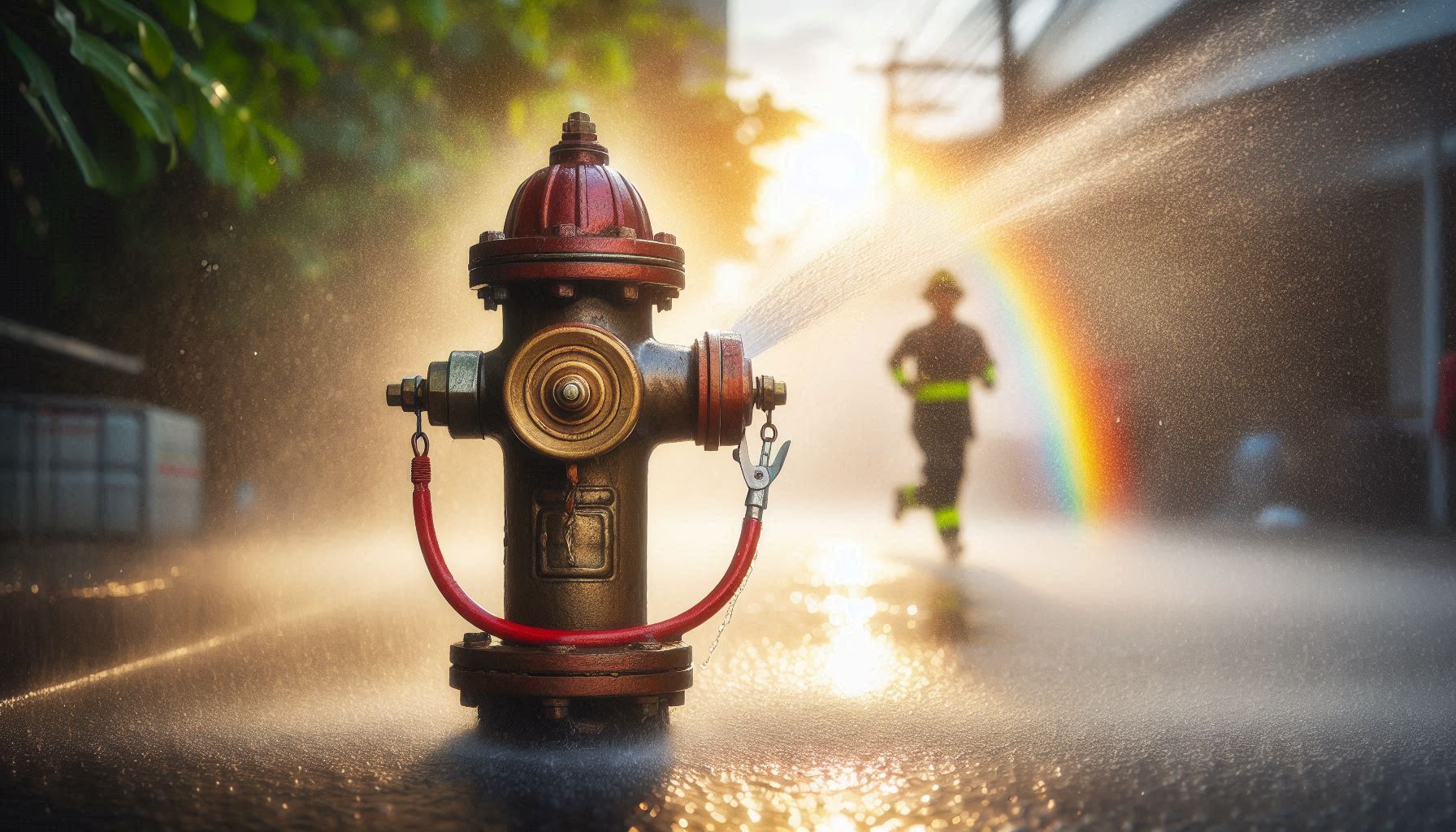
A hydrant valve, commonly known as a fire hydrant, is connected to a water supply and provides high-pressure water to extinguish fires. There are two main types of hydrant valves:
- Wet Barrel Hydrants: Constantly filled with water, suitable for regions without freezing temperatures.
- Dry Barrel Hydrants: Only filled with water when needed, to prevent freezing in colder climates.
Step-by-Step Guide to Using a Hydrant Valve
Step 1: Locate the Hydrant Valve
- Identify the nearest hydrant valve. They are typically marked by a red color and often have clear signage indicating their location.
Step 2: Ensure Personal Safety
- Before approaching the hydrant, make sure you are wearing appropriate protective gear, such as gloves and a helmet, if available. Ensure the area around the hydrant is safe from immediate fire threats.
Step 3: Remove the Hydrant Cap
- Use a hydrant wrench or a compatible tool to remove the cap from the valve. Turn the wrench counterclockwise to loosen and remove the cap.
Step 4: Attach the Fire Hose
- Securely attach a fire hose to the hydrant outlet. Make sure the connection is tight to avoid any water leakage.
Step 5: Open the Hydrant Valve
- Using the hydrant wrench, turn the valve stem counterclockwise to open the hydrant. This action will allow water to flow into the hose.
Step 6: Control the Water Flow
- With the hydrant fully open, control the water flow using the nozzle on the fire hose. Aim the water stream at the base of the fire to maximize effectiveness.
Step 7: Monitor and Adjust as Needed
- Keep a close watch on the fire and adjust the water stream as necessary. Ensure you are coordinating with other emergency responders on the scene.
Step 8: Close the Hydrant Valve
- Once the fire is under control or extinguished, close the hydrant valve by turning the stem clockwise. This will stop the flow of water. Replace the cap on the hydrant and ensure it is securely fastened.
Step 9: Report and Maintain
- After using the hydrant, report its use to the relevant authorities so it can be inspected and maintained. Ensure the hydrant is left in a ready state for future emergencies.
Important Safety Tips
- Know the Locations: Familiarize yourself with the locations of hydrant valves in your area, both in residential and commercial spaces.
- Regular Inspections: Ensure hydrant valves are regularly inspected and maintained to be in working condition.
- Emergency Drills: Participate in or conduct regular emergency drills to practice using hydrant valves and other fire safety equipment.
- Stay Calm: In an emergency, remaining calm and following the steps methodically can significantly improve the outcome.
Conclusion
Properly using a hydrant valve in an emergency can be a lifesaving action. By understanding and practicing the steps involved, you can be better prepared to handle a fire emergency effectively. Remember, fire safety is a shared responsibility, and being prepared is the first step towards ensuring a safer community.
Common unsafe practices
- Relying on equipment without a hazard assessment
- Blocking or compromising escape routes
- Delaying the alarm or emergency call
- Attempting a response beyond training or safe conditions
- Re-entering before authorised clearance
- Treating a checklist as a substitute for competent inspection