
How to Use Smoke Detectors for Fire Safety | Step-by-Step Guide
What needs attention
- The article topic must be linked to the actual occupancy and hazard
- Prevention and early warning provide more safety margin than last-second intervention
- Equipment is effective only when correctly selected, accessible and maintained
- People need short practised actions and a clear decision to stop and escape
- Children, visitors and people needing assistance require explicit planning
- Records, drills and inspections matter only when defects are corrected
Controls that reduce risk
- Complete a task- and site-specific hazard assessment
- Verify applicable Indian, state and local requirements
- Use competent inspection for installed systems and specialist hazards
- Keep alarms, exits, signs and emergency access usable
- Train intended users and practise evacuation
- Record defects with an owner and completion date
- Review the plan after changes, incidents or near misses
Understand and apply the guidance
Fire safety is one of the most critical aspects of home and workplace safety. A smoke detector is a device that can be a lifesaver in the event of a fire. Smoke detectors are designed to detect smoke and alert people in the vicinity so they can take appropriate action to escape. However, many people do not know how to use smoke detectors correctly. In this article, we will provide a step-by-step guide on how to use a smoke detector for fire safety in an Indian context.
Why Smoke Detectors Are Important
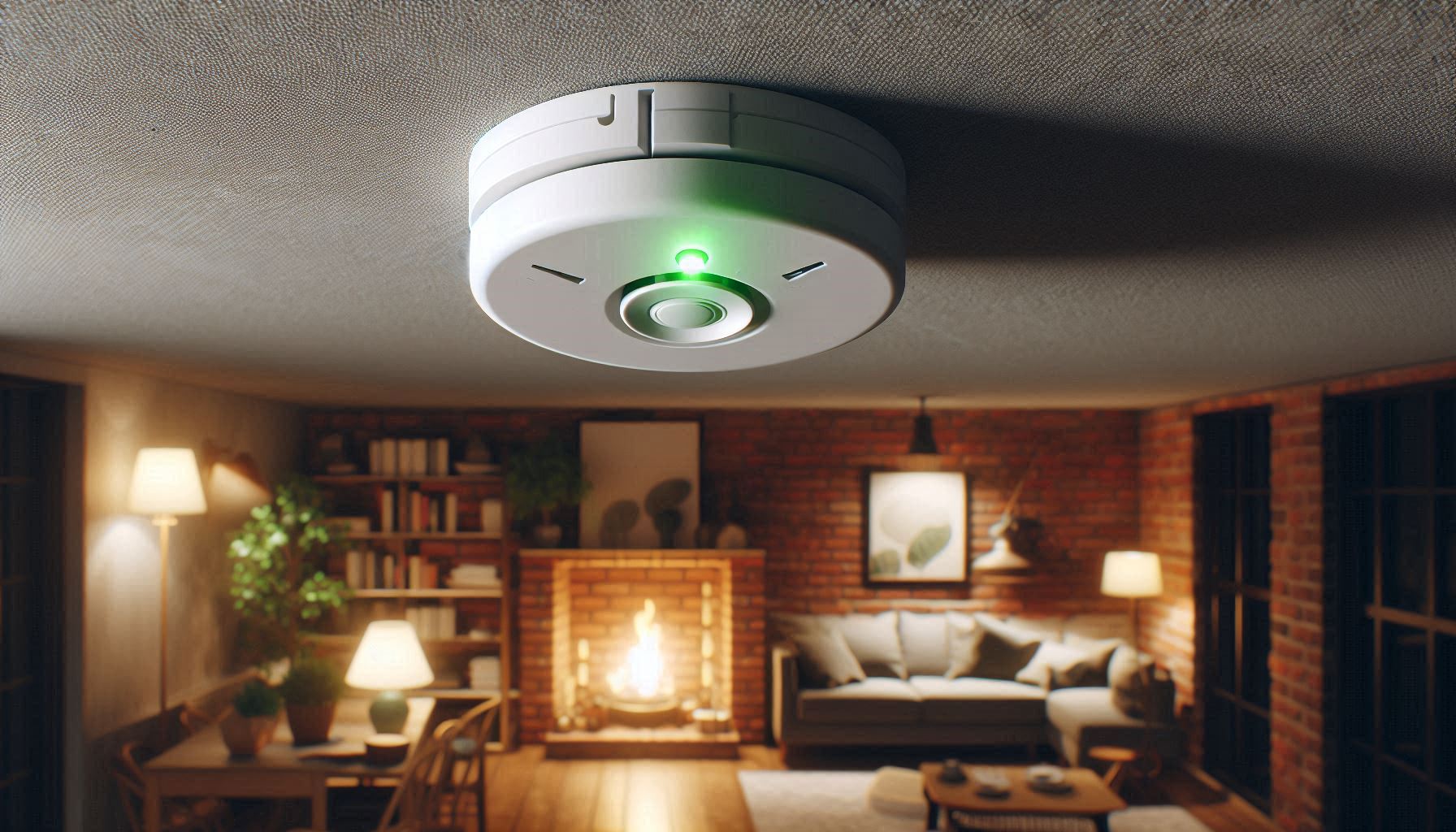
Smoke detectors are crucial because they can detect a fire before it becomes visible or spreads. They can detect smoke and alert people to the danger, giving them time to evacuate the area or call for help. Smoke detectors can save lives and prevent property damage.
According to the National Crime Records Bureau (NCRB) in India, there were 42,592 fire incidents in 2019, resulting in 1,372 deaths and 1,674 injuries. This highlights the importance of taking fire safety seriously and having smoke detectors installed in homes and workplaces.
Step-by-Step Guide on How to Use a Smoke Detector for Fire Safety
Step 1: Choose the Right Smoke Detector There are two main types of smoke detectors: ionization smoke detectors and photoelectric smoke detectors. Ionization smoke detectors are better at detecting fast, flaming fires, while photoelectric smoke detectors are better at detecting slow, smouldering fires. Both types of smoke detectors are effective, but it is essential to choose the right type for your home or workplace.
Step 2: Install Smoke Detectors Correctly Smoke detectors should be installed on the ceiling or high up on the wall, away from doors, windows, and air vents. They should be installed in every bedroom, hallway, and level of the home or workplace. It is also essential to follow the manufacturer’s instructions for installation and maintenance.
Step 3: Test Smoke Detectors Regularly Smoke detectors should be tested at least once a month to ensure they are functioning correctly. To test a smoke detector, press and hold the test button until you hear the alarm. If the alarm does not sound, replace the batteries or replace the smoke detector.
Step 4: Replace Smoke Detector Batteries Smoke detector batteries should be replaced at least once a year or when the low battery warning sound is heard. It is crucial to keep spare batteries on hand so that you can replace them immediately when needed.
Step 5: Clean Smoke Detectors Smoke detectors should be cleaned regularly to ensure they are functioning correctly. Use a vacuum cleaner or soft brush to remove dust and debris from the detector. It is also essential to avoid painting or decorating the smoke detector.
Step 6: Have an Escape Plan In addition to installing smoke detectors, it is essential to have an escape plan in case of a fire. Make sure everyone in the home or workplace knows the escape plan and where to meet outside. Practice the escape plan regularly to ensure everyone knows what to do in case of a fire.
Conclusion
Smoke detectors are essential for fire safety in homes and workplaces. Choosing the right type of smoke detector, installing them correctly, testing them regularly, replacing batteries, cleaning them, and having an escape plan are all essential steps in using smoke detectors for fire safety. It is also important to follow fire safety regulations and guidelines to ensure maximum protection against fire hazards. By following these steps, we can ensure the safety of our loved ones and property.
Stay informed. Stay prepared. Together, let’s learn how to survive.

Common unsafe practices
- Relying on equipment without a hazard assessment
- Blocking or compromising escape routes
- Delaying the alarm or emergency call
- Attempting a response beyond training or safe conditions
- Re-entering before authorised clearance
- Treating a checklist as a substitute for competent inspection