
How To SurviveLife-Safety Intelligence for IndiaEmergency Guide
Home / Safety Blogs / India Loses 3% of GDP to Disasters Every Year
Safety Blog · Ready For Review

India Loses 3% of GDP to Disasters Every Year
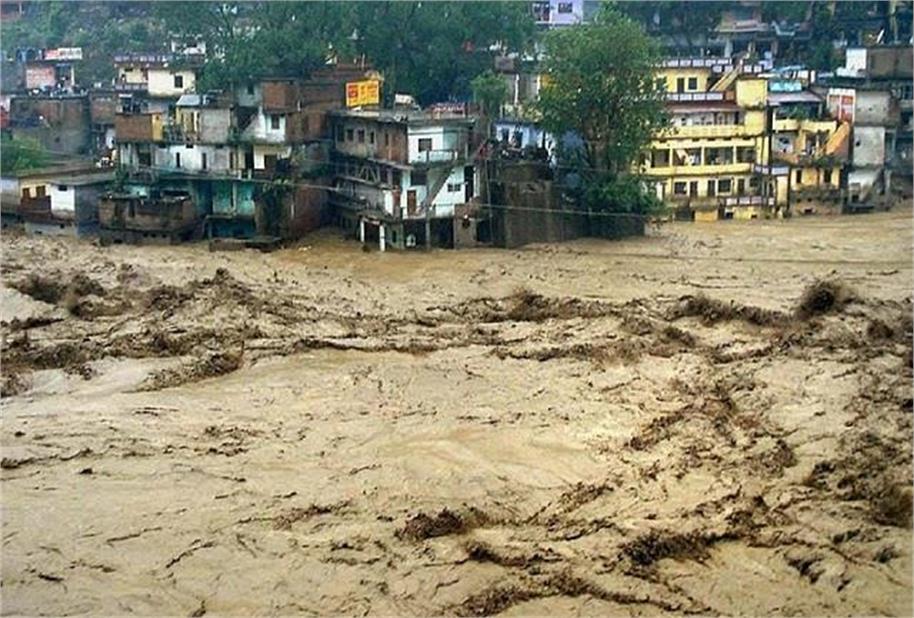
India Loses 3% of GDP to Disasters Every Year converts general preparedness advice into an India-focused plan with alerts, contacts, medicines, documents, assistance, evacuation and recovery responsibilities.

TopicDisaster PreparednessUpdated2026-09-02
01
The guide

India Loses 3% of GDP to Disasters Every Year

India Loses 3% of GDP to Disasters Every Year

What needs attention

  • The article topic must be linked to the actual occupancy and hazard
  • Prevention and early warning provide more safety margin than last-second intervention
  • Equipment is effective only when correctly selected, accessible and maintained
  • People need short practised actions and a clear decision to stop and escape
  • Children, visitors and people needing assistance require explicit planning
  • Records, drills and inspections matter only when defects are corrected

Controls that reduce risk

  1. Complete a task- and site-specific hazard assessment
  2. Verify applicable Indian, state and local requirements
  3. Use competent inspection for installed systems and specialist hazards
  4. Keep alarms, exits, signs and emergency access usable
  5. Train intended users and practise evacuation
  6. Record defects with an owner and completion date
  7. Review the plan after changes, incidents or near misses

Understand and apply the guidance

🔴 Truth Drop
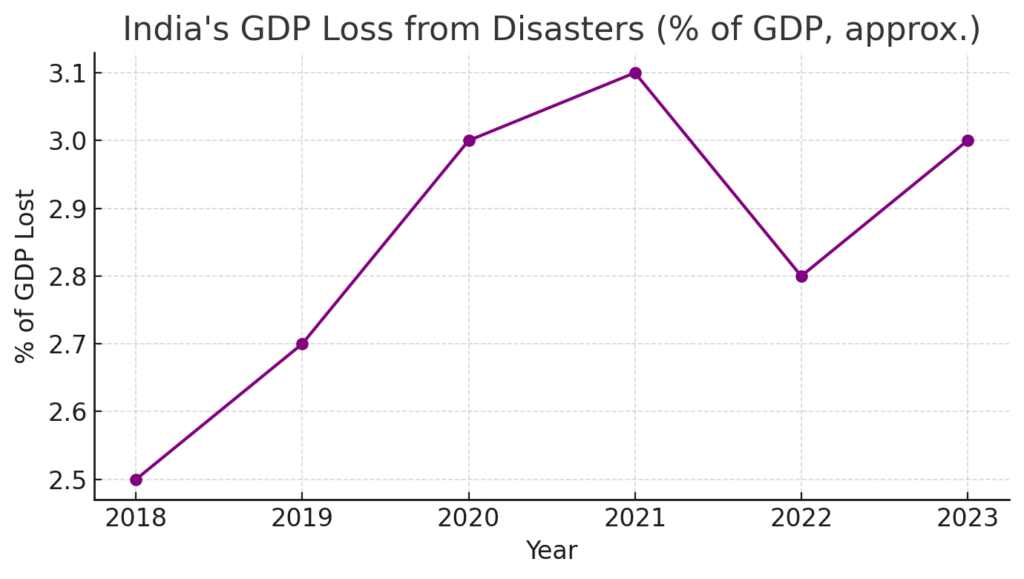
India loses ₹4–5 lakh crore annually — nearly 3% of GDP — due to disasters like floods, fires, and road accidents.
(Source: UNDRR, NDMA)

📖 Why This Matters
This is not just about human lives. Disasters eat into India’s economy — wiping out factories, crops, housing, and infrastructure. Every rupee lost in fire or flood is a rupee not spent on healthcare, education, or jobs. Countries like Japan spend 4% of GDP on disaster prevention, which saves them far more during earthquakes and tsunamis. In India, prevention budgets remain tiny.

💥 Myth vs Fact

  • Myth: “Disasters are unpredictable, so we can’t plan for them.”
  • Fact: 70–80% of India’s disasters are predictable (flood seasons, high-risk zones). What’s missing is preparation.
  • Myth: “Prevention costs too much.”
  • Fact: World Bank shows every ₹1 spent on prevention saves ₹7 in recovery.

📊 Data & Visual

🧰 What You Can Do Today

  • Citizens: Protect homes with basic safety tools, insure property.
  • Corporates: Treat safety as investment, not expense.
  • Government: Allocate larger disaster prevention budgets.

📎 Sources
UNDRR India 2023, NDMA Economic Loss Reports, World Bank Resilience Studies.

📣 Call to Action
“Every fire prevented is not just a life saved, but also crores of rupees protected.”

🔚 Closing Line
“Disasters kill people — and futures. Prevention is not optional, it’s profitable.”

Common unsafe practices

  • Relying on equipment without a hazard assessment
  • Blocking or compromising escape routes
  • Delaying the alarm or emergency call
  • Attempting a response beyond training or safe conditions
  • Re-entering before authorised clearance
  • Treating a checklist as a substitute for competent inspection
02
Watch & learn

Related Videos

Captions
Evacuation practice

Evacuation Procedure in Hindi

Safety is Life · Hindi · Verified

Review before publication

03
Facts & action

Evidence, Cases & Next Steps

Pan-India emergency number112
Family meeting point1 primary and 1 alternate
Communication contact1 out-of-area contact
112Pan-India emergency number
1 primary and 1 alternateFamily meeting point
1 out-of-area contactCommunication contact
After every major household or hazard changePreparedness review
Hazard-specific state and district advice governsEvidence boundary

What the evidence supports

  • Pan-India emergency number | 112
  • Family meeting point | 1 primary and 1 alternate
  • Communication contact | 1 out-of-area contact
  • Preparedness review | After every major household or hazard change
  • Evidence boundary | Hazard-specific state and district advice governs

Immediate prevention actions

  1. Save 112 and display the full address
  2. Identify two usable escape routes where possible
  3. Remove one obstruction or unsafe condition
  4. Check the relevant alarm, PPE or safety equipment
  5. Assign assistance for children, older people and people with disabilities
  6. Schedule the next drill, service or competent inspection

Emergency survival steps

  1. Raise the alarm and warn others
  2. Move away from smoke, fire, traffic, electricity or another immediate hazard
  3. Use the safest available exit and do not use lifts during an ordinary building fire
  4. Call 112 from a safe place with the full address and hazard details
  5. Assist others only within your capability and without losing your own escape
  6. Do not re-enter until the responsible authority gives clearance

Limitations

  • Requirements vary by occupancy, state, local authority, equipment, hazard and user capability. Existing article images are retained as editorial assets but their original reuse rights and captions require confirmation. Videos supplement—not replace—hands-on training or competent advice.
Sources and further readingNational Disaster Management Authority ↗National Institute of Disaster Management: NDMA Guidelines ↗Emergency Response Support System ↗UP State Disaster Management Authority: NDMA Guidelines collection ↗Last reviewed 2026-09-02