
India’s Travel Hubs: Disaster Waiting to Happen
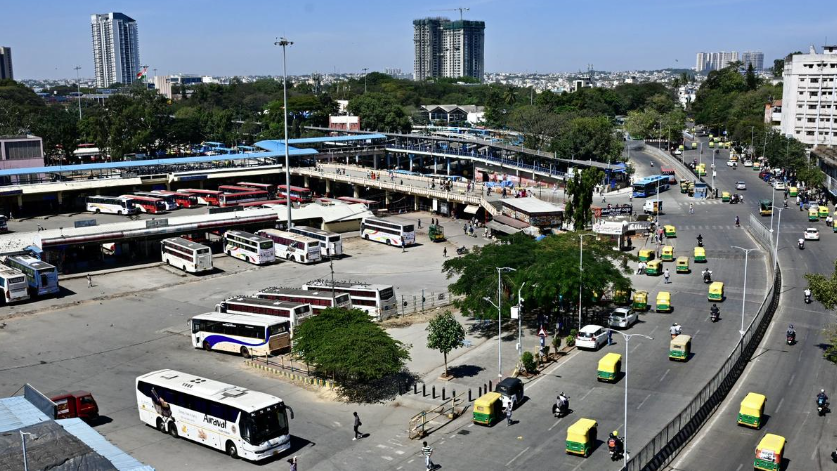
What needs attention
- The article topic must be linked to the actual occupancy and hazard
- Prevention and early warning provide more safety margin than last-second intervention
- PPE cannot compensate for an uncontrolled hazard
- People need short practised actions and a clear decision to stop and escape
- Children, visitors and people needing assistance require explicit planning
- Records, drills and inspections matter only when defects are corrected
Controls that reduce risk
- Complete a task- and site-specific hazard assessment
- Verify applicable Indian, state and local requirements
- Use competent inspection for installed systems and specialist hazards
- Keep alarms, exits, signs and emergency access usable
- Train intended users and practise evacuation
- Record defects with an owner and completion date
- Review the plan after changes, incidents or near misses
Understand and apply the guidance
📍 What We Found (During Regular Travel)
In the last few weeks, we observed shocking fire safety failures in India’s busiest public spaces. These are not small gaps — they are life-threatening system breakdowns.
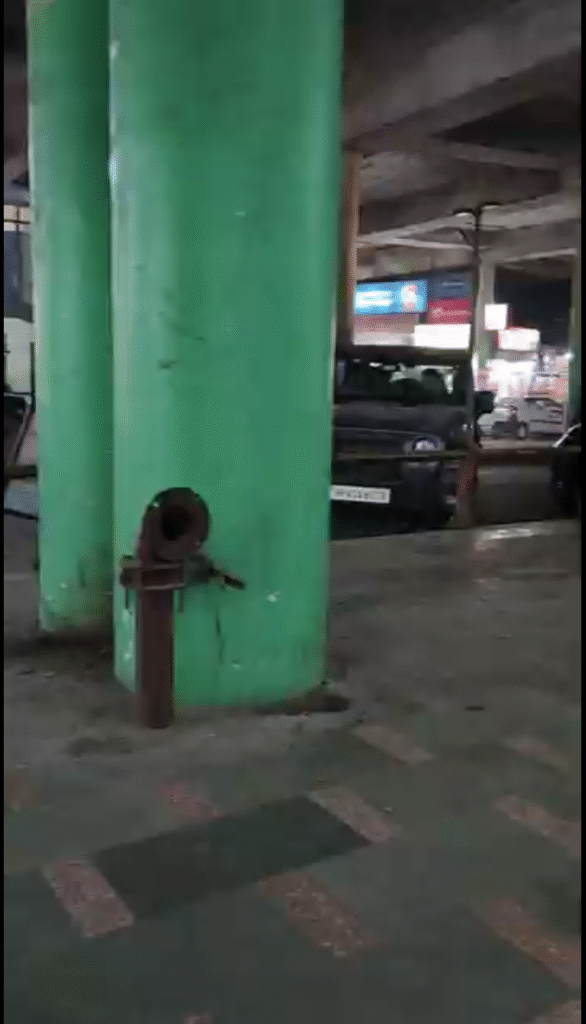
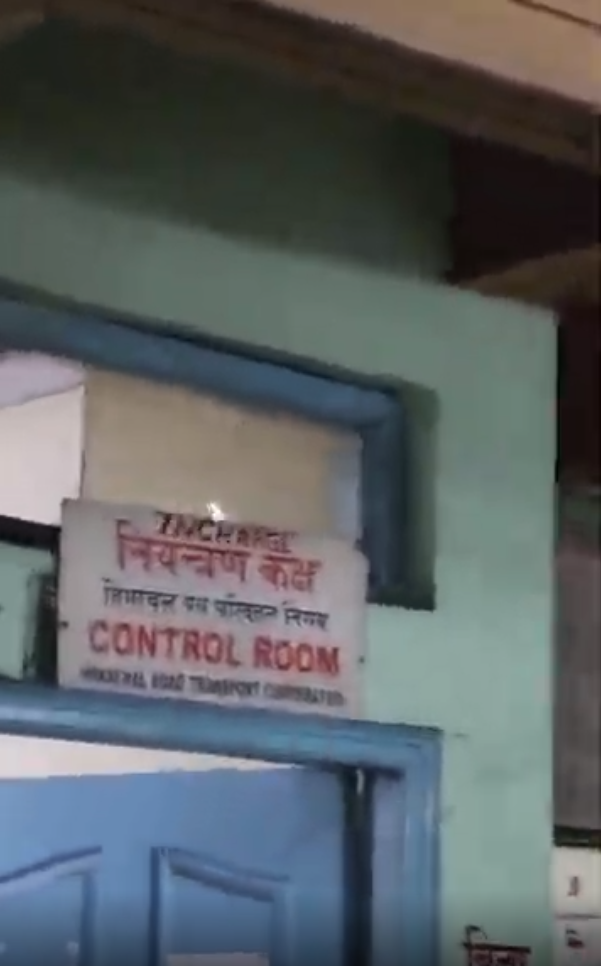
- Bus Station (Shimla) – Fire hydrant not functional 🚫
➝ Visible open flange where hydrant should be.
➝ Either missing, stolen, or never installed.
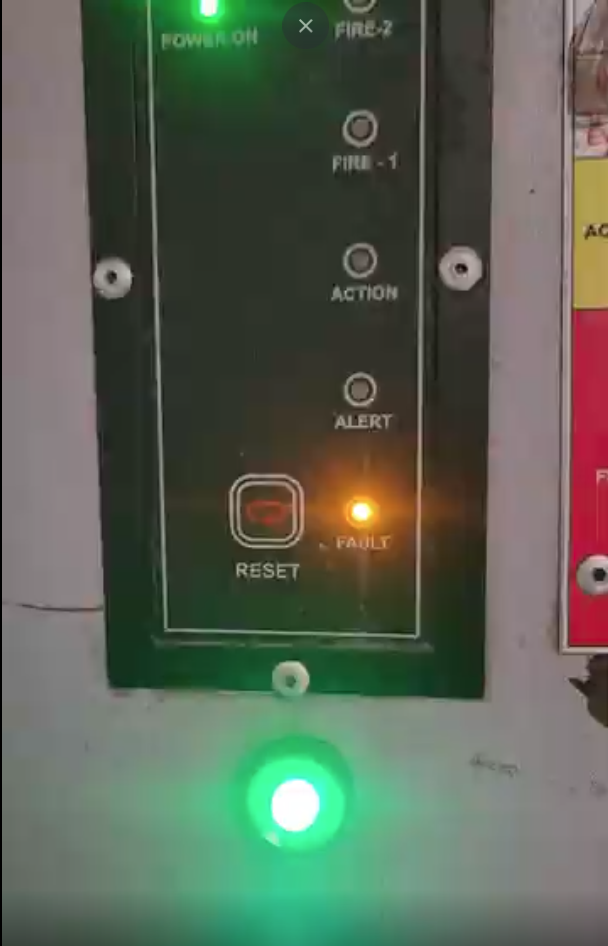
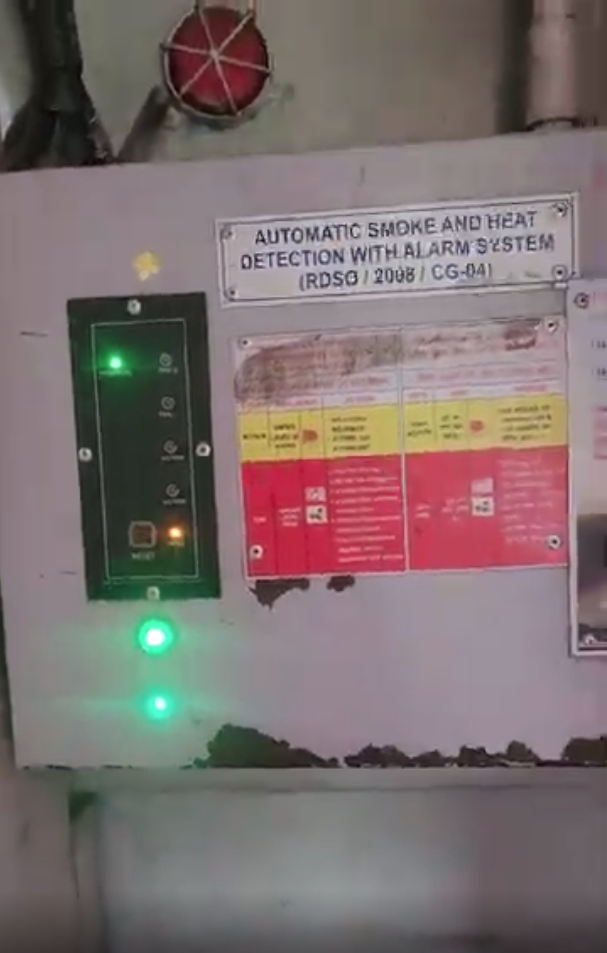
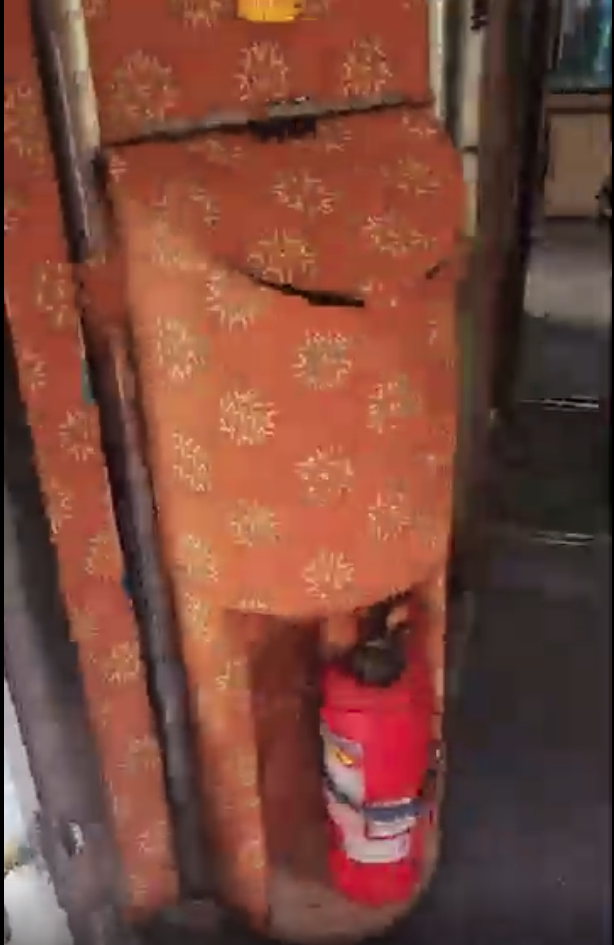
- Train (Shatabdi Express) – Fire alarm faulty 🚫
➝ Indicator light clearly malfunctioning in coach.
➝ If fire starts, passengers will never get an early warning.
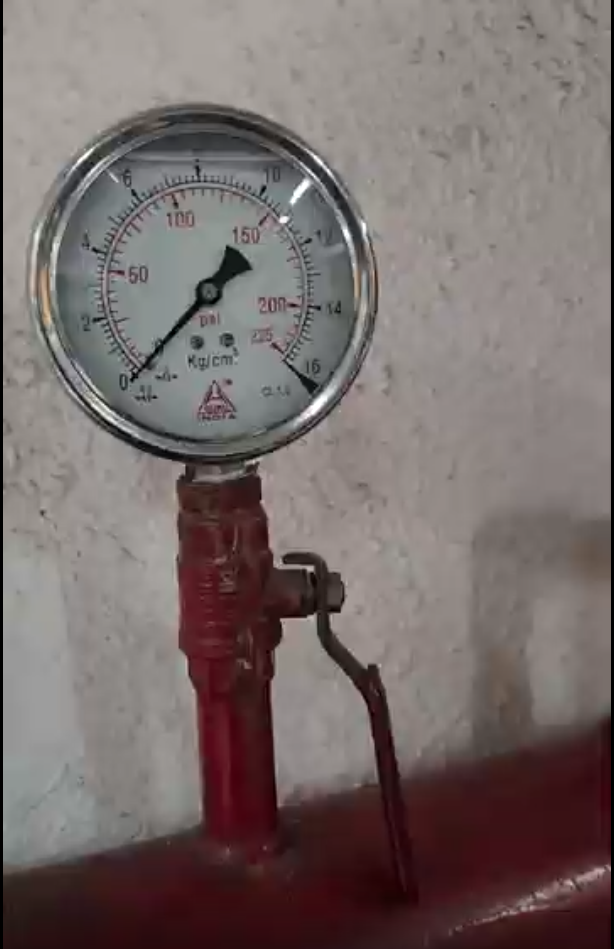
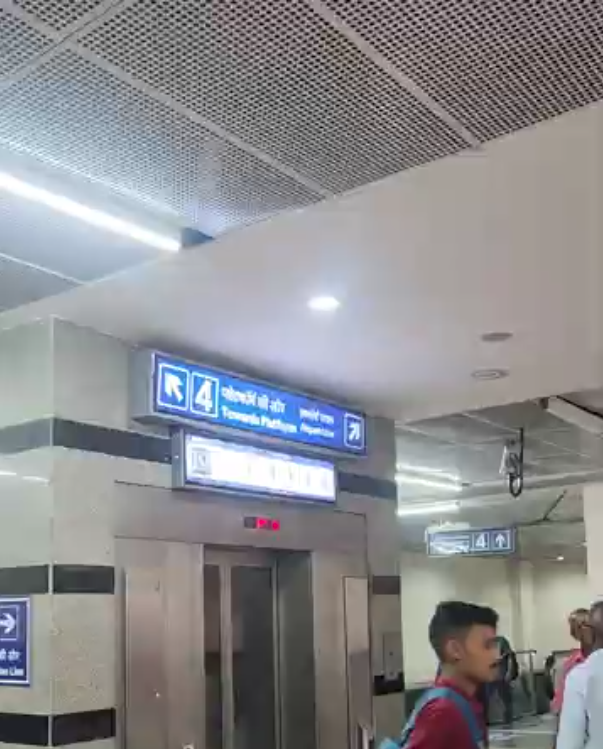
- Metro Station (Dwarka, Delhi) – Fire hydrant not charged 🚫
➝ Pressure gauge showed ZERO — system dry, useless in emergency.
➝ No one checking daily.
🔍 Why This Matters
Public spaces like bus stations, trains, and metros handle lakhs of passengers every single day.
In case of fire:
- 🚫 Hydrant without water = no suppression
- 🚫 Alarm without sound = no evacuation
- 🚫 Exit without access = mass panic
This is how a small accident becomes a national disaster.
⚠️ The Core Problem
👉 Safety systems exist only on paper, not in function.
👉 Maintenance ignored — public trusts what they see, not what works.
👉 No citizen reporting system — failures continue hidden.
🛡 How You Can Survive & Help
✅ Notice – Check hydrants, extinguishers, alarms when in public spaces
✅ Inform – Report immediately to station/metro/train authorities
✅ Document – Take photo/video (if safe)
✅ Share – Send to HowToSurvive.in or tag relevant authorities
✅ Teach family – Don’t ignore safety gaps; one report = many lives saved
📊 Data Context (India)
- India loses >1,000 lives every year in fires at public spaces & transport hubs (NCRB, 2022)
- Over 60% hydrants and alarms in public buildings are non-functional in random audits (CAG/State fire reports)
- Survivors report: “We saw alarms, we saw hydrants — but when fire came, nothing worked.”
📢 Public Call to Action
Don’t do this for others.
Do it for your family, your children, your loved ones.
🚨 If you notice a fire safety gap:
- Report it.
- Record it.
- Raise it.
👉 Your voice can prevent the next disaster.
📌 Tags
#PublicSafety #FireSystems #IndiaTransportSafety #HowToSurvive #VFFIndia #DisasterPrevention
🔚 Closing Line
Public spaces are meant for travel, not for tragedy.
But without working fire systems, every passenger is at risk.
This is why we started HowToSurvive.in — to awaken awareness, before disaster awakens us.
Common unsafe practices
- Relying on equipment without a hazard assessment
- Blocking or compromising escape routes
- Delaying the alarm or emergency call
- Attempting a response beyond training or safe conditions
- Re-entering before authorised clearance
- Treating a checklist as a substitute for competent inspection