
Is Extreme Heat the Culprit Behind the Recent Surge in Building Fires in India?
What needs attention
- The article topic must be linked to the actual occupancy and hazard
- Prevention and early warning provide more safety margin than last-second intervention
- Equipment is effective only when correctly selected, accessible and maintained
- People need short practised actions and a clear decision to stop and escape
- Children, visitors and people needing assistance require explicit planning
- Records, drills and inspections matter only when defects are corrected
Controls that reduce risk
- Complete a task- and site-specific hazard assessment
- Verify applicable Indian, state and local requirements
- Use competent inspection for installed systems and specialist hazards
- Keep alarms, exits, signs and emergency access usable
- Train intended users and practise evacuation
- Record defects with an owner and completion date
- Review the plan after changes, incidents or near misses
Understand and apply the guidance
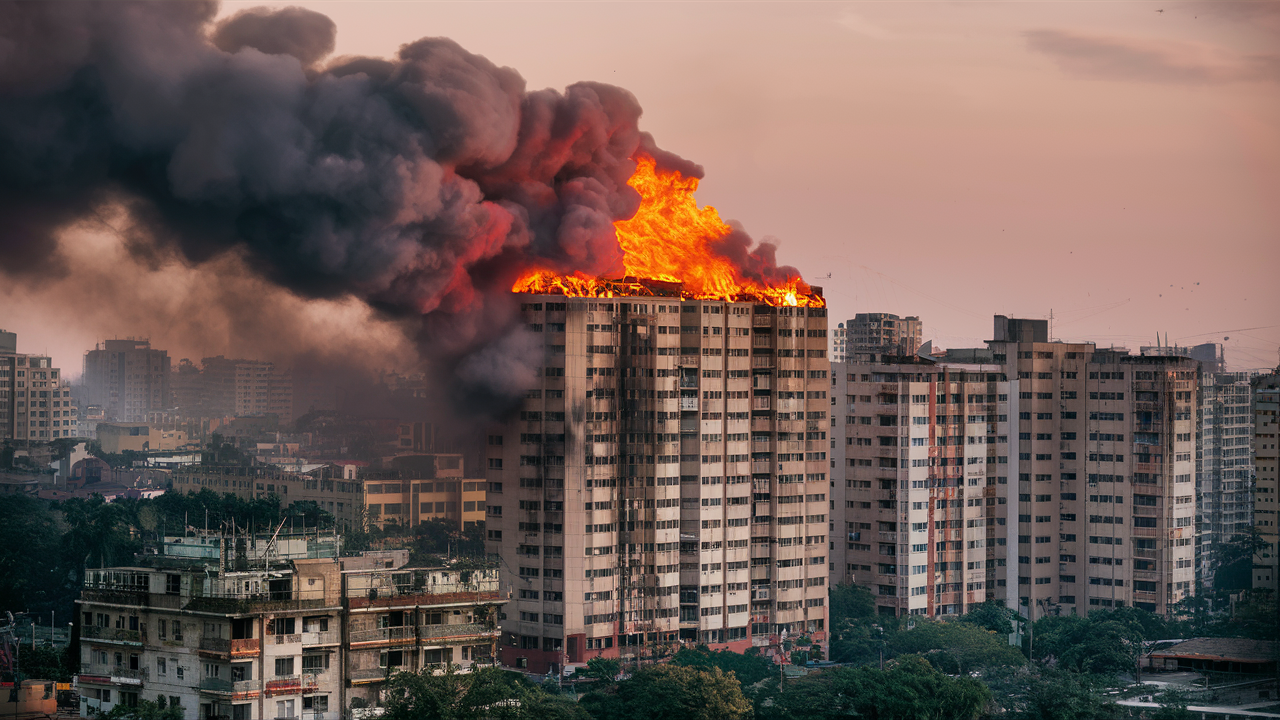
The recent wave of building fires across India has raised serious concerns about fire safety amidst extreme weather conditions. Particularly, the northwest and central regions have experienced unusually high temperatures, which experts say have contributed to the increase in fire incidents. This blog post explores the connection between extreme heat and building fires, supported by recent data and expert analysis.
Alarming Statistics and Recent Incidents
According to the Delhi Fire Services (DFS), the capital alone has seen an unprecedented number of fire-related emergencies. The DFS helpline has been receiving over 220 calls per day, a volume typically only seen on Diwali. On May 29, 2024, Delhi recorded temperatures exceeding 50 degrees Celsius, exacerbating the situation.
Recent Major Fire Incidents:
- Gujarat’s Rajkot Gaming Arena Fire
- A massive blaze at a gaming arena resulted in numerous fatalities. The establishment was found to be flouting building and safety norms.
- Delhi Newborn Hospital Fire
- A fire at a hospital for newborns in Delhi led to the tragic deaths of several infants. The hospital was also found to be non-compliant with safety regulations.
These incidents highlight a troubling trend: despite the dangers, many buildings continue to ignore critical safety measures.
The Heat-Fire Connection
Expert Insights:
R. Srinivas, a former town and country planner with the Union Ministry of Housing and Urban Affairs, attributes the rise in fire incidents to the extreme heat affecting air conditioning (AC) systems. He explains that the intense heat causes AC units to overheat and overload, leading to fires. The power demand in Delhi has breached 8,300 megawatts, the highest in the region’s history, resulting in overloaded transformers and increased fire risks.
Common Causes of Heat-Related Fires:
- Overheating AC Units
- AC units exposed to prolonged sunlight can overheat internally and externally, causing components to catch fire.
- Power Infrastructure Failures
- Overloaded transformers and transmission wires are prone to sparking and catching fire during extreme heatwaves.
- Urban Heat Island Effect
- Dense urban areas with high concentrations of AC units and inadequate green spaces experience higher temperatures, increasing the risk of fires.
The Broader Impact of Extreme Heat on Fire Incidents
According to the National Crime Records Bureau (NCRB), fire incidents have been a significant cause of accidental deaths in India. In 2022, there were 7,566 fire accidents, resulting in 7,435 deaths. Residential buildings accounted for more than half of these fatalities.
Key Data from 2022:
- Delhi:
- 77 people killed in 69 fire accidents.
- Gujarat:
- 328 fatalities.
- Odisha:
- The highest number of fatalities, with 1,219 deaths.
- Madhya Pradesh and Maharashtra:
- 839 and 778 deaths, respectively.
The NCRB data underscores the urgent need for improved fire safety regulations and infrastructure to prevent such tragedies.
Solutions and Preventive Measures
To address the crisis, R. Srinivas emphasizes the importance of urban planning and infrastructure improvements:
- Enhancing Building Safety Norms
- Strict enforcement of building codes and safety regulations is crucial. Emergency exits, fire-resistant materials, and adequate evacuation routes must be mandatory.
- Improving Power Infrastructure
- Upgrading the power grid to handle increased loads during heatwaves can prevent transformer failures and reduce fire risks.
- Promoting Green Infrastructure
- Restoring waterbodies and increasing tree cover can mitigate the urban heat island effect. Cities should prioritize blue-green infrastructure to lower ambient temperatures.
- Public Awareness and Community Involvement
- Residents’ welfare associations should lead tree plantation drives and fire safety awareness campaigns. Public education on fire prevention and emergency response is vital.
Conclusion
The recent surge in building fires in India is a stark reminder of the interplay between extreme weather and urban vulnerabilities. As temperatures continue to rise, it is imperative to implement robust fire safety measures and urban planning strategies. By enhancing infrastructure, enforcing regulations, and fostering community involvement, we can mitigate the risks and protect lives.
Stay informed. Stay prepared. Together, let’s learn how to survive.
Common unsafe practices
- Relying on equipment without a hazard assessment
- Blocking or compromising escape routes
- Delaying the alarm or emergency call
- Attempting a response beyond training or safe conditions
- Re-entering before authorised clearance
- Treating a checklist as a substitute for competent inspection