
Lessons Learned from the Takshashila Fire: A Case Study
What needs attention
- The article topic must be linked to the actual occupancy and hazard
- Prevention and early warning provide more safety margin than last-second intervention
- Equipment is effective only when correctly selected, accessible and maintained
- People need short practised actions and a clear decision to stop and escape
- Children, visitors and people needing assistance require explicit planning
- Records, drills and inspections matter only when defects are corrected
Controls that reduce risk
- Complete a task- and site-specific hazard assessment
- Verify applicable Indian, state and local requirements
- Use competent inspection for installed systems and specialist hazards
- Keep alarms, exits, signs and emergency access usable
- Train intended users and practise evacuation
- Record defects with an owner and completion date
- Review the plan after changes, incidents or near misses
Understand and apply the guidance
The Takshashila fire in Surat was a tragic event that underscored the importance of emergency preparedness and fire safety. By examining this incident, we can identify critical lessons and best practices to prevent similar tragedies in the future.
Introduction
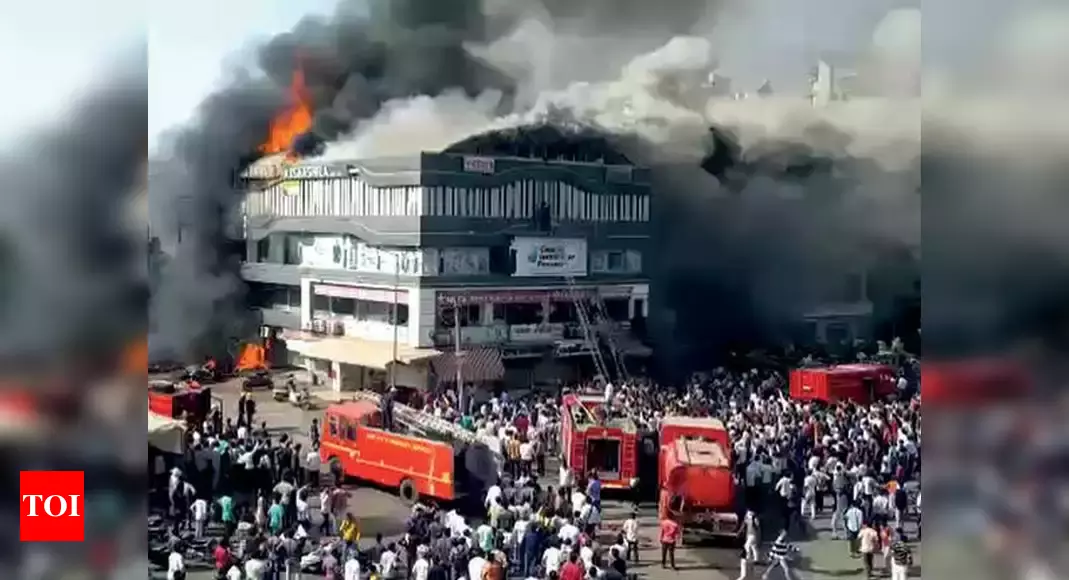
On May 24, 2019, a devastating fire broke out at the Takshashila Arcade in Surat, India, claiming the lives of 21 young students. This tragedy highlighted several significant lapses in fire safety and emergency preparedness. In this case study, we will analyze the incident to understand what went wrong and how similar tragedies can be prevented.
The Incident
The fire started on the second floor of the commercial building, which housed a coaching center. The flames quickly spread due to highly flammable materials, such as wooden partitions and banners. Many students were trapped on the top floor, unable to escape due to a lack of proper evacuation routes.
Key Failures
- Lack of Fire Safety Equipment
- The building was not equipped with functional fire alarms, extinguishers, or sprinkler systems.
- Lesson: Ensuring that all buildings, especially those housing large groups of people, are equipped with adequate fire safety measures is crucial.
- Poor Building Design and Maintenance
- The building’s design did not include sufficient emergency exits or stairwells.
- Flammable materials were used extensively in the construction.
- Lesson: Adhering to fire safety regulations in building design and using non-flammable materials can significantly reduce fire risks.
- Inadequate Emergency Response
- Delays in the arrival of fire engines and rescue teams compounded the disaster.
- Lack of trained personnel to manage the evacuation.
- Lesson: Efficient emergency response systems and regular fire drills can save lives during critical situations.
Lessons Learned
- Importance of Fire Safety Audits
- Regular fire safety audits can identify potential hazards and ensure compliance with safety standards.
- Action: Implement mandatory fire safety audits for all commercial buildings and educational institutions.
- Effective Emergency Planning and Drills
- Conducting regular fire drills prepares occupants for emergencies and ensures they know how to evacuate safely.
- Action: Develop and practice emergency evacuation plans regularly.
- Strict Enforcement of Building Codes
- Enforcing strict building codes and regulations, especially concerning fire safety, is essential.
- Action: Authorities must ensure compliance with building codes and penalize violations.
- Public Awareness and Education
- Educating the public about fire safety and emergency preparedness can help prevent tragedies.
- Action: Launch public awareness campaigns and integrate fire safety education into school curriculums.
- Adequate Fire Safety Equipment
- Ensuring that buildings are equipped with functional fire alarms, extinguishers, and sprinklers can prevent fires from spreading.
- Action: Make it mandatory for all buildings to have essential fire safety equipment and conduct regular checks.
Conclusion
The Takshashila fire was a heartbreaking reminder of the importance of fire safety and emergency preparedness. By learning from this tragedy, we can implement changes to prevent similar incidents in the future. Regular safety audits, effective emergency planning, strict building code enforcement, and public education are key to building safer communities.

Common unsafe practices
- Relying on equipment without a hazard assessment
- Blocking or compromising escape routes
- Delaying the alarm or emergency call
- Attempting a response beyond training or safe conditions
- Re-entering before authorised clearance
- Treating a checklist as a substitute for competent inspection