
Mastering Fire Safety in the Kitchen: 7 Essential Guidelines
What needs attention
- The article topic must be linked to the actual occupancy and hazard
- Prevention and early warning provide more safety margin than last-second intervention
- Equipment is effective only when correctly selected, accessible and maintained
- People need short practised actions and a clear decision to stop and escape
- Children, visitors and people needing assistance require explicit planning
- Records, drills and inspections matter only when defects are corrected
Controls that reduce risk
- Complete a task- and site-specific hazard assessment
- Verify applicable Indian, state and local requirements
- Use competent inspection for installed systems and specialist hazards
- Keep alarms, exits, signs and emergency access usable
- Train intended users and practise evacuation
- Record defects with an owner and completion date
- Review the plan after changes, incidents or near misses
Understand and apply the guidance
Introduction
The kitchen is often referred to as the heart of the home, but it’s also a hotspot for potential fire hazards. The combination of heat, open flames, cooking oils, and electrical appliances makes the kitchen one of the most common places for fires to start. To ensure the safety of your home and loved ones, it’s crucial to be well-versed in fire safety practices specific to the kitchen. In this article, we’ll explore seven essential guidelines to help you master fire safety in the kitchen and prevent potential disasters.
- Never Leave Cooking Unattended
- One of the leading causes of kitchen fires is leaving cooking unattended. Whether you’re frying, boiling, grilling, or baking, always stay present in the kitchen while cooking. If you need to step away, turn off the stove or oven. Even a momentary distraction can lead to a fire starting and escalating quickly.
- Keep Flammable Items Away
- Flammable materials like kitchen towels, paper towels, oven mitts, and pot holders should be kept away from the stove and other heat sources. Ensure that these items are stored in a safe location, away from open flames and hot surfaces. A simple rule to remember is to maintain a “clear zone” around your cooking area.
- Watch Your Cooking Oil
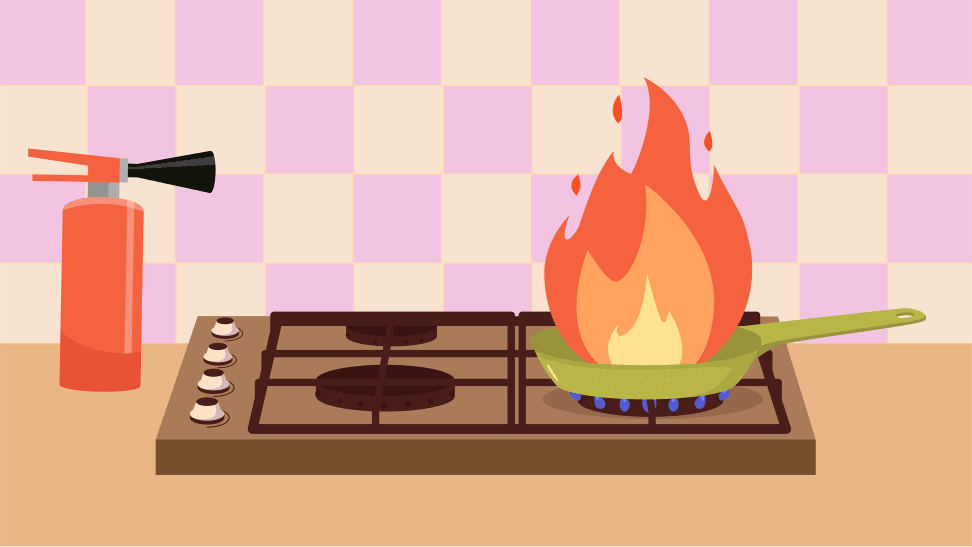
- Cooking oils, especially those with low smoke points like olive oil, can ignite at high temperatures. If you’re deep frying or pan-frying, use a thermometer to monitor the oil’s temperature and avoid overheating. Never add water to hot oil, as it can cause splattering and lead to a fire. In case of a grease fire, use a metal lid or a fire extinguisher specifically designed for kitchen fires to smother the flames.
- Use Appliances Safely
Electrical appliances are common in the kitchen, but they can also pose fire risks. Follow these tips:- Plug appliances directly into outlets rather than using extension cords.
- Unplug small appliances when they’re not in use.
- Regularly inspect cords for fraying or damage and replace them if needed.
- Install Smoke Alarms
- Install smoke alarms in or near your kitchen to provide early detection of potential fires. However, place the alarms at a safe distance from cooking areas to prevent false alarms triggered by cooking fumes. Test smoke alarms monthly and change their batteries at least once a year to ensure they’re functioning properly.
- Have a Fire Extinguisher Ready
- Keep a fire extinguisher in the kitchen, easily accessible in case of an emergency. Look for an extinguisher that’s suitable for kitchen fires (Class K) and learn how to use it effectively. Remember the “PASS” technique: Pull, Aim, Squeeze, and Sweep.
- Teach Proper Use of Microwave Ovens
Microwave ovens are convenient, but they can also pose risks if used improperly:- Avoid using metal containers or utensils in the microwave, as they can cause sparks and fires.
- Use microwave-safe containers that are labeled as such.
- Supervise children when using the microwave to prevent accidents.
Conclusion
Mastering fire safety in the kitchen is a responsibility that can’t be ignored. By following these seven essential guidelines, you can significantly reduce the risk of kitchen fires and create a safer environment for you and your family. Remember that prevention is key; a few extra moments of caution can prevent a potential disaster. Fire safety in the kitchen is not just about knowing the rules; it’s about integrating safe practices into your cooking routine and making them second nature. With a combination of awareness, preparation, and diligence, you can ensure that your kitchen remains a place of warmth and nourishment rather than a source of danger.
Common unsafe practices
- Relying on equipment without a hazard assessment
- Blocking or compromising escape routes
- Delaying the alarm or emergency call
- Attempting a response beyond training or safe conditions
- Re-entering before authorised clearance
- Treating a checklist as a substitute for competent inspection