
Navigating Emergency Situations: A Guide to Effective Evacuation Procedures
What needs attention
- The article topic must be linked to the actual occupancy and hazard
- Prevention and early warning provide more safety margin than last-second intervention
- Equipment is effective only when correctly selected, accessible and maintained
- People need short practised actions and a clear decision to stop and escape
- Children, visitors and people needing assistance require explicit planning
- Records, drills and inspections matter only when defects are corrected
Controls that reduce risk
- Complete a task- and site-specific hazard assessment
- Verify applicable Indian, state and local requirements
- Use competent inspection for installed systems and specialist hazards
- Keep alarms, exits, signs and emergency access usable
- Train intended users and practise evacuation
- Record defects with an owner and completion date
- Review the plan after changes, incidents or near misses
Understand and apply the guidance
Introduction
Emergencies can strike at any moment, from natural disasters to industrial accidents, requiring swift and organized responses. Evacuation procedures are critical in ensuring the safety of individuals in such situations. Whether it’s a fire, a hazardous material leak, or a severe weather event, having a well-defined evacuation plan can mean the difference between chaos and a smooth, orderly exit. In this article, we’ll delve into the key components of effective evacuation procedures, why they are important, and how to create and implement them.
The Importance of Effective Evacuation Procedures
Evacuation procedures are essential for several reasons:
- Safety: The primary goal of an evacuation procedure is to ensure the safety of individuals in a potentially dangerous situation. An organized and practiced evacuation plan can prevent injuries and save lives.
- Orderly Exit: In emergencies, panic can lead to chaos. Having a clear evacuation plan ensures an orderly exit, reducing the risk of injuries and confusion.
- Accountability: Evacuation procedures include protocols for accounting for everyone present in the affected area. This helps ensure that no one is left behind.
- Efficient Response: Well-defined procedures allow emergency responders to focus on the situation at hand rather than managing the evacuation process.
- Reduced Liability: Organizations that prioritize safety by implementing effective evacuation procedures can mitigate legal and financial risks.
Key Components of Effective Evacuation Procedures
- Preparation and Planning: Effective evacuation procedures start with comprehensive planning. Identify potential hazards and risks specific to your location or organization. Consider factors like the layout of the area, the number of people present, and any unique challenges.
- Clear Communication: Communication is crucial during emergencies. Establish clear communication channels, including alerts, public address systems, and instructions to follow.
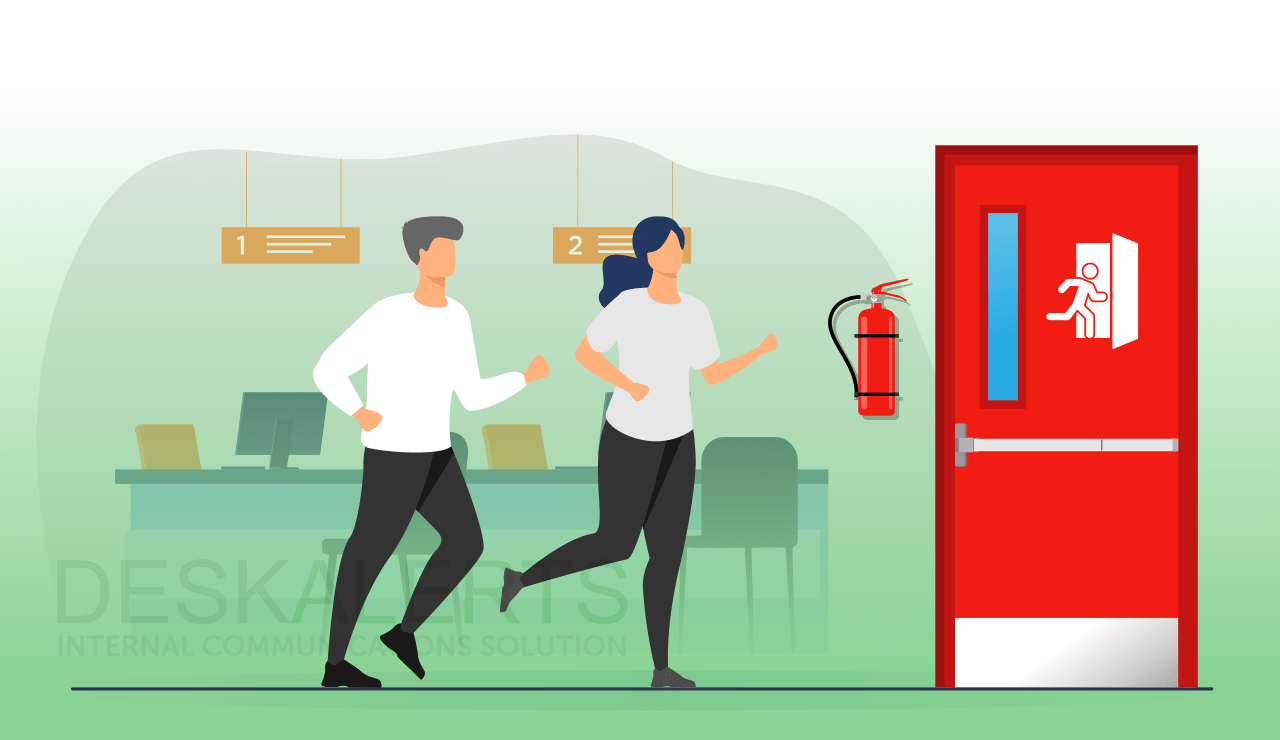
- Emergency Exit Routes: Designate primary and secondary exit routes for each area. Ensure that exit routes are clearly marked and well-lit, and that obstacles are minimized.
- Assembly Points: Identify safe assembly points where evacuees can gather after leaving the building or area. These points should be at a safe distance from the danger zone.
- Emergency Contacts: Provide a list of emergency contacts, including local authorities, medical facilities, and points of contact within your organization.
- Accountability Procedures: Outline how individuals will be accounted for during and after the evacuation. Designate roles for ensuring that everyone is present and safe.
- Special Needs Consideration: Take into account the needs of individuals with disabilities or mobility challenges. Ensure that evacuation procedures are accessible to everyone.
- Regular Drills: Practice is key to effective execution. Conduct regular evacuation drills to familiarize individuals with the procedures and improve their response times.
Steps to Create and Implement Effective Evacuation Procedures
- Risk Assessment: Identify potential hazards and assess the risks associated with your location or organization. Consider factors like the type of emergency and the number of people present.
- Create a Plan: Develop a detailed evacuation plan that includes escape routes, assembly points, communication protocols, and accountability procedures.
- Assign Roles: Designate roles and responsibilities for key personnel, such as evacuation coordinators and communication liaisons.
- Communicate: Ensure that all individuals are aware of the evacuation procedures. Regularly communicate the plan through training sessions, workshops, and informational materials.
- Practice Drills: Conduct evacuation drills regularly. Vary the scenarios to test the effectiveness of the plan in different situations.
- Gather Feedback: Encourage feedback from participants after each drill. Use this feedback to make improvements to the evacuation procedures.
- Update the Plan: Periodically review and update the evacuation plan to account for changes in personnel, layout, or potential hazards.
Final Thoughts
Emergencies can be unpredictable, but your response doesn’t have to be. Effective evacuation procedures are essential for maintaining safety, order, and peace of mind in potentially hazardous situations. By preparing, planning, and practicing, you’re ensuring that individuals are well-prepared to respond calmly and effectively when faced with an emergency. Evacuation procedures are a testament to an organization’s commitment to the safety and well-being of its members, and they provide the foundation for a coordinated response that can save lives and protect property.
Common unsafe practices
- Relying on equipment without a hazard assessment
- Blocking or compromising escape routes
- Delaying the alarm or emergency call
- Attempting a response beyond training or safe conditions
- Re-entering before authorised clearance
- Treating a checklist as a substitute for competent inspection