
Preparing for Natural Disasters: What You Need to Know
What needs attention
- The article topic must be linked to the actual occupancy and hazard
- Prevention and early warning provide more safety margin than last-second intervention
- Equipment is effective only when correctly selected, accessible and maintained
- People need short practised actions and a clear decision to stop and escape
- Children, visitors and people needing assistance require explicit planning
- Records, drills and inspections matter only when defects are corrected
Controls that reduce risk
- Complete a task- and site-specific hazard assessment
- Verify applicable Indian, state and local requirements
- Use competent inspection for installed systems and specialist hazards
- Keep alarms, exits, signs and emergency access usable
- Train intended users and practise evacuation
- Record defects with an owner and completion date
- Review the plan after changes, incidents or near misses
Understand and apply the guidance
Natural disasters can strike without warning, causing widespread devastation and disruption. Whether it’s an earthquake, hurricane, flood, or wildfire, being prepared can make a significant difference in how you and your family cope during and after the event. At HowToSurvive.in, we are dedicated to providing the information you need to stay safe in any emergency. Here’s a comprehensive guide on how to prepare for natural disasters.
1. Understand the Risks in Your Area
The first step in disaster preparedness is understanding the specific risks in your region. Different areas are prone to different types of natural disasters. Research the most likely events in your locality, such as:
- Earthquakes: Common in seismically active regions.
- Hurricanes: Affect coastal areas primarily.
- Floods: Can occur near rivers, lakes, and in low-lying areas.
- Wildfires: Common in dry, forested areas.
2. Create an Emergency Plan
Having a well-thought-out emergency plan is crucial. Your plan should include:
- Communication: Establish how you will contact each other if separated. Choose an out-of-town contact person everyone can call to check-in.
- Evacuation Routes: Identify multiple routes out of your neighbourhood and know where emergency shelters are located.
- Meeting Points: Designate safe locations both in and out of your immediate area where your family can meet.
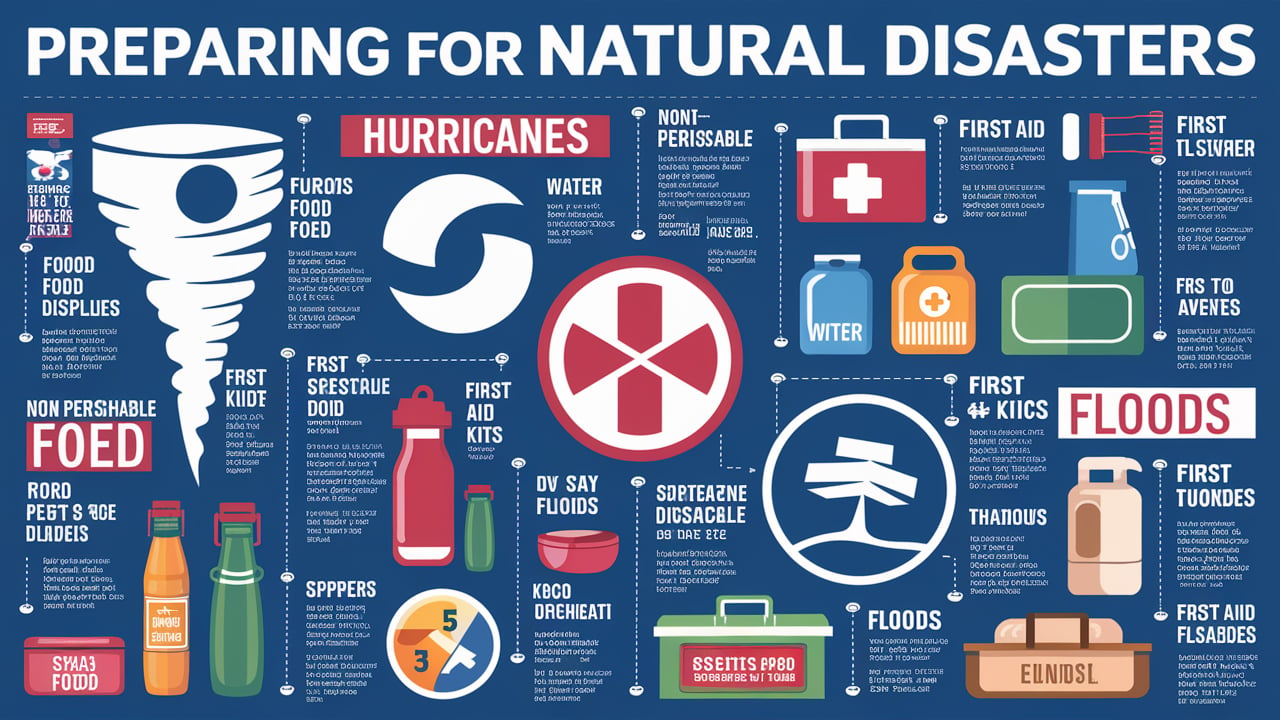
3. Build an Emergency Kit
An emergency kit should contain essential supplies to last at least 72 hours. Key items include:
- Water: One gallon per person per day.
- Non-perishable Food: Enough for several days.
- First Aid Kit: Include medications, bandages, antiseptics, and any necessary prescription medications.
- Tools and Supplies: Flashlight, batteries, multipurpose tool, local maps, and a whistle.
- Personal Items: Copies of important documents, cash, clothing, and hygiene products.
- Special Needs: Items for infants, pets, or anyone with specific health needs.
4. Stay Informed
During a disaster, access to reliable information is crucial. Keep a battery-powered or hand-crank radio to receive updates if power and internet are unavailable. Sign up for local emergency alerts and know the warning signs of various natural disasters.
5. Protect Your Property
Minimize damage to your home by taking preventive measures:

- Earthquakes: Secure heavy furniture, appliances, and water heaters to walls. Install latches on cabinets.
- Hurricanes: Install storm shutters, reinforce your roof, and secure outdoor objects.
- Floods: Elevate utilities and appliances, install sump pumps, and use sandbags to block water.
- Wildfires: Create a defensible space around your home by clearing flammable vegetation and storing firewood away from the house.
6. Practice Your Plan
Conduct regular drills with your family to ensure everyone knows what to do and where to go during an emergency. Familiarity with the plan can reduce panic and ensure a quick and efficient response.
Conclusion
Preparedness is a vital component of survival during natural disasters. By taking the steps outlined above, you can significantly increase your chances of staying safe and minimizing the impact of these events on your life. Visit our Data Repository for detailed information and our Blogs and Case Study for practical demonstrations on emergency preparedness.
Stay informed. Stay prepared. Together, let’s learn how to survive.
Common unsafe practices
- Relying on equipment without a hazard assessment
- Blocking or compromising escape routes
- Delaying the alarm or emergency call
- Attempting a response beyond training or safe conditions
- Re-entering before authorised clearance
- Treating a checklist as a substitute for competent inspection