
Rising Forest Fires in India: An Alarming Cause for Concern
What needs attention
- The article topic must be linked to the actual occupancy and hazard
- Prevention and early warning provide more safety margin than last-second intervention
- Equipment is effective only when correctly selected, accessible and maintained
- People need short practised actions and a clear decision to stop and escape
- Children, visitors and people needing assistance require explicit planning
- Records, drills and inspections matter only when defects are corrected
Controls that reduce risk
- Complete a task- and site-specific hazard assessment
- Verify applicable Indian, state and local requirements
- Use competent inspection for installed systems and specialist hazards
- Keep alarms, exits, signs and emergency access usable
- Train intended users and practise evacuation
- Record defects with an owner and completion date
- Review the plan after changes, incidents or near misses
Understand and apply the guidance
Rising Forest Fires in India: An Alarming Cause for Concern
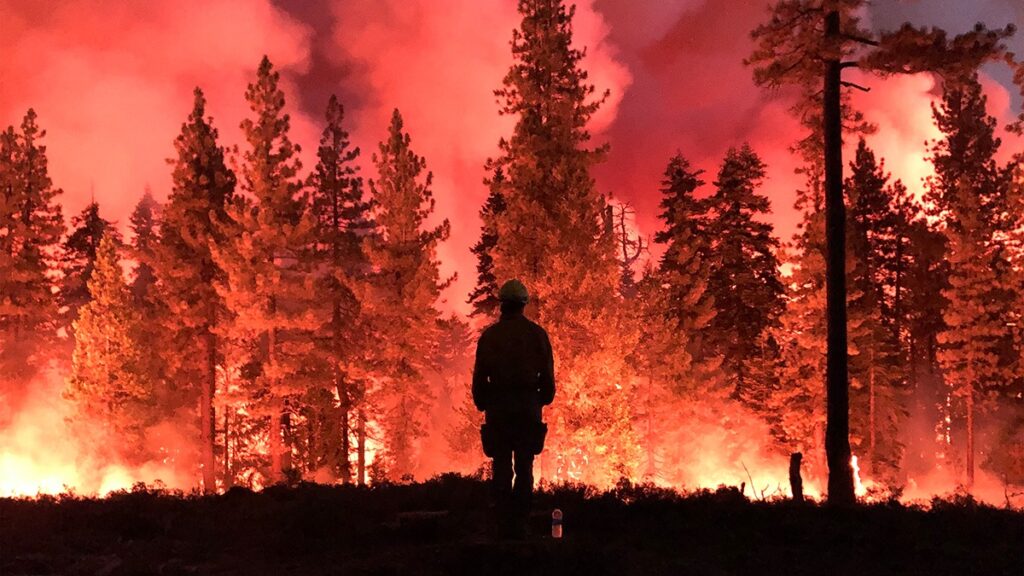
Forest fires have long been a natural and recurring phenomenon in many parts of the world. However, the increasing frequency and intensity of these fires in recent years, especially in India, have raised serious concerns for environmental sustainability, public health, and safety.
The Growing Threat of Forest Fires in India
In January 2025 alone, the Pune Fire Department reported 54 cases of forest fires—a significant figure that underscores a troubling trend. These fires have been primarily triggered by dry weather conditions combined with human factors such as negligence and accidental ignitions.
The dry spell during winter months, coupled with erratic weather patterns influenced by climate change, creates an ideal environment for forest fires to start and spread rapidly. These fires not only destroy vast areas of precious forest cover but also threaten biodiversity, displace wildlife, and cause air pollution that impacts nearby communities.
Why Forest Fires Are a Serious Concern
- Environmental Impact: Forests act as the lungs of the planet, absorbing carbon dioxide and releasing oxygen. Large-scale fires destroy these vital ecosystems, exacerbate climate change by releasing stored carbon, and slow down reforestation efforts.
- Biodiversity Loss: Many species depend on forests for their habitat. Fires can decimate populations of endangered plants and animals, pushing some closer to extinction.
- Public Health Risks: The smoke and particulate matter from forest fires contribute to poor air quality, increasing respiratory illnesses and other health issues, especially in vulnerable populations such as children and the elderly.
- Economic and Social Consequences: Forest fires can disrupt local livelihoods dependent on forest resources, cause damage to property, and strain emergency response systems.
Data Spotlight: January 2025 Fire Incidents
The 54 forest fire cases recorded in Pune in January 2025 represent just one region’s challenge, but similar patterns are emerging across various forested areas in India. This figure highlights the urgent need for increased vigilance, better forest management, and public awareness to curb the rise of such destructive incidents.
What Can Be Done?
- Improved Fire Monitoring: Using technology such as satellite imagery, drones, and AI to detect fires early and coordinate rapid response.
- Community Engagement: Educating local communities, especially those living adjacent to forests, on fire prevention and the risks associated with careless behavior.
- Strengthening Forest Management: Implementing controlled burns, clearing dry underbrush, and creating firebreaks to reduce fuel load.
- Policy and Enforcement: Enacting stricter regulations against activities that can lead to forest fires and ensuring penalties for violations.
Conclusion
The increasing incidence of forest fires in India is a stark reminder of the delicate balance between nature and human activity. January 2025’s data should serve as a wake-up call for policymakers, communities, and individuals alike to work collectively towards protecting our forests.
Preserving these natural ecosystems is not only crucial for biodiversity and climate stability but also for the health and well-being of millions who rely on them. By acting decisively today, we can mitigate the threats posed by forest fires and safeguard our environment for future generations.

Common unsafe practices
- Relying on equipment without a hazard assessment
- Blocking or compromising escape routes
- Delaying the alarm or emergency call
- Attempting a response beyond training or safe conditions
- Re-entering before authorised clearance
- Treating a checklist as a substitute for competent inspection