
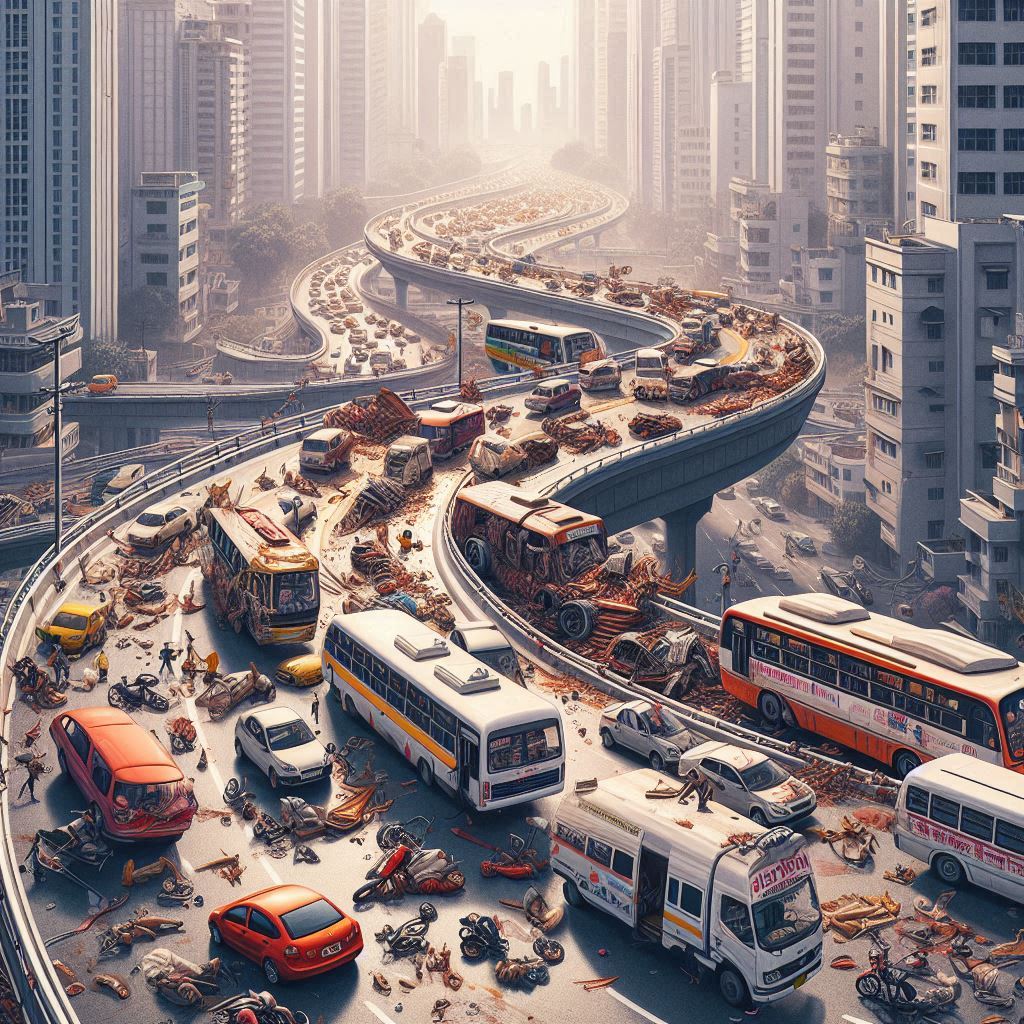
Road Accidents, Deaths, and Safety Precautions in India Since Independence
What needs attention
- The article topic must be linked to the actual occupancy and hazard
- Prevention and early warning provide more safety margin than last-second intervention
- Equipment is effective only when correctly selected, accessible and maintained
- People need short practised actions and a clear decision to stop and escape
- Children, visitors and people needing assistance require explicit planning
- Records, drills and inspections matter only when defects are corrected
Controls that reduce risk
- Complete a task- and site-specific hazard assessment
- Verify applicable Indian, state and local requirements
- Use competent inspection for installed systems and specialist hazards
- Keep alarms, exits, signs and emergency access usable
- Train intended users and practise evacuation
- Record defects with an owner and completion date
- Review the plan after changes, incidents or near misses
Understand and apply the guidance
India’s roads have seen tremendous growth and change since gaining independence in 1947. However, with this growth has come an increase in road accidents and fatalities, making road safety a critical issue.
Historical Overview
Post-Independence Era: 1947-1980 In the early years after independence, India’s road infrastructure was minimal, with limited vehicles and traffic. As the economy started to grow, so did the number of vehicles on the road. By the 1970s, road accidents began to rise sharply due to increased urbanization and industrialization.
1980s to 2000s The liberalization of the Indian economy in the 1990s led to a boom in vehicle ownership. By the 1990s, vehicle numbers surged from 5 million in 1981 to nearly 50 million by 2000. With more people able to afford cars and two-wheelers, the roads became more congested. Unfortunately, this period also saw a significant increase in road accidents and fatalities due to inadequate road infrastructure, poor enforcement of traffic laws, and lack of safety awareness.
2000s to Present In recent years, India has made significant strides in improving road infrastructure with the construction of highways, expressways, and better urban roads. Despite these advancements, road accidents remain a major concern. According to the Ministry of Road Transport and Highways, over 150,000 people die in road accidents in India every year, making it one of the highest in the world. In 2019 alone, there were 449,002 reported road accidents, leading to 151,113 deaths and 451,361 injuries.
Causes of Road Accidents
- Over-Speeding
- Over-speeding is one of the leading causes of road accidents in India, accounting for about 70% of total accidents according to a 2018 report.
- Drunk Driving
- Drunk driving contributes to roughly 6% of road accidents in India.
- Distracted Driving
- Use of mobile phones while driving has become a growing concern, leading to approximately 4,000 accidents annually.
- Poor Road Conditions
- Poorly maintained roads and infrastructure contribute to around 10% of road accidents.
- Non-Adherence to Traffic Rules
- Violations such as ignoring traffic signals and not wearing seat belts or helmets contribute significantly to the high number of accidents.
- Inadequate Vehicle Maintenance
- Poorly maintained vehicles are responsible for around 5% of road accidents.
Impact on Society
Road accidents have a profound impact on Indian society. The loss of life and injuries result in emotional trauma for families and communities. Economically, the country faces a significant burden due to medical costs, loss of productivity, and damage to infrastructure. The annual economic loss due to road accidents in India is estimated to be around 3% of the GDP, equating to roughly $58 billion.
Government Reports and Initiatives
The Indian government has recognized the severity of road accidents and has taken several measures to address this issue. Some key reports and initiatives include:
- Annual Report on Road Accidents (Ministry of Road Transport and Highways)
- This report provides comprehensive data on road accidents, including causes, fatalities, and injuries. The 2019 report highlighted that over 60% of road accident victims were in the age group of 18-45 years, emphasizing the impact on the productive workforce.
- National Road Safety Policy (2010)
- This policy outlines the government’s commitment to improving road safety. It includes measures such as promoting awareness, improving road infrastructure, and enforcing traffic laws.
- Motor Vehicles (Amendment) Act, 2019
- This amendment introduced stricter penalties for traffic violations, increased fines, and measures to improve road safety. For instance, fines for driving without a license were increased from ₹500 to ₹5,000.
- The National Road Safety Council (NRSC)
- The NRSC advises the government on road safety measures and policies. It also monitors the implementation of the National Road Safety Policy.
- Highway Safety Patrol (HSP)
- Implemented in various states, HSP focuses on patrolling highways to enforce traffic laws, provide immediate assistance during accidents, and promote safe driving practices.
- National Highway Accident Relief Service Scheme (NHARSS)
- This scheme aims to provide immediate relief and medical assistance to accident victims on national highways. It includes the deployment of ambulances, cranes, and other emergency services.
Safety Precautions and Measures
To combat the high incidence of road accidents, several safety measures and initiatives have been implemented:
- Stricter Traffic Laws
- The implementation of the Motor Vehicles (Amendment) Act, 2019, introduced stricter penalties for traffic violations, aiming to reduce road accidents. The Act increased fines for drunk driving from ₹2,000 to ₹10,000.
- Road Safety Awareness Campaigns
- Government and non-governmental organizations run campaigns to educate the public on road safety practices. Campaigns such as “Sadak Suraksha – Jeevan Raksha” aim to promote road safety awareness.
- Infrastructure Improvements
- Construction of better roads, highways, and expressways with proper signage, lighting, and safety barriers. Over 3,000 km of national highways have been constructed annually in recent years.
- Emergency Services
- Improved access to emergency medical services and trauma care to provide timely assistance to accident victims. The launch of the “108” emergency response service has been pivotal.
- Vehicle Safety Standards
- Enforcement of stricter safety standards for vehicles, including mandatory airbags, anti-lock braking systems (ABS), and crash tests.
- Technology Integration
- Use of technology such as speed cameras, breathalyzers, and mobile apps to monitor and enforce traffic rules. Over 1,000 speed cameras have been installed nationwide.
- Public Transportation
- Enhancing public transportation systems to reduce the number of private vehicles on the road, thereby decreasing congestion and accidents.
Conclusion
While India has made progress in road safety, there is still a long way to go. Continued efforts in improving road infrastructure, enforcing traffic laws, and raising public awareness are essential to reducing road accidents and fatalities. By prioritizing road safety, India can ensure safer roads for all its citizens, saving lives and fostering a culture of responsible driving.
Stay Safe on the Roads
Remember, road safety is a shared responsibility. Always follow traffic rules, drive responsibly, and be mindful of others on the road. Together, we can make India’s roads safer for everyone.
Common unsafe practices
- Relying on equipment without a hazard assessment
- Blocking or compromising escape routes
- Delaying the alarm or emergency call
- Attempting a response beyond training or safe conditions
- Re-entering before authorised clearance
- Treating a checklist as a substitute for competent inspection