
The Bambi Bucket: Revolutionizing Aerial Firefighting
What needs attention
- The article topic must be linked to the actual occupancy and hazard
- Prevention and early warning provide more safety margin than last-second intervention
- Equipment is effective only when correctly selected, accessible and maintained
- People need short practised actions and a clear decision to stop and escape
- Children, visitors and people needing assistance require explicit planning
- Records, drills and inspections matter only when defects are corrected
Controls that reduce risk
- Complete a task- and site-specific hazard assessment
- Verify applicable Indian, state and local requirements
- Use competent inspection for installed systems and specialist hazards
- Keep alarms, exits, signs and emergency access usable
- Train intended users and practise evacuation
- Record defects with an owner and completion date
- Review the plan after changes, incidents or near misses
Understand and apply the guidance
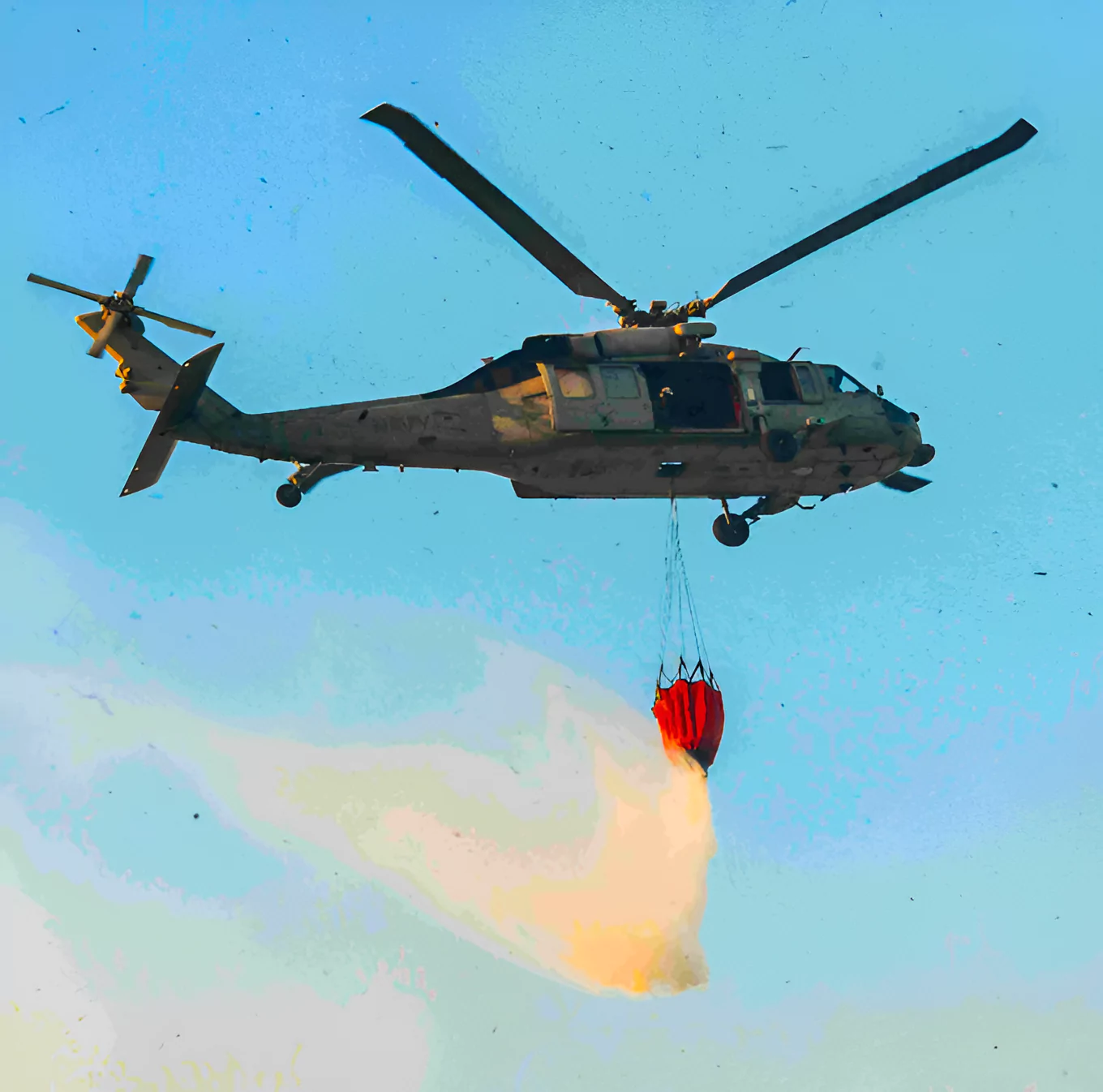
In the fight against wildfires, every tool and innovation counts. One such game-changer is the Bambi Bucket, also known as a helicopter bucket or Heli bucket. Let’s delve into what makes this specialized aerial firefighting tool so crucial and effective.
What is a Bambi Bucket?
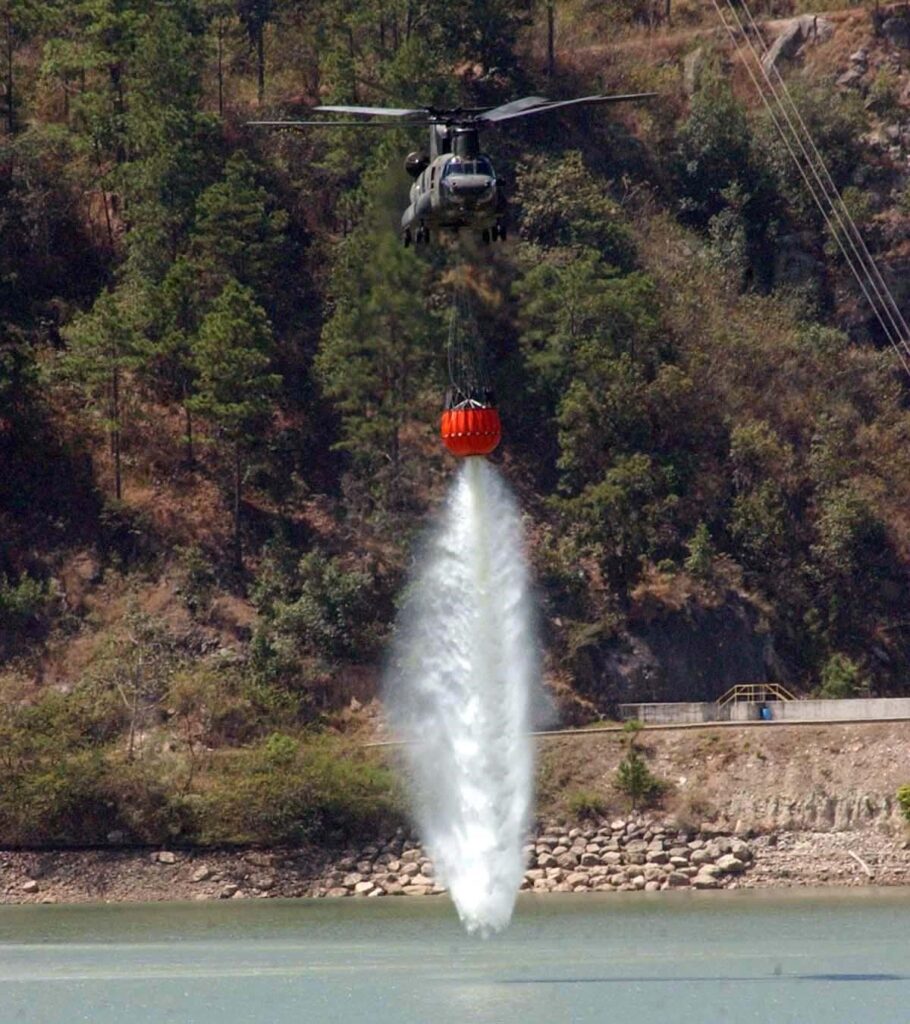
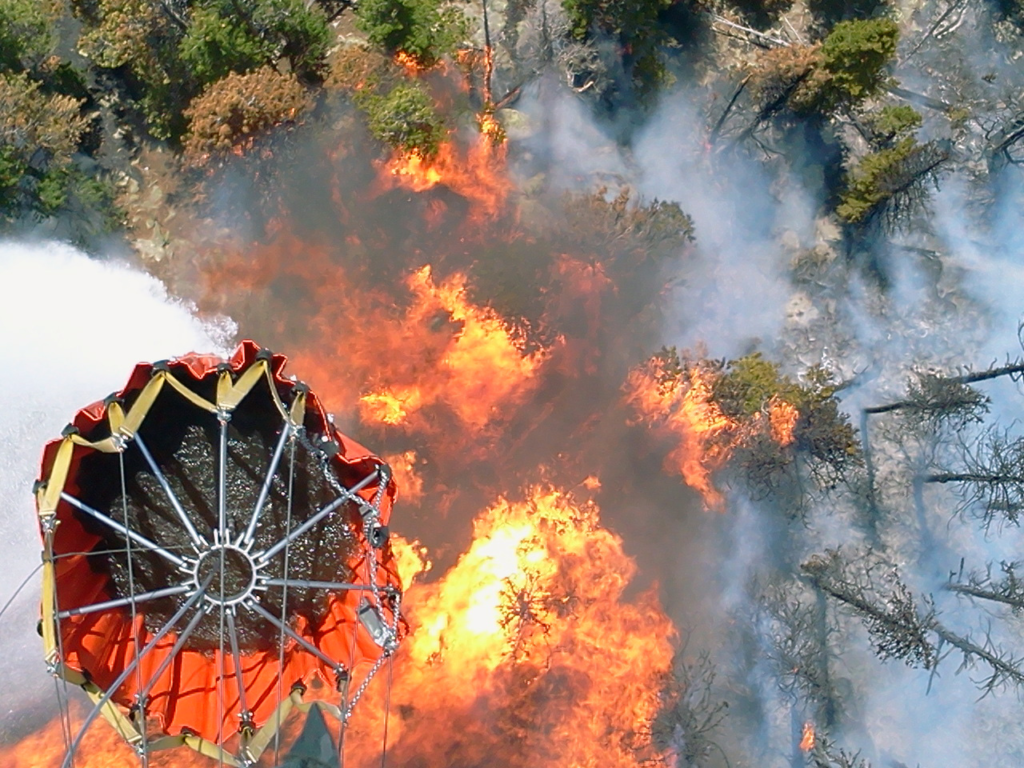
The Bambi Bucket, a staple in aerial firefighting since the 1980s, is a lightweight collapsible container designed to release water from underneath a helicopter onto targeted areas. Its key features include:
- Efficient Water Release: Equipped with a pilot-controlled valve, the Bambi Bucket allows precise water release, ensuring targeted and effective firefighting efforts.
- Quick Refill: It can be swiftly filled from various sources like lakes and swimming pools, enabling firefighters to refill and return to the fire zone promptly.
- Versatility: Available in multiple sizes and models, with capacities ranging from 270 litres to over 9,840 litres, the Bambi Bucket can adapt to different firefighting needs.
The Genesis of Bambi Bucket
The brainchild of Canadian inventor Don Arney, the Bambi Bucket came to life in 1982. Arney’s innovation was a response to the inefficiencies and high failure rates of traditional aerial firefighting water buckets. His creation revolutionized aerial firefighting by offering:
- Ease of Use: Unlike conventional rigid buckets that had to be trucked or flown in, the Bambi Bucket could be stored within the helicopter until needed, streamlining operations.
- Enhanced Effectiveness: By discharging a solid column of water, the Bambi Bucket ensured accurate water deployment, minimal evaporation during descent, and increased impact force upon release.
Advantages Over Conventional Buckets
The limitations of conventional water buckets, such as rigidity and water dispersal issues, prompted the need for the Bambi Bucket. Its advantages include:
- Storage Convenience: Can be stored within the helicopter, eliminating the need for external transportation.
- Precise Water Deployment: Releases water in a solid column, ensuring maximum impact and effectiveness.
- Global Adoption: Used in over 115 countries by more than 1,000 helicopter operators, showcasing its widespread acceptance and reliability.
Conclusion
The Bambi Bucket stands as a testament to innovation in firefighting technology. Its versatility, efficiency, and global adoption highlight its indispensable role in combating wildfires and protecting lives and ecosystems worldwide. As wildfires continue to pose challenges, tools like the Bambi Bucket remain crucial in our efforts to safeguard communities and natural landscapes.
Common unsafe practices
- Relying on equipment without a hazard assessment
- Blocking or compromising escape routes
- Delaying the alarm or emergency call
- Attempting a response beyond training or safe conditions
- Re-entering before authorised clearance
- Treating a checklist as a substitute for competent inspection