
The Crucial Role of Fire Drills: Preparing for Safety Through Practice
What needs attention
- The article topic must be linked to the actual occupancy and hazard
- Prevention and early warning provide more safety margin than last-second intervention
- Equipment is effective only when correctly selected, accessible and maintained
- People need short practised actions and a clear decision to stop and escape
- Children, visitors and people needing assistance require explicit planning
- Records, drills and inspections matter only when defects are corrected
Controls that reduce risk
- Complete a task- and site-specific hazard assessment
- Verify applicable Indian, state and local requirements
- Use competent inspection for installed systems and specialist hazards
- Keep alarms, exits, signs and emergency access usable
- Train intended users and practise evacuation
- Record defects with an owner and completion date
- Review the plan after changes, incidents or near misses
Understand and apply the guidance
Introduction
Imagine waking up in the middle of the night to the sound of a fire alarm blaring, or finding yourself in a smoke-filled room during a fire emergency. The panic and uncertainty in such situations can be paralyzing. This is where the importance of fire drills becomes evident. Fire drills are not just routine exercises; they are powerful tools that instill preparedness, confidence, and a sense of control in the face of a potentially life-threatening situation. In this article, we will delve into the significance of fire drills, their benefits, and why they should be an integral part of every safety protocol.
Understanding the Importance of Fire Drills
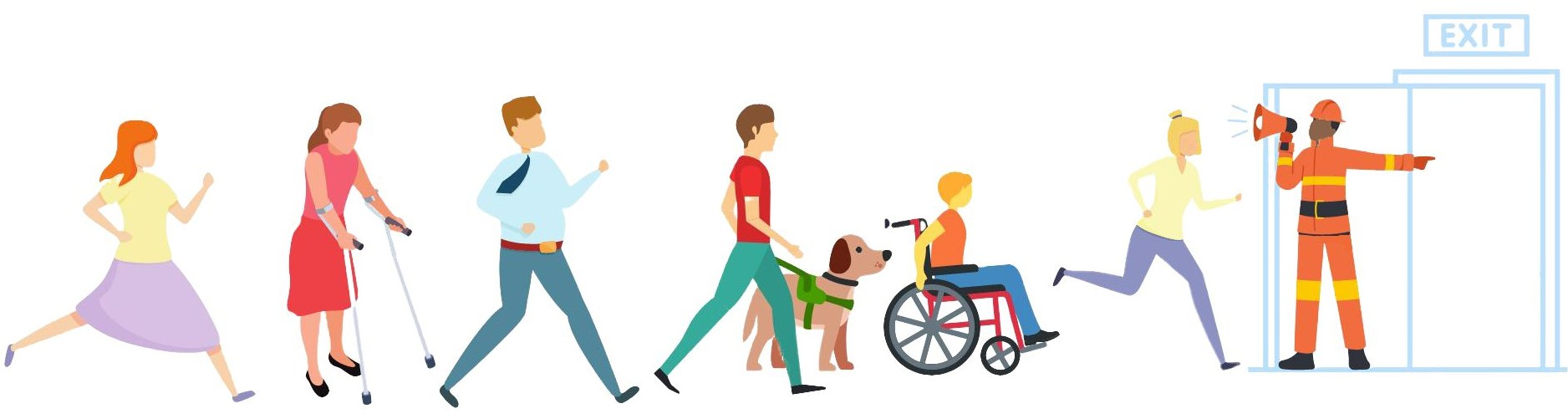
Fire drills serve a vital purpose beyond meeting regulatory requirements. They play a crucial role in ensuring that individuals are familiar with evacuation procedures, communication protocols, and the general response to emergencies. Here’s why fire drills are so important:
- Cultivating a Culture of Preparedness: Fire drills create a culture of preparedness where everyone understands the importance of safety protocols and is mentally and physically ready to respond to emergencies.
- Practice Breeds Confidence: Practicing fire drills instills a sense of confidence in individuals. They know what to do and where to go, even when panic might set in.
- Identifying Weaknesses: Fire drills reveal weaknesses in evacuation plans, communication systems, and other safety measures. These weaknesses can then be addressed and improved.
- Evaluating Response Time: Fire drills allow organizations to assess the response time of employees, students, or residents. This data can be used to refine emergency plans.
- Familiarity with Exits: Regular fire drills help individuals become familiar with the layout of the building, including various exits and alternative escape routes.
Benefits of Fire Drills
- Reduced Panic: Familiarity breeds calmness. When individuals have practiced fire drills, they are less likely to panic during a real emergency, allowing for more rational decision-making.
- Improved Coordination: Fire drills help people understand their roles and responsibilities during an emergency. This leads to better coordination and communication among individuals.
- Effective Use of Extinguishers: Fire drills provide an opportunity to educate participants about the proper use of fire extinguishers, enhancing their ability to suppress small fires.
- Building Confidence in Leadership: Designated leaders or safety wardens gain valuable experience during fire drills, enhancing their confidence and ability to manage emergencies.
- Creating Accountability: Fire drills highlight the importance of accountability. Participants understand that their actions can impact not only their safety but also the safety of others.
Elements of Effective Fire Drills
To ensure that fire drills are effective, they should include the following elements:
- Variety of Scenarios: Simulate different fire emergency scenarios to ensure that participants are prepared for a range of situations.
- Realistic Time Constraints: Introduce time constraints to mimic the urgency of a real emergency. This encourages quick decision-making and action.
- Inclusion of All Occupants: Fire drills should be inclusive, considering the needs of all individuals, including those with disabilities or special requirements.
- Feedback and Improvement: After each fire drill, gather feedback from participants. Use this information to refine evacuation plans and address any concerns.
- Regular Practice: Consistency is key. Regularly scheduled fire drills ensure that participants retain the knowledge and skills required for effective emergency response.
Implementing Fire Drills in Different Settings
Fire drills are essential in various settings, including:
- Workplaces: Employees need to be well-prepared to handle fire emergencies at their workplace. Regular fire drills can significantly improve response time and safety.
- Schools and Educational Institutions: Students and staff need to know how to respond quickly and efficiently to fires. Fire drills create a safer learning environment.
- Residential Buildings: Residents of apartments and condominiums benefit from fire drills that familiarize them with evacuation routes and emergency procedures.
- Public Spaces: Shopping malls, theaters, and other public spaces should conduct fire drills to ensure the safety of their visitors.
Conclusion
Fire drills are not just routine exercises; they are investments in safety, confidence, and effective emergency response. By participating in fire drills, individuals become empowered to face emergencies with a level head and a clear plan. Fire drills build a culture of preparedness that transcends panic and fosters quick, coordinated, and safe action. Whether at work, school, home, or in public spaces, fire drills are a critical aspect of fire safety that should never be underestimated. After all, in an emergency, knowing what to do can make all the difference.
Common unsafe practices
- Relying on equipment without a hazard assessment
- Blocking or compromising escape routes
- Delaying the alarm or emergency call
- Attempting a response beyond training or safe conditions
- Re-entering before authorised clearance
- Treating a checklist as a substitute for competent inspection