
The Fire Bucket: A Simple Yet Effective Firefighting Tool
What needs attention
- The article topic must be linked to the actual occupancy and hazard
- Prevention and early warning provide more safety margin than last-second intervention
- Equipment is effective only when correctly selected, accessible and maintained
- People need short practised actions and a clear decision to stop and escape
- Children, visitors and people needing assistance require explicit planning
- Records, drills and inspections matter only when defects are corrected
Controls that reduce risk
- Complete a task- and site-specific hazard assessment
- Verify applicable Indian, state and local requirements
- Use competent inspection for installed systems and specialist hazards
- Keep alarms, exits, signs and emergency access usable
- Train intended users and practise evacuation
- Record defects with an owner and completion date
- Review the plan after changes, incidents or near misses
Understand and apply the guidance
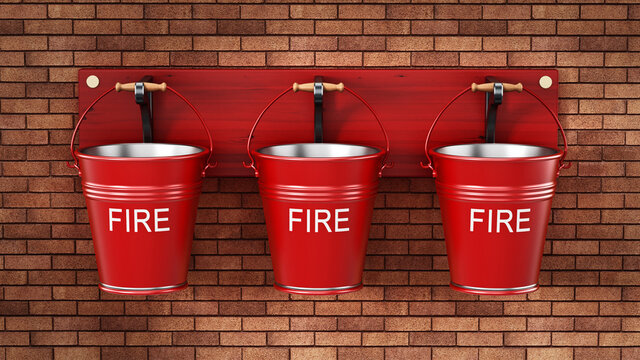
When we think of firefighting equipment, sophisticated tools like fire extinguishers, hydrants, and suppression systems often come to mind. However, one of the most basic and historically significant tools in fire safety is the humble fire bucket. Despite its simplicity, the fire bucket remains an effective and essential piece of firefighting equipment in various settings. This blog explores the history, uses, and benefits of fire buckets.
History of Fire Buckets
Fire buckets have been used for centuries as a primary means of combating fires. In medieval times, communities relied on leather buckets filled with water or sand to extinguish fires. These buckets were often kept in public places and homes for quick access during emergencies. The concept is simple: quickly douse the flames with water or smother them with sand to prevent the fire from spreading.
Types of Fire Buckets
- Water Buckets
- Material: Typically made of metal or heavy-duty plastic.
- Use: Filled with water, these buckets are used to douse flames. They are particularly effective for small fires and in settings where water is readily available.
- Sand Buckets
- Material: Often made of metal.
- Use: Filled with sand, these buckets are used to smother fires, particularly those involving flammable liquids. Sand can effectively cut off the oxygen supply to the fire.
Advantages of Fire Buckets
- Simplicity
- Fire buckets are easy to use, requiring no special training or maintenance. This makes them accessible to everyone, including children and the elderly.
- Cost-Effective
- Compared to more sophisticated firefighting equipment, fire buckets are inexpensive and affordable for households, schools, and small businesses.
- Versatility
- Fire buckets can be used for different types of fires, depending on their contents. Water buckets are suitable for ordinary combustibles, while sand buckets can tackle flammable liquid fires.
- Immediate Response
- Fire buckets can be placed strategically around a property, ensuring they are readily available in the event of a fire. This allows for a quick initial response, potentially controlling the fire before it escalates.
How to Use a Fire Bucket
- Identify the Fire Type
- Determine whether the fire is best tackled with water or sand. Use water for ordinary combustibles like wood and paper. Use sand for fires involving flammable liquids or electrical equipment.
- Fill the Bucket
- Ensure the bucket is filled with the appropriate material (water or sand) and easily accessible.
- Approach the Fire Safely
- Approach the fire from a safe distance. Avoid standing directly downwind to minimize exposure to smoke and flames.
- Apply the Contents
- For water buckets, throw the water at the base of the fire in a sweeping motion to douse the flames. For sand buckets, pour the sand over the fire to smother it and cut off the oxygen supply.
- Monitor the Fire
- After the initial application, monitor the fire to ensure it does not reignite. Be prepared to apply more water or sand if necessary.
Maintenance and Placement
- Regular Checks
- Regularly inspect fire buckets to ensure they are in good condition and filled with the appropriate material. Check for rust, cracks, or damage that could compromise their effectiveness.
- Strategic Placement
- Place fire buckets in easily accessible locations, such as near exits, in kitchens, workshops, and common areas. Ensure they are visible and not obstructed.
- Signage
- Use clear signage to indicate the location of fire buckets, especially in larger buildings or outdoor areas.
Conclusion
While modern firefighting equipment offers advanced technology and efficiency, the fire bucket remains a valuable and effective tool in fire safety. Its simplicity, cost-effectiveness, and versatility make it an essential component of any fire safety plan. By understanding how to use and maintain fire buckets, individuals and communities can enhance their preparedness and response to fire emergencies.
Common unsafe practices
- Relying on equipment without a hazard assessment
- Blocking or compromising escape routes
- Delaying the alarm or emergency call
- Attempting a response beyond training or safe conditions
- Re-entering before authorised clearance
- Treating a checklist as a substitute for competent inspection