
The Importance of Personal Protective Equipment (PPE) in the Workplace
What needs attention
- The article topic must be linked to the actual occupancy and hazard
- Prevention and early warning provide more safety margin than last-second intervention
- PPE cannot compensate for an uncontrolled hazard
- People need short practised actions and a clear decision to stop and escape
- Children, visitors and people needing assistance require explicit planning
- Records, drills and inspections matter only when defects are corrected
Controls that reduce risk
- Complete a task- and site-specific hazard assessment
- Verify applicable Indian, state and local requirements
- Use competent inspection for installed systems and specialist hazards
- Keep alarms, exits, signs and emergency access usable
- Train intended users and practise evacuation
- Record defects with an owner and completion date
- Review the plan after changes, incidents or near misses
Understand and apply the guidance
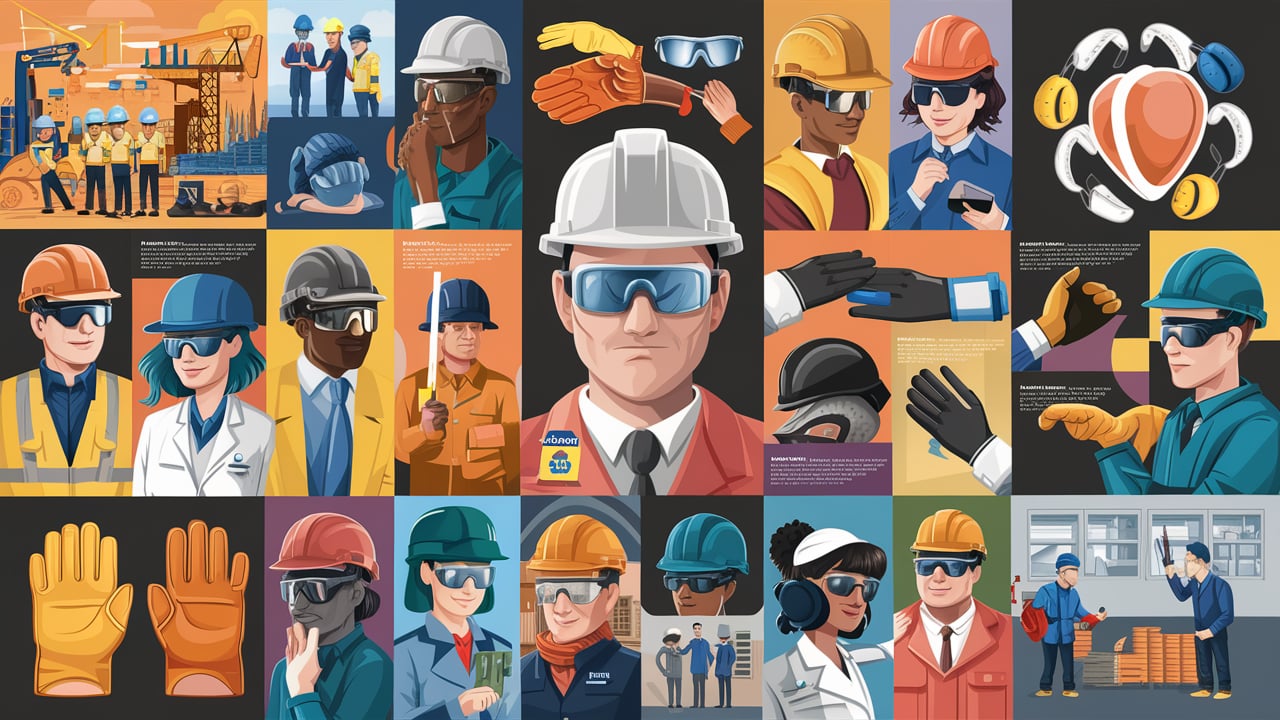
Personal Protective Equipment (PPE) is essential in ensuring the safety and health of workers across various industries. PPE includes a wide range of gear designed to protect workers from physical, chemical, biological, and radiological hazards. This blog will discuss the importance of PPE, different types of PPE, and best practices for its use in the workplace.
Why PPE is Important
- Protection from Hazards:
- PPE provides a barrier between the worker and potential hazards, reducing the risk of injury or illness.
- It is crucial in environments where hazards cannot be completely eliminated or controlled through engineering or administrative measures.
- Compliance with Regulations:
- Many countries have regulations requiring the use of PPE in certain industries and for specific tasks. Compliance ensures legal protection and avoids penalties.
- For example, the Occupational Safety and Health Administration (OSHA) in the United States mandates the use of PPE in various industries.
- Enhancing Safety Culture:
- The use of PPE promotes a culture of safety within an organization. It demonstrates a commitment to worker safety and encourages employees to take safety seriously.
- It also increases awareness of potential hazards and the importance of taking precautions.
Types of PPE
- Head Protection:
- Helmets and Hard Hats: Protect against impacts from falling objects and head injuries.
- Bump Caps: Provide protection in low-risk environments where only minor impacts are expected.
- Eye and Face Protection:
- Safety Glasses and Goggles: Protect eyes from dust, debris, chemicals, and other hazardous substances.
- Face Shields: Offer full-face protection from splashes, sparks, and flying debris.
- Hearing Protection:
- Earplugs: Protect against noise-induced hearing loss in environments with high noise levels.
- Earmuffs: Provide a higher level of hearing protection and are often used in conjunction with earplugs.
- Respiratory Protection:
- Masks and Respirators: Protect against inhalation of hazardous substances such as dust, fumes, gases, and vapors.
- Self-Contained Breathing Apparatus (SCBA): Used in environments with insufficient oxygen or high levels of toxic substances.
- Hand Protection:
- Gloves: Protect hands from chemicals, cuts, abrasions, and temperature extremes. Types include chemical-resistant, cut-resistant, and thermal gloves.
- Body Protection:
- Coveralls and Suits: Protect against chemical splashes, biological hazards, and other contaminants.
- Aprons and Vests: Provide additional protection for specific body parts, often used in conjunction with other PPE.
- Foot Protection:
- Safety Shoes and Boots: Protect feet from impacts, punctures, chemicals, and electrical hazards. Types include steel-toed, chemical-resistant, and electrical hazard boots.
- Fall Protection:
- Harnesses and Lanyards: Used in construction, maintenance, and other industries to prevent falls from heights.
- Anchorage Points: Secure the worker and prevent free falls.
Best Practices for Using PPE
- Proper Selection:
- Choose the right type of PPE for the specific hazards present in the workplace.
- Ensure that PPE fits properly and is comfortable for the wearer.
- Training and Education:
- Provide training on the correct use, maintenance, and limitations of PPE.
- Ensure that workers understand the importance of using PPE and how to use it correctly.
- Regular Inspection and Maintenance:
- Inspect PPE regularly for signs of wear, damage, or contamination.
- Replace or repair damaged PPE immediately to maintain its effectiveness.
- Encourage Consistent Use:
- Ensure that PPE is always used where required, and enforce its use through supervision and policies.
- Lead by example – management should also wear PPE to reinforce its importance.
- Hygiene and Cleanliness:
- Keep PPE clean and hygienic to prevent contamination and maintain its protective properties.
- Provide facilities for the proper storage and cleaning of PPE.
Conclusion
Personal Protective Equipment (PPE) is a vital component of workplace safety. By providing protection against various hazards, ensuring compliance with regulations, and promoting a safety culture, PPE helps to safeguard the health and well-being of workers. It is essential for employers to select the appropriate PPE, provide adequate training, and enforce consistent use to maximize its effectiveness.
Common unsafe practices
- Relying on equipment without a hazard assessment
- Blocking or compromising escape routes
- Delaying the alarm or emergency call
- Attempting a response beyond training or safe conditions
- Re-entering before authorised clearance
- Treating a checklist as a substitute for competent inspection