
The Importance of Self-Contained Breathing Apparatus (SCBA) for Firefighters
What needs attention
- The article topic must be linked to the actual occupancy and hazard
- Prevention and early warning provide more safety margin than last-second intervention
- Equipment is effective only when correctly selected, accessible and maintained
- People need short practised actions and a clear decision to stop and escape
- Children, visitors and people needing assistance require explicit planning
- Records, drills and inspections matter only when defects are corrected
Controls that reduce risk
- Complete a task- and site-specific hazard assessment
- Verify applicable Indian, state and local requirements
- Use competent inspection for installed systems and specialist hazards
- Keep alarms, exits, signs and emergency access usable
- Train intended users and practise evacuation
- Record defects with an owner and completion date
- Review the plan after changes, incidents or near misses
Understand and apply the guidance
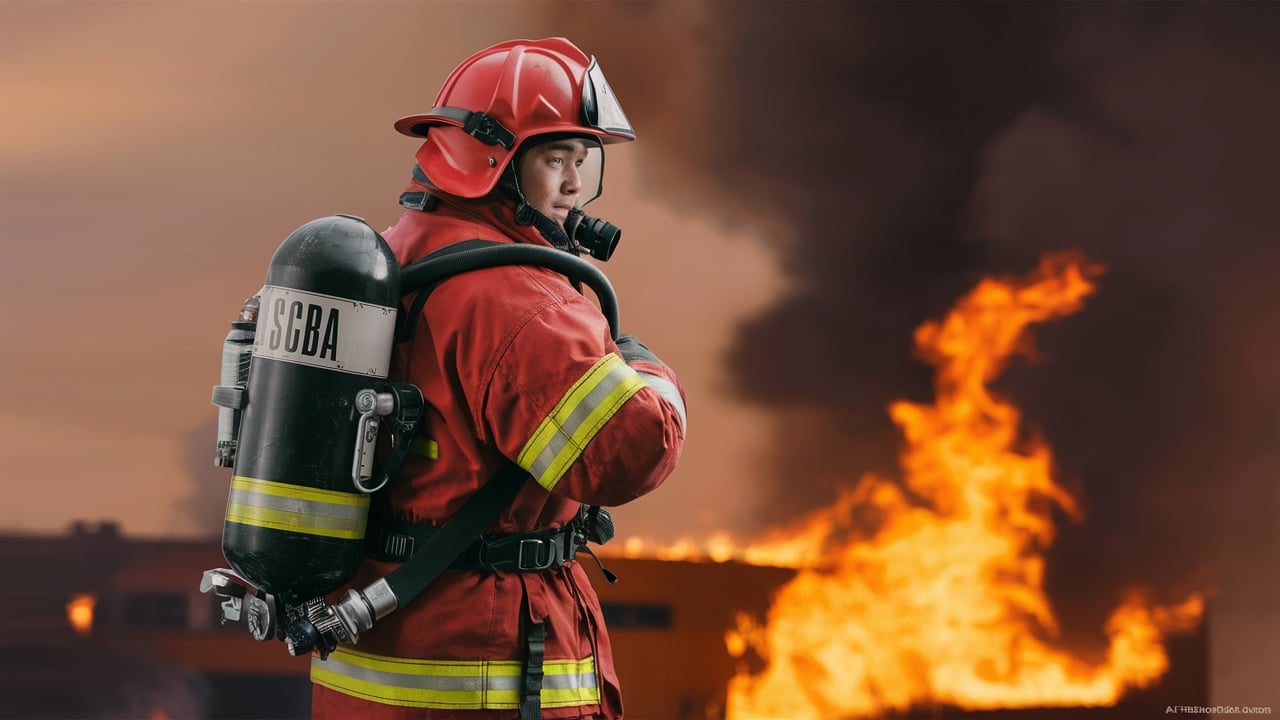
A Self-Contained Breathing Apparatus (SCBA) is a vital piece of personal protective equipment (PPE) for firefighters, enabling them to breathe safely in hazardous environments filled with smoke, toxic gases, and low oxygen levels. SCBAs are essential for ensuring the safety and effectiveness of firefighters during rescue operations, fire suppression, and hazardous material incidents.
What is an SCBA?
An SCBA is a device worn by firefighters and other emergency responders to provide breathable air in environments that are immediately dangerous to life or health (IDLH). It consists of several key components:
- Air Cylinder: Stores compressed air, typically made of aluminum or composite materials to reduce weight.
- Pressure Regulator: Reduces the high pressure of the compressed air to a usable level for breathing.
- Facepiece: A mask that provides an airtight seal around the user’s face, ensuring no contaminated air enters.
- Harness and Backplate: Holds the air cylinder and other components securely on the firefighter’s back.
- Hose and Valves: Deliver air from the cylinder to the facepiece and allow for control of airflow.
- Personal Alert Safety System (PASS): An integrated device that emits an alarm if the wearer remains motionless for a certain period, indicating potential distress.
Importance of SCBA in Firefighting
- Respiratory Protection: SCBAs provide clean, breathable air in environments with smoke, toxic fumes, and low oxygen levels, protecting firefighters from inhaling harmful substances.
- Increased Safety: By allowing firefighters to enter hazardous areas, SCBAs enhance their ability to rescue trapped individuals, control fires more effectively, and mitigate dangerous situations.
- Extended Operating Time: SCBAs enable firefighters to remain in IDLH environments longer, increasing the chances of successful rescues and fire suppression efforts.
- Versatility: SCBAs are used in various emergency situations beyond firefighting, including hazardous material incidents, confined space rescues, and chemical spills.
Proper Use and Maintenance of SCBA
- Donning the SCBA:
- Inspect the SCBA before use, checking for any signs of damage or wear.
- Don the harness and secure the backplate snugly.
- Attach the facepiece, ensuring a proper seal by conducting a negative pressure test (inhaling to check for leaks).
- Connect the air supply hose to the facepiece and open the cylinder valve to start the airflow.
- Operating the SCBA:
- Monitor air pressure levels using the gauge on the regulator or a remote gauge.
- Breathe normally, allowing the regulator to provide a steady flow of air.
- Stay aware of the remaining air supply and exit the hazardous area before depleting the cylinder.
- Removing the SCBA:
- Move to a safe, uncontaminated area before removing the SCBA.
- Close the cylinder valve and bleed off any remaining air in the system.
- Remove the facepiece, harness, and other components.
- Maintaining the SCBA:
- Clean the facepiece and other components with approved cleaning solutions after each use.
- Inspect the SCBA regularly for signs of wear, damage, or malfunctions.
- Perform routine maintenance, including checking the air cylinder pressure and testing the regulator.
- Store the SCBA in a clean, dry area away from direct sunlight and contaminants.
SCBA Training and Safety Tips
- Training: Firefighters must undergo comprehensive training to become proficient in using SCBAs. This includes donning and doffing procedures, emergency operations, and understanding the limitations of the equipment.
- Fit Testing: Regular fit testing ensures the facepiece provides a proper seal for each individual, preventing the entry of contaminated air.
- Buddy System: Firefighters should operate in pairs, with one person monitoring the other’s condition and SCBA status to ensure safety.
- Air Management: Effective air management techniques, such as regularly checking air supply levels and planning exit strategies, are crucial for safe SCBA use.
- Emergency Procedures: Firefighters should be trained in emergency procedures, such as switching to a backup air supply or using escape hoods if the primary SCBA fails.
Conclusion
SCBAs are indispensable for protecting firefighters in hazardous environments, enabling them to perform their duties safely and effectively. Proper use, maintenance, and training are essential to maximize the benefits of this critical equipment. By adhering to safety protocols and staying vigilant, firefighters can ensure their respiratory protection and enhance their overall safety during emergency operations.
Common unsafe practices
- Relying on equipment without a hazard assessment
- Blocking or compromising escape routes
- Delaying the alarm or emergency call
- Attempting a response beyond training or safe conditions
- Re-entering before authorised clearance
- Treating a checklist as a substitute for competent inspection