
The Importance of Ventilation in Fire Safety
What needs attention
- The article topic must be linked to the actual occupancy and hazard
- Prevention and early warning provide more safety margin than last-second intervention
- Equipment is effective only when correctly selected, accessible and maintained
- People need short practised actions and a clear decision to stop and escape
- Children, visitors and people needing assistance require explicit planning
- Records, drills and inspections matter only when defects are corrected
Controls that reduce risk
- Complete a task- and site-specific hazard assessment
- Verify applicable Indian, state and local requirements
- Use competent inspection for installed systems and specialist hazards
- Keep alarms, exits, signs and emergency access usable
- Train intended users and practise evacuation
- Record defects with an owner and completion date
- Review the plan after changes, incidents or near misses
Understand and apply the guidance
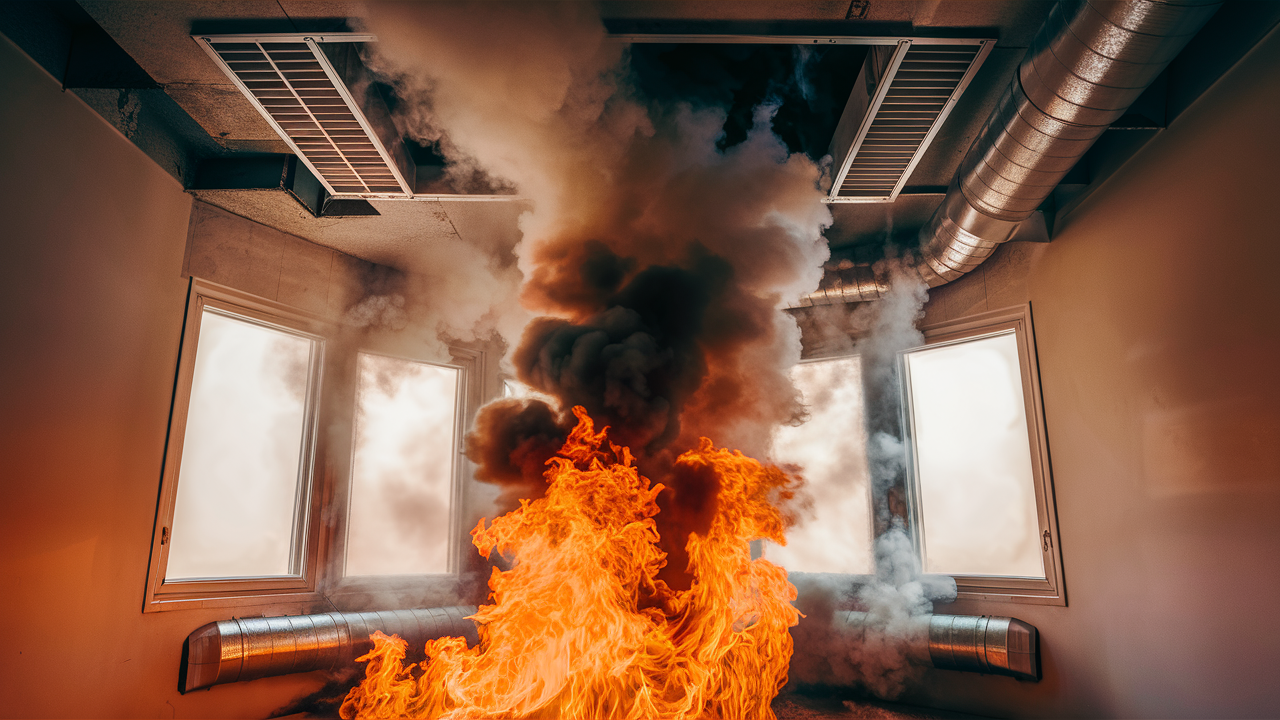
Ventilation is a critical component of fire safety and emergency preparedness. Proper ventilation helps control smoke, heat, and toxic gases during a fire, providing safer evacuation routes and assisting firefighters in their efforts to suppress the blaze. This blog explores the role of ventilation in fire safety, the different types of ventilation systems, and best practices for ensuring effective ventilation in various settings.
Why Ventilation Matters in Fire Safety
- Smoke Control:
- Smoke is one of the primary hazards during a fire, as it can cause suffocation and obscures visibility, hindering evacuation efforts.
- Effective ventilation helps to control and direct smoke away from escape routes and safe areas.
- Heat Reduction:
- Fires generate intense heat, which can cause structural damage and create life-threatening conditions.
- Ventilation helps dissipate heat, reducing the risk of structural collapse and making the environment safer for both occupants and firefighters.
- Toxic Gas Removal:
- Fires produce toxic gases such as carbon monoxide and hydrogen cyanide, which can be deadly if inhaled.
- Ventilation systems help to remove these gases from the building, decreasing the risk of poisoning.
- Firefighting Assistance:
- Proper ventilation can create more favorable conditions for firefighting operations.
- It can help control the fire’s spread by directing it towards safer areas and making it easier for firefighters to access and extinguish the blaze.
Types of Ventilation Systems
- Natural Ventilation:
- Utilizes windows, doors, vents, and other openings to allow smoke and heat to escape naturally.
- Relies on wind and thermal buoyancy to move air through the building.
- Mechanical Ventilation:
- Employs fans, ducts, and other mechanical devices to control airflow.
- Can be designed to either extract smoke and heat (exhaust ventilation) or introduce fresh air (supply ventilation).
- Pressurization Systems:
- Involves creating a pressure difference between areas to prevent smoke from spreading to protected zones.
- Commonly used in stairwells, elevator shafts, and refuge areas to keep them smoke-free during a fire.
- Smoke and Heat Exhaust Ventilation Systems (SHEVS):
- Specifically designed to control smoke and heat in large spaces such as shopping malls, atriums, and industrial buildings.
- Includes features like smoke vents, automatic opening windows, and exhaust fans.
Best Practices for Effective Ventilation
- Design and Installation:
- Ensure that ventilation systems are designed according to the building’s layout, occupancy, and fire risk.
- Follow industry standards and guidelines for the installation of ventilation systems.
- Regular Maintenance:
- Conduct regular inspections and maintenance to ensure ventilation systems are in good working condition.
- Check for blockages, mechanical failures, and any signs of wear and tear.
- Integration with Fire Detection Systems:
- Connect ventilation systems with fire alarms and detectors to enable automatic activation during a fire.
- Ensure that the system responds promptly to fire signals, enhancing its effectiveness.
- Training and Drills:
- Train building occupants and emergency personnel on the operation and importance of ventilation systems.
- Conduct regular fire drills to ensure everyone is familiar with evacuation routes and procedures.
- Adaptive Ventilation Strategies:
- Implement adaptive strategies that can be adjusted based on the fire’s location and severity.
- Use dynamic systems that can respond to real-time conditions to optimize smoke and heat control.
Conclusion
Ventilation plays a pivotal role in fire safety by controlling smoke, heat, and toxic gases, thereby enhancing the safety of building occupants and firefighters. Understanding the different types of ventilation systems and following best practices for their design, installation, and maintenance can significantly improve a building’s fire preparedness. By prioritizing proper ventilation, we can reduce the risks associated with fires and create safer environments for everyone.
Common unsafe practices
- Relying on equipment without a hazard assessment
- Blocking or compromising escape routes
- Delaying the alarm or emergency call
- Attempting a response beyond training or safe conditions
- Re-entering before authorised clearance
- Treating a checklist as a substitute for competent inspection