
The Role of Community in Emergency Preparedness
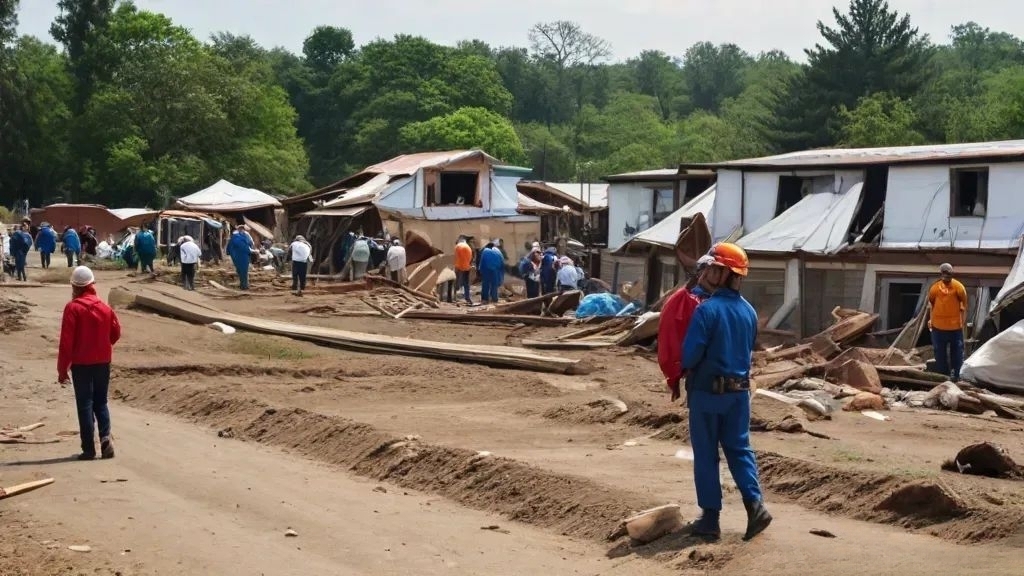
What needs attention
- The article topic must be linked to the actual occupancy and hazard
- Prevention and early warning provide more safety margin than last-second intervention
- Equipment is effective only when correctly selected, accessible and maintained
- People need short practised actions and a clear decision to stop and escape
- Children, visitors and people needing assistance require explicit planning
- Records, drills and inspections matter only when defects are corrected
Controls that reduce risk
- Complete a task- and site-specific hazard assessment
- Verify applicable Indian, state and local requirements
- Use competent inspection for installed systems and specialist hazards
- Keep alarms, exits, signs and emergency access usable
- Train intended users and practise evacuation
- Record defects with an owner and completion date
- Review the plan after changes, incidents or near misses
Understand and apply the guidance
Emergency preparedness is not just an individual responsibility but a collective one. Communities play a crucial role in ensuring safety and resilience in the face of disasters. By working together, sharing resources, and fostering a culture of preparedness, communities can significantly enhance their ability to respond to and recover from emergencies. Here’s how community involvement is essential in emergency preparedness and practical steps to strengthen it.
Why Community Involvement Matters
- Shared Resources and Expertise
- Communities can pool resources like emergency supplies, medical equipment, and skilled personnel.
- Local knowledge and expertise can be invaluable in responding to specific types of emergencies common to the area.
- Enhanced Communication
- A well-connected community ensures timely dissemination of information during emergencies.
- Establishing communication networks helps in quickly relaying warnings, updates, and instructions.
- Support Systems
- Neighbours can assist each other, especially the elderly, disabled, and those with young children.
- Emotional and psychological support from familiar faces can be comforting during crises.
- Efficient Response and Recovery
- Coordinated efforts lead to faster and more efficient emergency response.
- Community members can work together in recovery efforts, helping to rebuild and restore normalcy.
Steps to Strengthen Community Emergency Preparedness
- Organize Community Meetings
- Regular meetings can be used to discuss emergency plans, assign roles, and share information.
- Involve local authorities, emergency services, and NGOs in these meetings for better coordination.
- Develop a Community Emergency Plan
- Create a comprehensive plan that includes evacuation routes, shelter locations, and contact information for emergency services.
- Ensure all community members are aware of and understand the plan.
- Conduct Drills and Training
- Organize regular emergency drills for various scenarios like fires, earthquakes, floods, and more.
- Provide training sessions on first aid, CPR, and basic survival skills.
- Create a Communication Network
- Establish a system for disseminating information quickly, such as a phone tree, WhatsApp group, or local radio broadcasts.
- Ensure there are backup communication methods in case of power or network outages.
- Build and Maintain Emergency Supplies
- Encourage households to maintain a stock of essential supplies like water, food, medicine, and first aid kits.
- Establish community emergency supply centers with additional resources.
- Identify and Support Vulnerable Individuals
- Make a list of community members who may need extra assistance during emergencies, such as the elderly, disabled, or those with young children.
- Assign neighbours or volunteers to check on and help these individuals during crises.
- Promote Awareness and Education
- Run awareness campaigns to educate the community about different types of emergencies and the importance of preparedness.
- Use local media, social platforms, and community events to spread information.
- Collaborate with Local Authorities and Organizations
- Work closely with local government, police, fire departments, and health services to align community plans with official emergency procedures.
- Partner with NGOs and other organizations that can provide additional resources and support.
Real-Life Examples of Community Preparedness
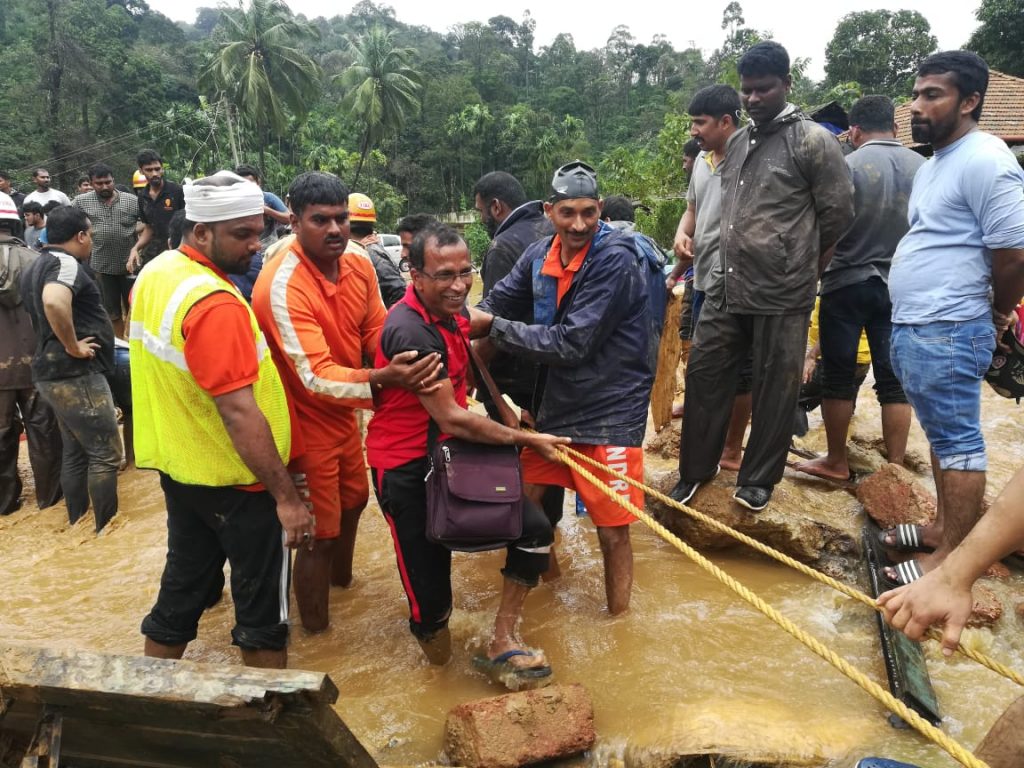
- The Kodagu Floods in Karnataka
- During the 2018 floods, local communities in Kodagu worked together to rescue stranded individuals, provide shelter, and distribute food and medical supplies.
- Community members used social media to coordinate relief efforts and share critical information.
- Cyclone Fani in Odisha
- In 2019, the Odisha government’s collaboration with local communities led to the successful evacuation of over a million people, significantly reducing casualties.
- Community shelters and timely warnings through local networks were pivotal in ensuring safety.
Conclusion
The role of the community in emergency preparedness cannot be overstated. By fostering a sense of collective responsibility and working together, communities can enhance their resilience and ability to respond to emergencies. Implementing the steps outlined above will help build a stronger, more prepared community capable of facing any crisis. Remember, in times of emergency, we are stronger together.
For more resources and information on community emergency preparedness, visit HowToSurvive.in.
Stay informed. Stay prepared. Together, let’s learn how to survive.
Common unsafe practices
- Relying on equipment without a hazard assessment
- Blocking or compromising escape routes
- Delaying the alarm or emergency call
- Attempting a response beyond training or safe conditions
- Re-entering before authorised clearance
- Treating a checklist as a substitute for competent inspection