
The Use of Electric Gloves: Ensuring Safety in Electrical Work
What needs attention
- The article topic must be linked to the actual occupancy and hazard
- Prevention and early warning provide more safety margin than last-second intervention
- PPE cannot compensate for an uncontrolled hazard
- People need short practised actions and a clear decision to stop and escape
- Children, visitors and people needing assistance require explicit planning
- Records, drills and inspections matter only when defects are corrected
Controls that reduce risk
- Complete a task- and site-specific hazard assessment
- Verify applicable Indian, state and local requirements
- Use competent inspection for installed systems and specialist hazards
- Keep alarms, exits, signs and emergency access usable
- Train intended users and practise evacuation
- Record defects with an owner and completion date
- Review the plan after changes, incidents or near misses
Understand and apply the guidance
Electric gloves, also known as electrical safety gloves or insulated gloves, are a vital piece of personal protective equipment (PPE) for anyone working with or around electrical systems. These gloves are designed to provide protection against electric shocks and other electrical hazards. This guide explores the importance of electric gloves, their types, usage, and maintenance to ensure maximum safety.
Why Electric Gloves Are Important
- Protection Against Electrical Shock
- Electric gloves provide insulation that protects against electric shocks when working with high-voltage equipment.
- Preventing Burns
- These gloves also protect against burns caused by electrical arcs and sparks.
- Enhanced Grip and Dexterity
- They offer a secure grip on tools and materials, reducing the risk of accidental slips and increasing precision in handling electrical components.
- Compliance with Safety Regulations
- Using electric gloves helps ensure compliance with workplace safety regulations and standards, thereby minimizing the risk of workplace accidents and legal issues.
Types of Electric Gloves
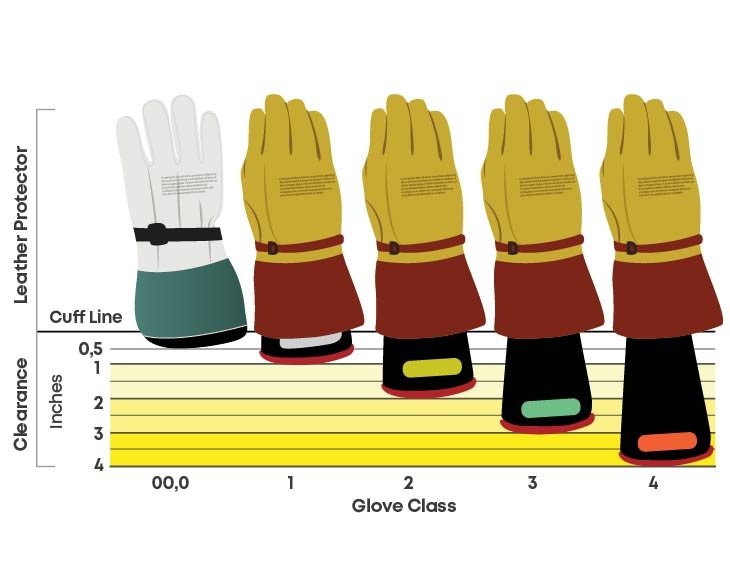
Electric gloves are categorized based on the level of protection they offer, measured by the maximum voltage they can withstand.
- Class 00
- Maximum Voltage: 500 volts AC
- Use: Low-voltage applications, such as household electrical repairs or low-voltage industrial work.
- Class 0
- Maximum Voltage: 1,000 volts AC
- Use: Slightly higher voltage work, including some industrial and commercial electrical tasks.
- Class 1
- Maximum Voltage: 7,500 volts AC
- Use: Medium-voltage applications in commercial and industrial settings.
- Class 2
- Maximum Voltage: 17,000 volts AC
- Use: Higher voltage tasks, often found in utility and power distribution environments.
- Class 3
- Maximum Voltage: 26,500 volts AC
- Use: High-voltage maintenance and repair work in power plants and transmission lines.
- Class 4
- Maximum Voltage: 36,000 volts AC
- Use: Extreme high-voltage tasks in specialized electrical and power industries.
How to Properly Use Electric Gloves
- Selection
- Choose the appropriate class of electric gloves based on the voltage level of the tasks you will be performing.
- Ensure the gloves are certified and meet relevant safety standards (e.g., ASTM D120 in the U.S.).
- Inspection
- Before each use, inspect the gloves for any signs of damage, such as cuts, punctures, or wear. Even minor damage can compromise their insulating properties.
- Perform an air inflation test to check for leaks by inflating the gloves and listening for escaping air.
- Wearing the Gloves
- Ensure hands are clean and dry before wearing the gloves to avoid contamination.
- Use leather protector gloves over the electric gloves to provide additional mechanical protection without compromising electrical insulation.
- Using the Gloves
- Follow all safety protocols and procedures for electrical work, including de-energizing circuits whenever possible.
- Avoid contact with sharp objects or abrasive surfaces that could damage the gloves.
- Storage
- Store electric gloves in a cool, dry place away from direct sunlight and chemicals.
- Avoid folding or compressing the gloves, which can create weak points and reduce their effectiveness.
Maintenance and Testing
- Regular Testing
- Electric gloves should be tested regularly, typically every six months, by a certified testing facility to ensure they maintain their insulating properties.
- Cleaning
- Clean gloves with mild soap and water after each use to remove dirt and contaminants. Rinse thoroughly and air dry.
- Replacement
- Replace gloves immediately if they show signs of damage or fail an inspection or test. Do not attempt to repair electric gloves.
Conclusion
Electric gloves are essential for anyone working with electrical systems, providing critical protection against electric shocks, burns, and other hazards. By selecting the appropriate gloves, inspecting and maintaining them properly, and following safe usage guidelines, you can ensure your safety and compliance with safety standards.
Common unsafe practices
- Relying on equipment without a hazard assessment
- Blocking or compromising escape routes
- Delaying the alarm or emergency call
- Attempting a response beyond training or safe conditions
- Re-entering before authorised clearance
- Treating a checklist as a substitute for competent inspection