
Top 5 Reasons Why Fire Drills Are Essential for Every Business
What needs attention
- The article topic must be linked to the actual occupancy and hazard
- Prevention and early warning provide more safety margin than last-second intervention
- Equipment is effective only when correctly selected, accessible and maintained
- People need short practised actions and a clear decision to stop and escape
- Children, visitors and people needing assistance require explicit planning
- Records, drills and inspections matter only when defects are corrected
Controls that reduce risk
- Complete a task- and site-specific hazard assessment
- Verify applicable Indian, state and local requirements
- Use competent inspection for installed systems and specialist hazards
- Keep alarms, exits, signs and emergency access usable
- Train intended users and practise evacuation
- Record defects with an owner and completion date
- Review the plan after changes, incidents or near misses
Understand and apply the guidance
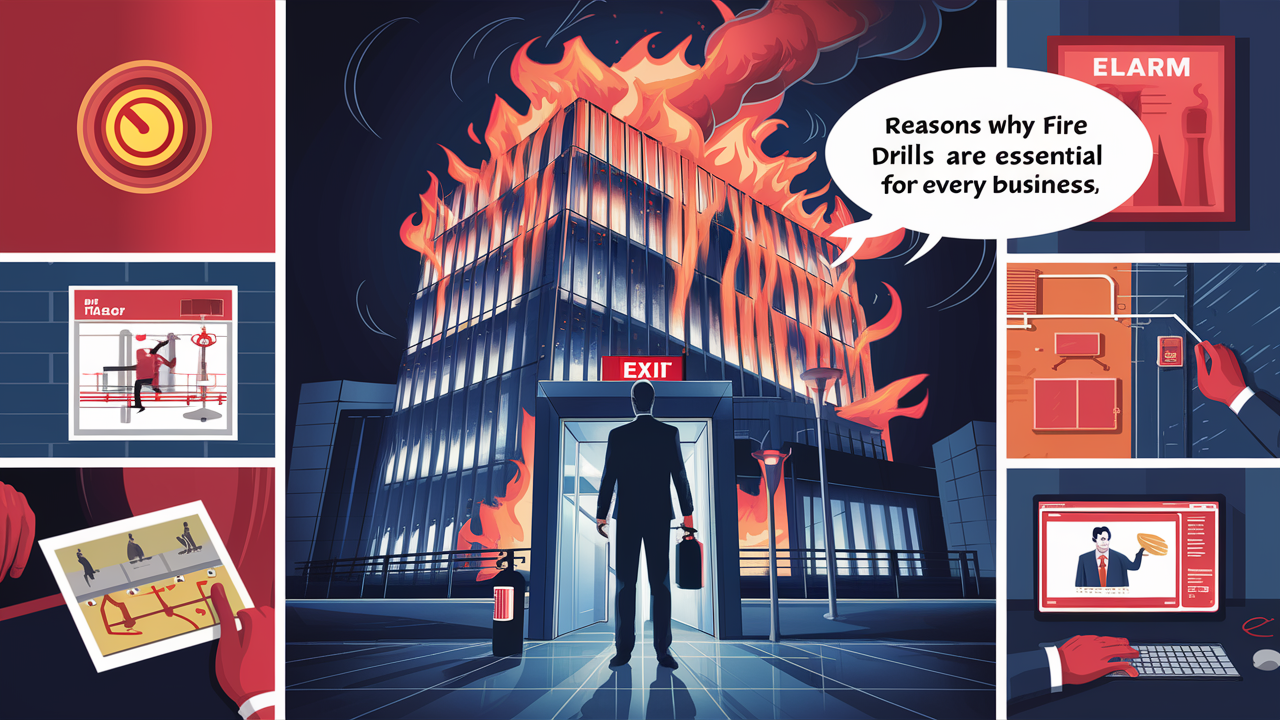
The adage “Practice Makes Perfect” is particularly relevant when it comes to fire drills. Fire drills are essential mock sessions that demonstrate how a building should be evacuated in case of a fire. By manually activating the alarm system, everyone in the building is expected to follow the evacuation procedures they’ve been briefed on. All employees must participate in these drills, as safety is paramount in any organization.
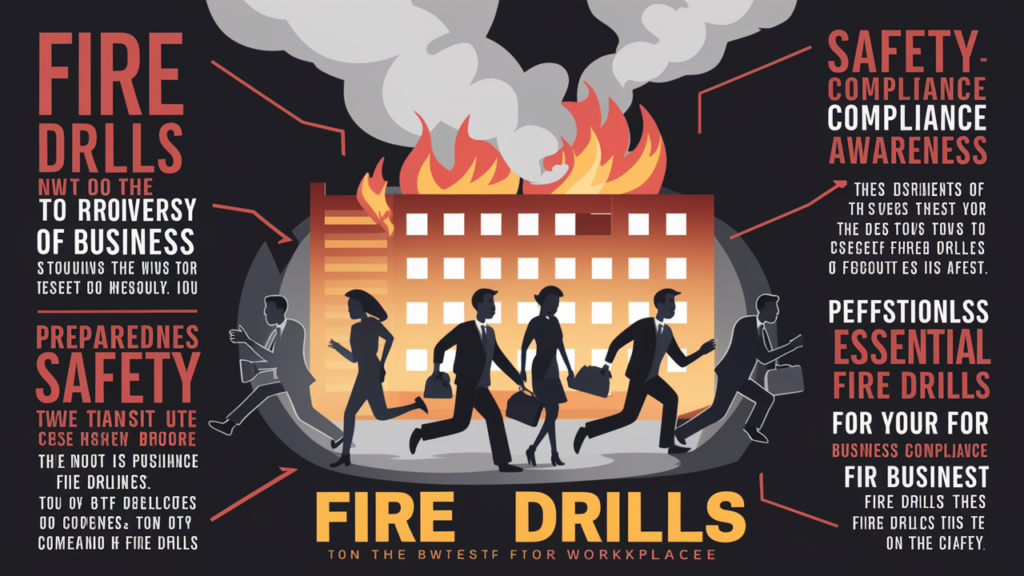
Fire drills help evaluate various factors such as timing and potential system failures, ensuring the evacuation procedure is as efficient as possible. Conducted at regular intervals and often unannounced, these drills provide an accurate measure of the evacuation process’s effectiveness. Each building’s fire drill procedures are tailored to its specific layout and materials, making personalized training essential.
Here are the top 5 reasons why regular fire drills are crucial:
1. Preparation
There have been numerous instances where unpreparedness during a fire has led to chaos, with people panicking, jumping out of windows, and creating stampedes. Such unpreparedness can result in more fatalities than the fire itself. Fire drills prepare people for an organized evacuation, ensuring most people can exit the building safely.
2. Identifying System Failures
Fire drills help identify weaknesses in the evacuation procedure. Some escape routes might be blocked, or certain rooms could be too far from the nearest emergency exit. By pinpointing these issues during drills, they can be addressed and corrected to prevent failures during an actual fire.
3. Testing Equipment
Fire drills are essential for testing fire suppression systems and other safety equipment. For instance, if the electricity automatically shuts off when the fire alarm is activated, torches should be available in all rooms to aid evacuation. Additionally, fluorescent arrows painted in hallways can guide people to the nearest exit. Drills help determine the necessary tools for safe evacuation.
4. Testing New Evacuation Procedures
As businesses evolve and buildings undergo changes, evacuation procedures must also be updated. Regular fire drills help employees familiarize themselves with any new procedures, ensuring there is no panic during an actual emergency. This is especially important as companies grow and new employees are added.
5. Legal Obligations
Fire safety regulations mandate that fire drills be conducted at least once a year, with more frequent drills recommended. Employers are legally obliged to brief new employees on fire safety procedures. Non-compliance with these rules can result in penalties. Regular fire drills ensure that businesses meet these legal requirements and maintain a safe environment for all.
Conclusion
Fire drills are vital for ensuring the safety of everyone in a building during a fire. They help prepare individuals for organized evacuations, identify system failures, test equipment, and update evacuation procedures. Moreover, they fulfill legal obligations.
Common unsafe practices
- Relying on equipment without a hazard assessment
- Blocking or compromising escape routes
- Delaying the alarm or emergency call
- Attempting a response beyond training or safe conditions
- Re-entering before authorised clearance
- Treating a checklist as a substitute for competent inspection