
Types of Fire Suppression Systems
What needs attention
- The article topic must be linked to the actual occupancy and hazard
- Prevention and early warning provide more safety margin than last-second intervention
- Equipment is effective only when correctly selected, accessible and maintained
- People need short practised actions and a clear decision to stop and escape
- Children, visitors and people needing assistance require explicit planning
- Records, drills and inspections matter only when defects are corrected
Controls that reduce risk
- Complete a task- and site-specific hazard assessment
- Verify applicable Indian, state and local requirements
- Use competent inspection for installed systems and specialist hazards
- Keep alarms, exits, signs and emergency access usable
- Train intended users and practise evacuation
- Record defects with an owner and completion date
- Review the plan after changes, incidents or near misses
Understand and apply the guidance
Fire suppression systems are crucial for protecting lives and property by quickly extinguishing or containing fires in various environments. Different types of fire suppression systems utilize different agents and technologies to suppress fires effectively. Understanding the types available can help in selecting the most appropriate system for specific applications.
Types of Fire Suppression Systems
- Water-Based Fire Suppression Systems
- Deluge Systems: Unlike standard sprinkler systems, deluge systems use open nozzles connected to a water supply through a piping system. When activated, the entire system releases water simultaneously over a large area. These systems are suitable for protecting high-hazard areas such as chemical storage facilities or aircraft hangars.
- Water Mist Systems: Water mist systems use fine water droplets to suppress fires. The mist cools the fire, displaces oxygen, and creates a barrier between the flames and surrounding surfaces. These systems are effective for suppressing a wide range of fires and are often used in sensitive environments such as museums, data centers, and hospitals.
- Gaseous Fire Suppression Systems
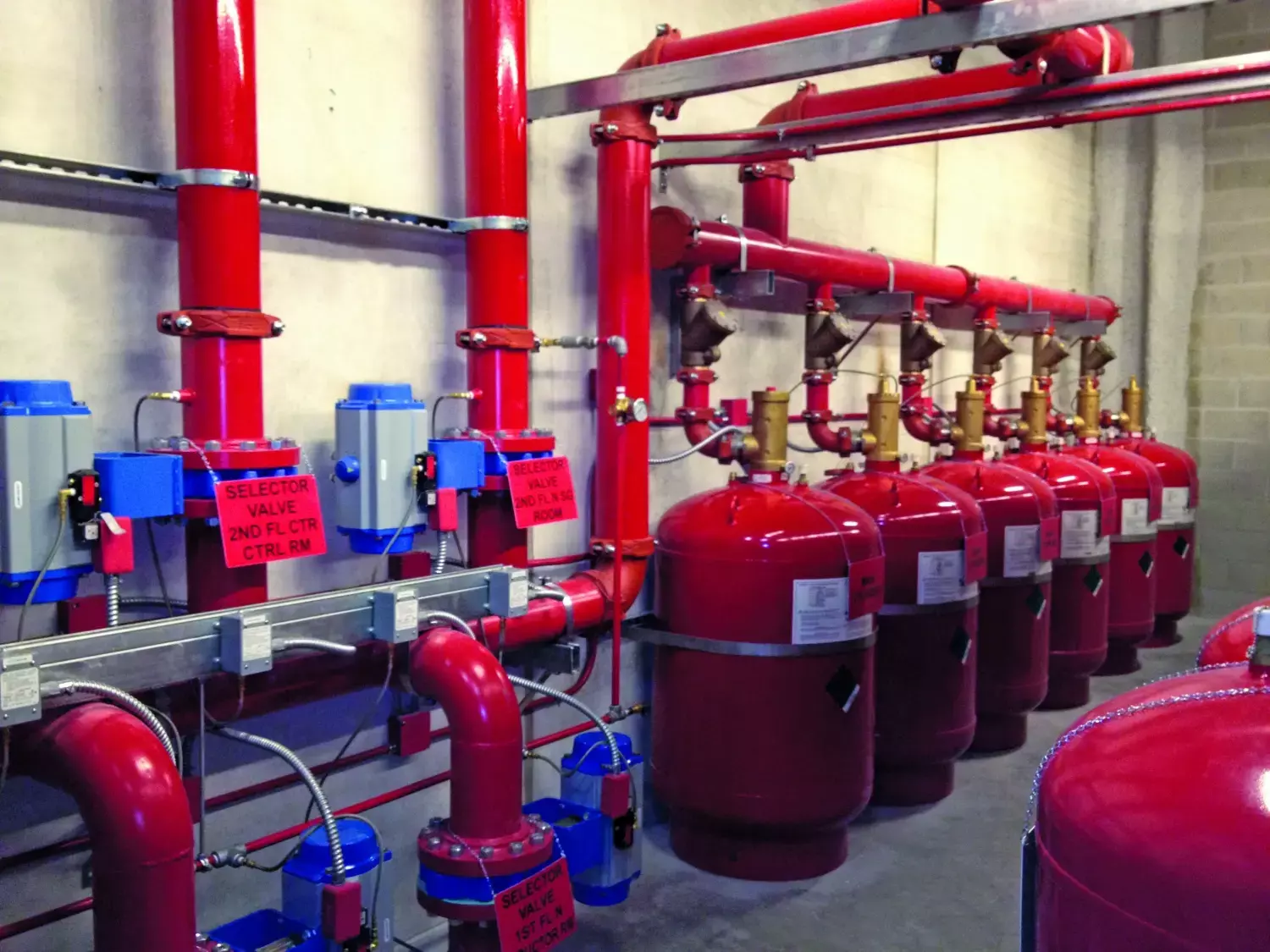
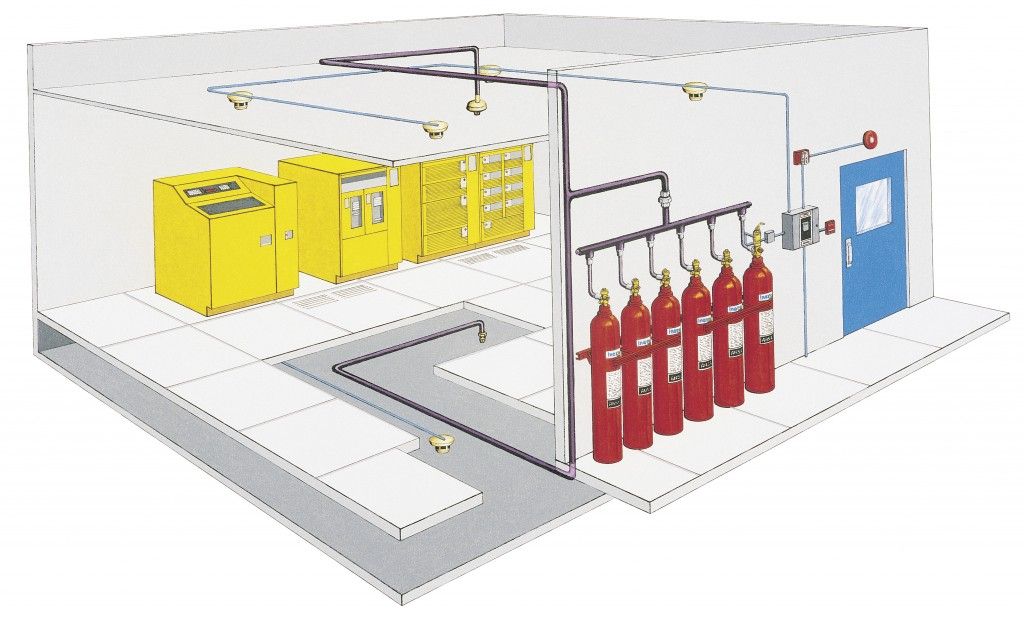
- Inert Gas Systems (e.g., Argonite, Inergen): Inert gas systems reduce the oxygen concentration in the protected area to a level where combustion cannot be sustained. These systems are non-toxic and leave no residue, making them suitable for occupied spaces such as control rooms, server rooms, and archives.
- Carbon Dioxide (CO2) Systems: CO2 systems discharge carbon dioxide gas, which displaces oxygen and suffocates the fire. They are commonly used in industrial applications such as paint booths, printing presses, and electrical substations, where water-based systems could cause damage or pose a risk of electrocution.
- Foam-Based Fire Suppression Systems
- Protein-Based Foams: Protein-based foams are derived from natural proteins such as animal hides or plants. They are effective for suppressing fires involving hydrocarbon fuels and are commonly used in industries such as petrochemical, oil and gas, and marine.
- Synthetic-Based Foams: Synthetic foams are derived from synthetic surfactants and are typically used for fires involving polar solvents such as alcohol, ketones, and esters. They form a stable foam blanket over the fuel surface, preventing reignition and vapor suppression.
- Dry Chemical Fire Suppression Systems
- Class D Dry Chemical Systems: Class D dry chemical systems are specifically designed for suppressing fires involving combustible metals such as magnesium, titanium, and lithium. They use specialized dry chemical agents that react with the metal surface to form a crust, preventing further combustion.
- Vehicle Fire Suppression Systems: Installed in vehicles such as buses, mining equipment, and military vehicles, these systems automatically detect and suppress fires in engine compartments or other critical areas.
- Pre-Engineered Fire Suppression Systems
- Special Hazard Fire Suppression Systems: These systems are designed for protecting specific hazards or high-value assets. Examples include dust collection systems in industrial facilities, transformer vaults, and telecommunications facilities.
- Clean Agent Fire Suppression Systems: Clean agent systems utilize non-conductive and non-corrosive agents that leave no residue, making them suitable for protecting sensitive electronic equipment and archives.
By understanding the capabilities and limitations of each type of fire suppression system, stakeholders can make informed decisions when selecting and designing fire protection systems tailored to their specific needs and requirements. Regular inspection, testing, and maintenance are essential to ensure the continued reliability and effectiveness of these systems in protecting lives and property from the devastating effects of fire.
Stay informed. Stay prepared. Together, let’s learn how to survive.
Common unsafe practices
- Relying on equipment without a hazard assessment
- Blocking or compromising escape routes
- Delaying the alarm or emergency call
- Attempting a response beyond training or safe conditions
- Re-entering before authorised clearance
- Treating a checklist as a substitute for competent inspection