
Unabated Fire Accidents in India: A Call for Comprehensive Fire Safety Reforms
What needs attention
- The article topic must be linked to the actual occupancy and hazard
- Prevention and early warning provide more safety margin than last-second intervention
- Equipment is effective only when correctly selected, accessible and maintained
- People need short practised actions and a clear decision to stop and escape
- Children, visitors and people needing assistance require explicit planning
- Records, drills and inspections matter only when defects are corrected
Controls that reduce risk
- Complete a task- and site-specific hazard assessment
- Verify applicable Indian, state and local requirements
- Use competent inspection for installed systems and specialist hazards
- Keep alarms, exits, signs and emergency access usable
- Train intended users and practise evacuation
- Record defects with an owner and completion date
- Review the plan after changes, incidents or near misses
Understand and apply the guidance
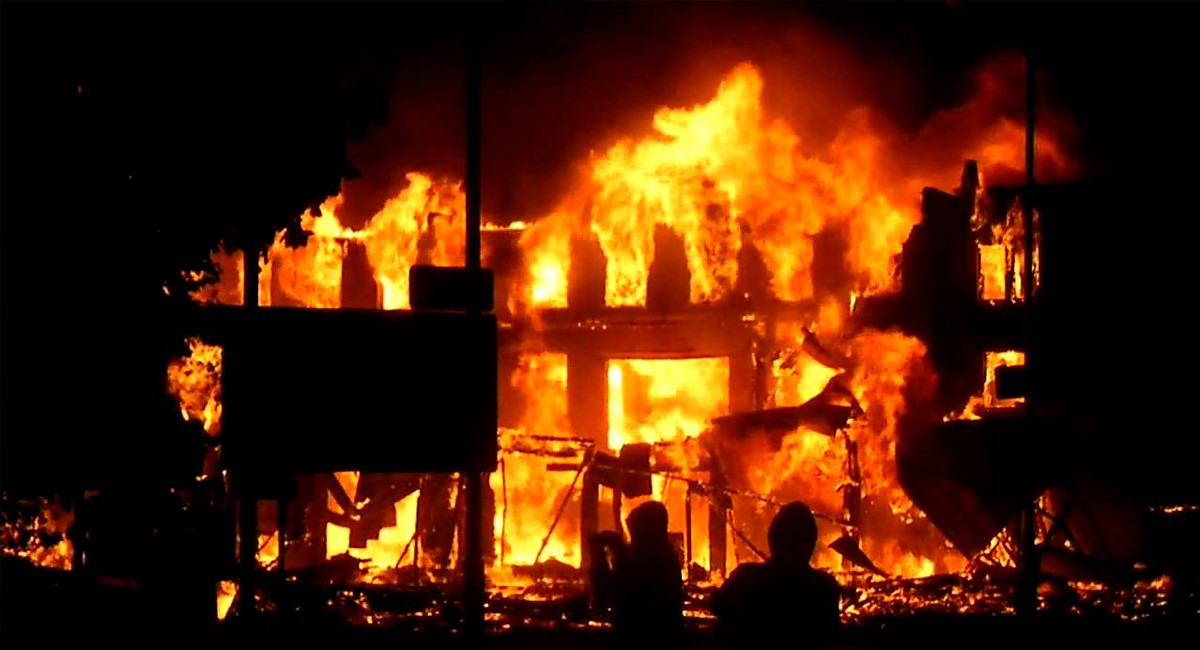
In recent months, India has witnessed a series of devastating fire accidents, including incidents in a Delhi factory, Mumbai’s Kamala Mills rooftop hotels, and Madurai’s Meenakshi Temple. These tragedies highlight systemic issues in fire safety management and serve as urgent wake-up calls for comprehensive reforms.
Why Fire Accidents Persist
Despite having a framework for fire safety audits, India lacks legislative provisions that clearly define the scope, objectives, methodology, and frequency of these audits. This gap leaves many buildings and establishments vulnerable to fire hazards. Initial investigations into recent accidents reveal common issues: storage of inflammable materials, blocked exit passages, and poorly maintained electrical wiring.
Alarming Statistics and Risk Assessment
A recent report by FICCI-Pinkerton, “The India Risk Survey 2017,” ranks natural hazards as the fourth highest risk to businesses, a significant rise from the previous year. Fire, specifically, has moved up three positions to become the fifth highest risk. The National Crime Records Bureau reported 18,450 fire accidents in 2015 alone, resulting in 17,700 deaths and 1,193 injuries. These statistics underscore the severe and ongoing risk that fire accidents pose to life and property in India.
Challenges in High-Rise Buildings
The rapid construction of high-rise buildings in India, particularly in metro areas, presents unique fire safety challenges. These buildings often lack adequate fire protection systems, making fire incidents more complex and difficult to manage. In commercial establishments, fires frequently start in storage areas due to poorly stored goods, which can exacerbate the spread of fire and hinder firefighting efforts.
The Role of Fire Safety Audits
Fire Safety Audits (FSA) are essential tools for assessing the fire safety standards of buildings. These audits ensure compliance with the National Building Code of India, relevant Indian standards, and state and local fire safety legislations. However, the absence of clear legislative provisions regarding the scope, objective, methodology, and periodicity of FSAs limits their effectiveness. Making FSAs mandatory and entrusting them to independent agencies, with annual reviews, would significantly enhance fire safety standards.
Legislative and Structural Reforms Needed
Fire services in India are a state subject, often managed by municipal corporations and local bodies. A 2011 study reported a 65% deficiency in fire stations, highlighting the lack of resources and infrastructure. The Ministry of Home Affairs noted a significant deficiency in firefighting infrastructure in towns with populations over 1 lakh. Financial assistance from the government, including Rs 176 crore allocated between 2009-2013, has been crucial, but ongoing support is essential.
Building Public Awareness and Preparedness
Public awareness and education about fire prevention and protection measures are critical. Regular workshops in local communities, schools, and religious places can help build a culture of fire safety. Ensuring that fire fighting equipment is maintained and operational, and that individuals know how to use it, is also vital. Periodic inspections by fire service departments can help enforce compliance and address potential hazards.
Way Forward
To address the persistent issue of fire accidents, India needs comprehensive reforms:
- Legislative Action: Implement a uniform national fire safety code with mandatory audits and stringent penalties for non-compliance.
- Infrastructure Investment: Modernize and upgrade firefighting equipment and infrastructure.
- Public Education: Launch extensive awareness campaigns and integrate fire safety education into school curricula.
- Regular Inspections: Conduct periodic fire safety drills and inspections to ensure compliance and preparedness.
Conclusion
The recent spate of fire accidents in India is a stark reminder of the urgent need for comprehensive fire safety reforms. By strengthening legislation, improving infrastructure, and raising public awareness, India can significantly reduce the risk of fire accidents and protect lives and property.
For more information and resources on fire safety and emergency preparedness, visit HowToSurvive.in. Stay informed. Stay prepared.
Common unsafe practices
- Relying on equipment without a hazard assessment
- Blocking or compromising escape routes
- Delaying the alarm or emergency call
- Attempting a response beyond training or safe conditions
- Re-entering before authorised clearance
- Treating a checklist as a substitute for competent inspection