
Understanding the Use and Working of Foam Monitors in Firefighting
What needs attention
- The article topic must be linked to the actual occupancy and hazard
- Prevention and early warning provide more safety margin than last-second intervention
- Equipment is effective only when correctly selected, accessible and maintained
- People need short practised actions and a clear decision to stop and escape
- Children, visitors and people needing assistance require explicit planning
- Records, drills and inspections matter only when defects are corrected
Controls that reduce risk
- Complete a task- and site-specific hazard assessment
- Verify applicable Indian, state and local requirements
- Use competent inspection for installed systems and specialist hazards
- Keep alarms, exits, signs and emergency access usable
- Train intended users and practise evacuation
- Record defects with an owner and completion date
- Review the plan after changes, incidents or near misses
Understand and apply the guidance
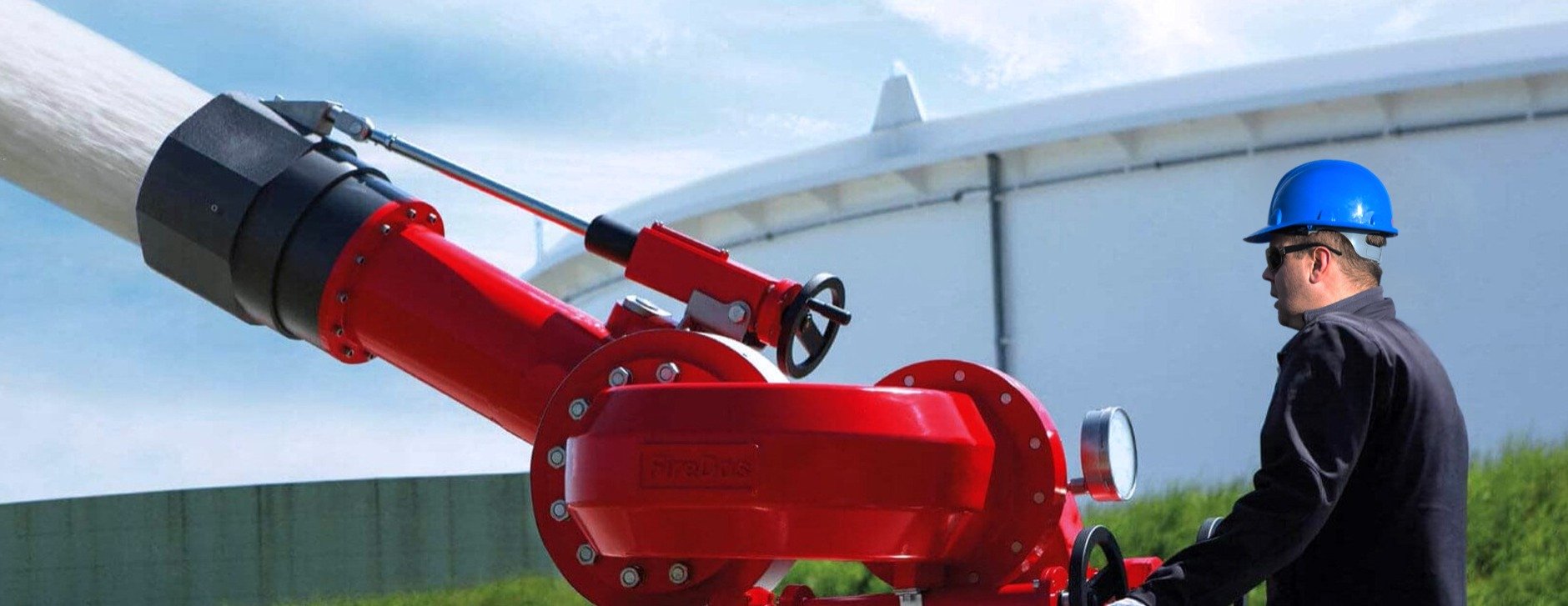
Foam monitors are crucial in firefighting, particularly for combating fires involving flammable liquids and hazardous materials. These devices deliver firefighting foam over considerable distances, effectively suppressing and extinguishing fires that water alone cannot handle. This blog explores the use and working of foam monitors, their applications, and best practices for deployment in firefighting operations.
What is a Foam Monitor?
A foam monitor is a device designed to project a high-velocity stream of foam or water to control and extinguish fires. They are typically mounted on fire trucks, industrial facilities, or as part of fixed fire suppression systems. Foam monitors can be manually operated or automated and are often used in high-risk environments such as oil refineries, chemical plants, and large storage areas for flammable materials.
How Foam Monitors Work
- Foam Concentrate and Water Mix:
- Foam monitors operate by mixing a foam concentrate with water to create a foam solution. This mixture is then propelled through the monitor and expelled at high velocity towards the fire.
- Nozzle Design:
- The nozzle of a foam monitor is designed to expand the foam solution, creating a thick, voluminous blanket of foam. This helps to smother the fire by cutting off its oxygen supply and cooling the fuel.
- Propulsion Mechanism:
- Foam monitors can use various propulsion mechanisms, including manual pumps, electric motors, or water pressure, to expel the foam solution. The type of propulsion used depends on the design and application of the foam monitor.
- Control and Aim:
- Foam monitors are equipped with control mechanisms to direct and aim the foam stream accurately. These controls can be manual levers, remote controls, or automated systems, allowing firefighters to target the fire effectively from a safe distance.
Applications of Foam Monitors
- Industrial Facilities:
- Foam monitors are essential in industrial settings, such as oil refineries, chemical plants, and manufacturing facilities, where fires involving flammable liquids and hazardous materials are common.
- Aircraft Hangars:
- In aviation, foam monitors are used to protect aircraft hangars and other facilities where fuel spills and fires pose significant risks.
- Marine and Offshore:
- Foam monitors are deployed on ships, oil rigs, and other offshore installations to combat fires that can arise from fuel spills and other hazards.
- Municipal Fire Departments:
- Fire departments use portable and mounted foam monitors to handle large-scale fires in urban and suburban areas, particularly those involving industrial sites and hazardous materials.
Best Practices for Using Foam Monitors
- Training and Familiarization:
- Firefighting personnel should receive thorough training on the operation and maintenance of foam monitors. Familiarity with the equipment ensures effective and safe deployment during an emergency.
- Regular Maintenance:
- Regular inspection and maintenance of foam monitors are crucial to ensure they are in optimal working condition. This includes checking for any wear and tear, ensuring proper calibration, and verifying that foam concentrate supplies are adequate.
- Strategic Placement:
- Position foam monitors in locations that provide the best coverage for potential fire hazards. In fixed installations, ensure they are placed where they can effectively target high-risk areas.
- Appropriate Foam Selection:
- Use the correct type of foam concentrate for the specific fire hazard. Different foams are designed for different types of fires, and using the appropriate one maximizes the effectiveness of the foam monitor.
- Safety Protocols:
- Always follow safety protocols when operating foam monitors. This includes wearing appropriate personal protective equipment (PPE), maintaining a safe distance from the fire, and being aware of wind direction to avoid foam blowback.
Conclusion
Foam monitors are invaluable tools in modern firefighting. Their ability to project foam over long distances, effectively suppress fires involving flammable liquids, and improve operational efficiency makes them essential for high-risk environments. By understanding their working mechanism and adhering to best practices, firefighters can maximize the effectiveness of foam monitors and enhance overall fire safety.
Common unsafe practices
- Relying on equipment without a hazard assessment
- Blocking or compromising escape routes
- Delaying the alarm or emergency call
- Attempting a response beyond training or safe conditions
- Re-entering before authorised clearance
- Treating a checklist as a substitute for competent inspection