
What Causes a Smoke Detector False Alarm?
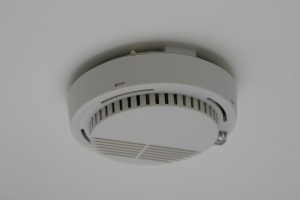
What needs attention
- A nuisance alarm is normally a real sensor response to a non-hazardous stimulus, not proof that the detector is defective
- CPSC research lists cooking particles, steam, dust, insects, tobacco smoke, heated-air circulation and candle products as external nuisance sources
- Both ionisation and photoelectric technologies can respond to nuisance sources
- NIST found cooking-alarm propensity depended on aerosol properties, concentration, detector location and airflow; increasing distance helped in many scenarios but did not replace correct design
- The legacy instruction to switch off detectors during renovation is unsafe without a formal impairment plan, compensatory protection and assured restoration
- The legacy instruction to turn a hard-wired alarm circuit breaker off and on is not a general troubleshooting method; it can disable interconnected protection and should follow the exact manufacturer or competent-person procedure
- Opening a smoke alarm to clean inside can damage or contaminate the sensing chamber; clean only as the listed instructions permit
- A low-battery or end-of-life chirp is different from a smoke alarm and should not be solved by removing the device indefinitely
- Newer nuisance-resistant product standards reduce risk but do not promise zero unwanted alarms
- Repeat alarms create alarm fatigue, making root-cause correction a life-safety priority
Controls that reduce risk
- Photograph the device label and record manufacturer, model, manufacture date, power type and room
- Learn the distinct smoke, carbon-monoxide, low-battery and fault patterns in its manual
- Test home alarms monthly using the test button and replace them at the manufacturer-specified end of life
- Keep cooking extraction working and avoid leaving food unattended
- Use the listed hush feature and ventilation for a confirmed cooking or steam activation—never remove the battery
- Keep detectors free of paint and construction dust and clean only by the approved method
- Have a competent person review repeat locations for airflow, ceiling geometry, nuisance sources and suitability
- For a building system, preserve event logs before reset and track alarms by device address and root cause
- Control every isolation with authorisation, compensatory measures, expiry time and documented restoration test
- Replace damaged, contaminated, recalled, expired or persistently unreliable devices with approved compatible products
Understand and apply the guidance
When your fire alarm sounds, your first thought is probably to look for the source of a possible fire, right? And as soon as you realize it was a false alarm, you start to feel better. When false alarms happen all the time, though, they become a huge bother. Learn what makes a smoke detector go off when it shouldn’t and make sure your fire alarm system is working right to avoid these.

What causes a false alarm?
Different things can set off a false alarm on a smoke detector. The reason your fire alarm keeps going off could be anything from dust and bugs to strong chemicals. If you want to make sure you don’t end up in this situation, you can start by looking at the following features.
- Dirt, dust, and insects:- Even though it might seem strange, insects can make smoke detectors go off when they shouldn’t. Some of them are so small that they can get inside the detector and mess with its sensors. Also, dust and dirt can make the detector too sensitive, which makes it more likely that a false alarm will go off.
- Wrong place installation:- Make sure your smoke detector isn’t too close to the oven, stove, or even the shower before you decide where to put it. The closest smoke detectors should be at least 10 feet away from any cooking equipment, because being too close can cause a false alarm. To keep you safe and keep problems from happening, the installation needs to be done 10 to 20 feet away from any cooking equipment. When putting your smoke detector near the bathroom, there is something else to think about. When there is a lot of steam, the smoke detector can also be tricked into going off. Also, things like heavy pollen and barbecue smoke can come from outside and set off a false alarm. If you put a smoke detector near a window, make sure it won’t get messed up by noise from outside.
- Low-quality products or poor-quality installation:- Getting a fire alarm system from a brand you know and trust that makes good products could save you time and money. Most false alarms are caused by low-quality smoke detectors, bad installation, or wrong placement, so be careful when choosing a supplier. Do some research on the best brands and hire a professional to set up the devices for you.
- Strong chemicals:- If you are making changes to your home, you might want to turn off your smoke detectors for a while. Strong materials, like those in wall paint, can set off a false fire alarm. The same thing happens with tiny pieces of dust that come from building walls or cutting wood. In this case, you should turn off your fire alarm system temporarily and then turn it back on when you’re done.
How can you avoid a false alarm?
Now that you know what makes a false alarm, it will be easier to keep them from happening. Still, we chose a few tips that could save you time, effort, and money.
- Regular cleanup:- Dirt, dust, insects, mold, and other things that can cause false alarms can build up on smoke detectors. To avoid these, all you have to do is clean often. You can vacuum the smoke detector’s vents and the area around it, or you can open it up and clean the inside. When you’re done, don’t forget to turn your device off and on again.
- Smoke detector sensitivity:- The National Fire Protection Association says that every other year, you should test how sensitive your smoke detector is. During the annual test of your fire alarm system, you can also make sure that everything is set up correctly.
- Check your batteries:- Some smoke detectors beep all the time instead of going off. This can mean that the battery is getting low. In this case, check to see if you have the right type of battery in place and if the battery’s expiration date hasn’t passed. There’s also a chance that the connections to the battery aren’t working right. You can check to see if the battery is properly fixed, but if the problem still persists, you should call a certified fire alarm installation company.
- Preventive maintenance:- Your fire alarm system needs a full inspection once a year, which must be done by a certified company. This way, you can make sure that everything is working right, and the chance of a false fire will be lower.
What should you do when you notice a false alarm?
As we’ve already said, the first thing you need to do when your alarm goes off is figure out what set it off. If there’s no fire or smoke, you know it’s a false alarm and can turn off the loud noise the device is making.
If you have a battery-powered smoke detector, all you have to do is hold the reset button until the alarm stops. Most of the time, the button is on the front or in the middle of the device.
If your smoke detectors are hardwired, it might be harder to turn them off, but it’s not impossible. Since the detectors are all connected, you’ll have to try to reset each one to find out which one is setting off the alarm. If the alarm doesn’t stop, you’ll have to turn off and then back on the circuit breaker.
Now you will know what to do the next time your smoke detectors go off for no reason. Simple routines like cleaning and regular maintenance will help to keep you from being caught off guard.
Common unsafe practices
- Calling an alarm false before checking for a hidden, electrical, wall, ceiling or appliance fire
- Removing the battery, detector head or mains supply to stop repeat alarms
- Resetting the panel before recording the initiating address, time and conditions
- Moving an alarm farther from cooking without preserving required coverage
- Using a heat alarm as a casual substitute for a required smoke alarm
- Spraying cleaner, compressed air, paint or insecticide into a sensing chamber
- Opening and cleaning internal parts contrary to manufacturer instructions
- Covering detectors during construction without an impairment log, fire watch where needed and end-of-shift restoration check
- Changing detector sensitivity or verification delay to hide an environmental problem
- Replacing only the battery when the chirp indicates device end of life or system fault
- Assuming an interconnected alarm originated at the loudest unit
- Ignoring repeat activations until occupants stop responding