
When Would It Be Dangerous to Use a Carbon Dioxide Fire Extinguisher?
What needs attention
- The article topic must be linked to the actual occupancy and hazard
- Prevention and early warning provide more safety margin than last-second intervention
- Equipment is effective only when correctly selected, accessible and maintained
- People need short practised actions and a clear decision to stop and escape
- Children, visitors and people needing assistance require explicit planning
- Records, drills and inspections matter only when defects are corrected
Controls that reduce risk
- Complete a task- and site-specific hazard assessment
- Verify applicable Indian, state and local requirements
- Use competent inspection for installed systems and specialist hazards
- Keep alarms, exits, signs and emergency access usable
- Train intended users and practise evacuation
- Record defects with an owner and completion date
- Review the plan after changes, incidents or near misses
Understand and apply the guidance
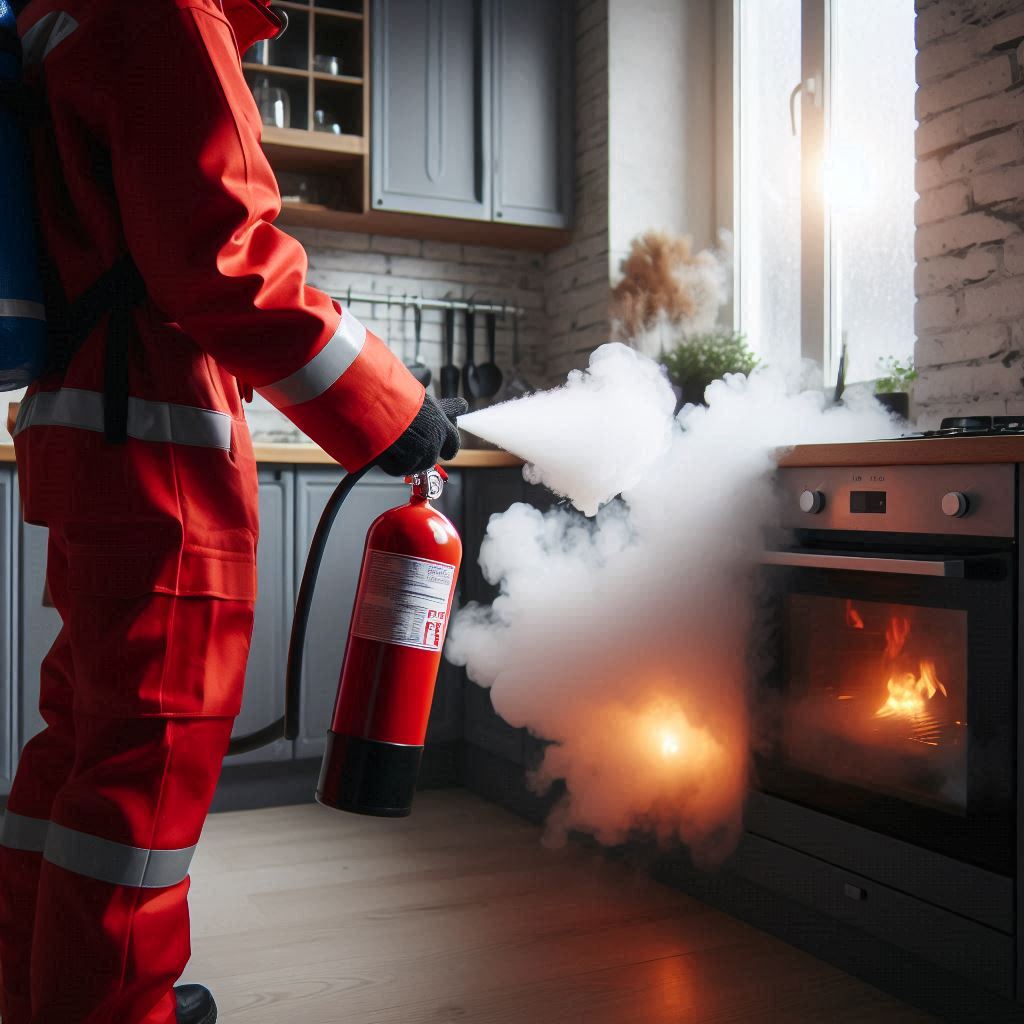
Fire safety is a critical concern for businesses and individuals across India, and understanding the nuances of fire extinguisher usage is paramount. Carbon dioxide (CO₂) fire extinguishers are powerful tools in combating specific types of fires, but they also come with inherent risks that must be addressed. In this article, we’ll explore the risks associated with CO₂ extinguishers, their benefits, and safety guidelines tailored for Indian audiences.
Risks of Carbon Dioxide Fire Extinguishers
- Asphyxiation Hazard: In confined spaces or areas lacking ventilation, using a CO₂ extinguisher can lead to asphyxiation due to oxygen displacement.
- Higher Pressure Risks: CO₂ extinguishers operate at higher pressures, posing a risk of injuries like wrist strains or fractures if not used correctly.
- Quick Discharge: CO₂ units discharge rapidly due to high pressure, necessitating careful and efficient use during firefighting.
- Frost Burn: Improper handling or lacking a frost-free horn can result in frost burns when using CO₂ extinguishers.
- Electrical Risks: While effective for electrical fires, users must isolate power sources before deploying CO₂ extinguishers to avoid electrocution risks.
Understanding Carbon Dioxide and Its Use in Extinguishers
CO₂, a colorless and odorless gas, is utilized in extinguishers to displace oxygen and suppress fires. It’s particularly effective for Class B (flammable liquids) and electrical fires, making it a valuable asset in various Indian industries and settings.
When to Use Carbon Dioxide Fire Extinguishers in India
CO₂ extinguishers are suitable for locations with flammable liquids, such as auto garages, workshops, and manufacturing plants. They are also ideal for areas with extensive electrical equipment, such as server rooms and IT facilities.
Safety Precautions and Training for Indian Audiences
- Training Importance: Proper training on fire extinguisher usage is vital for Indian businesses. Staff should understand the types of fires CO₂ extinguishers can tackle and follow safety protocols.
- Electrical Safety: Given India’s reliance on electrical equipment, ensuring proper isolation of power sources during firefighting is crucial to prevent accidents.
- Ventilation Considerations: In India’s diverse climate, ensuring adequate ventilation during fire incidents involving CO₂ extinguishers is essential to avoid asphyxiation risks.
Stay proactive about fire safety. Ensure your premises are equipped with the right tools and knowledge to mitigate fire risks effectively.
For more information on fire safety and compliance , visit HowToSurvive.in. Stay informed. Stay prepared. Together, let’s learn how to survive.
Common unsafe practices
- Relying on equipment without a hazard assessment
- Blocking or compromising escape routes
- Delaying the alarm or emergency call
- Attempting a response beyond training or safe conditions
- Re-entering before authorised clearance
- Treating a checklist as a substitute for competent inspection