How To SurviveLife-Safety Intelligence for IndiaEmergency Guide
Home / Case Study / 🔥 Case Study: Budaun Village Fire During Storm, May 2025
Case Study · Ready For Review

🔥 Case Study: Budaun Village Fire During Storm, May 2025

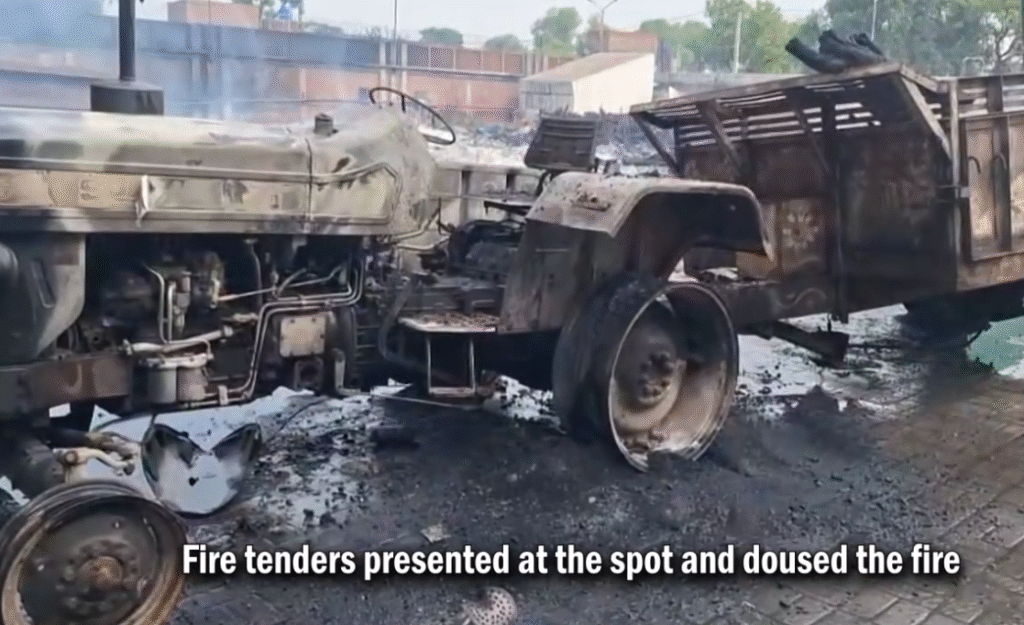
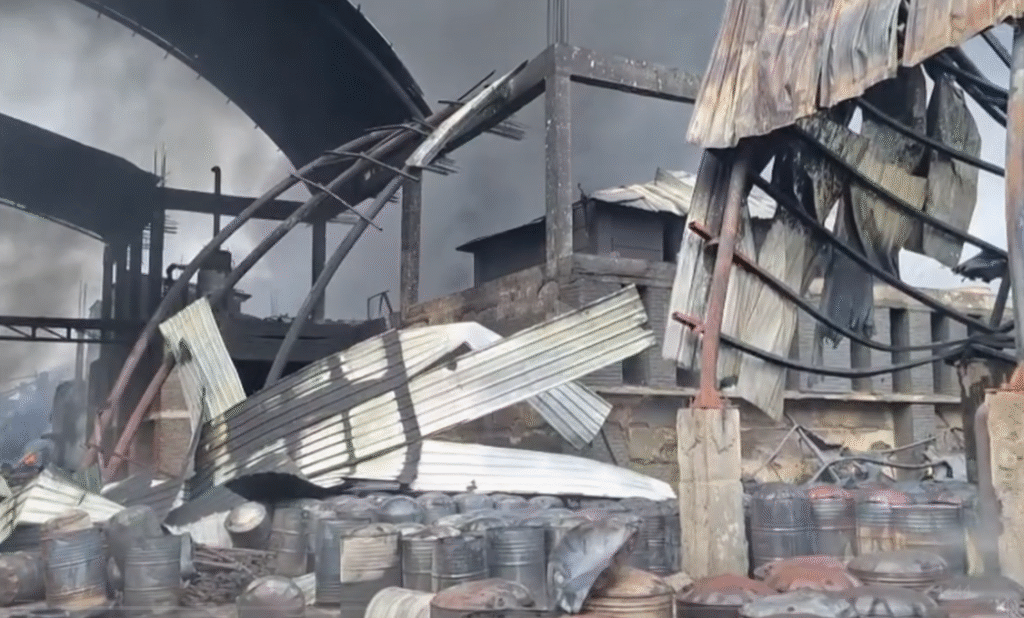
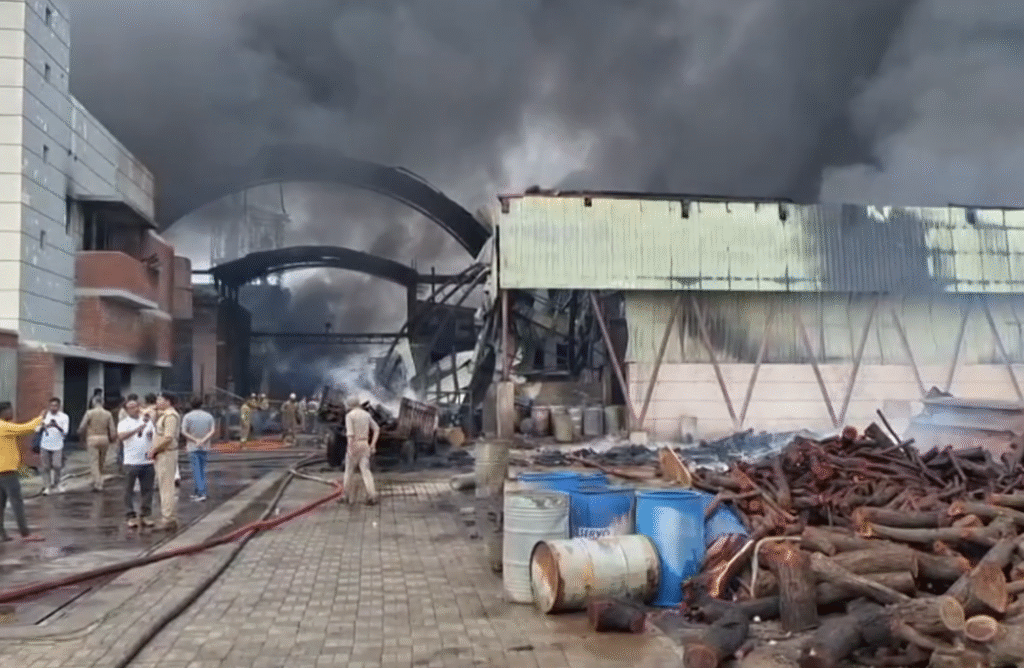
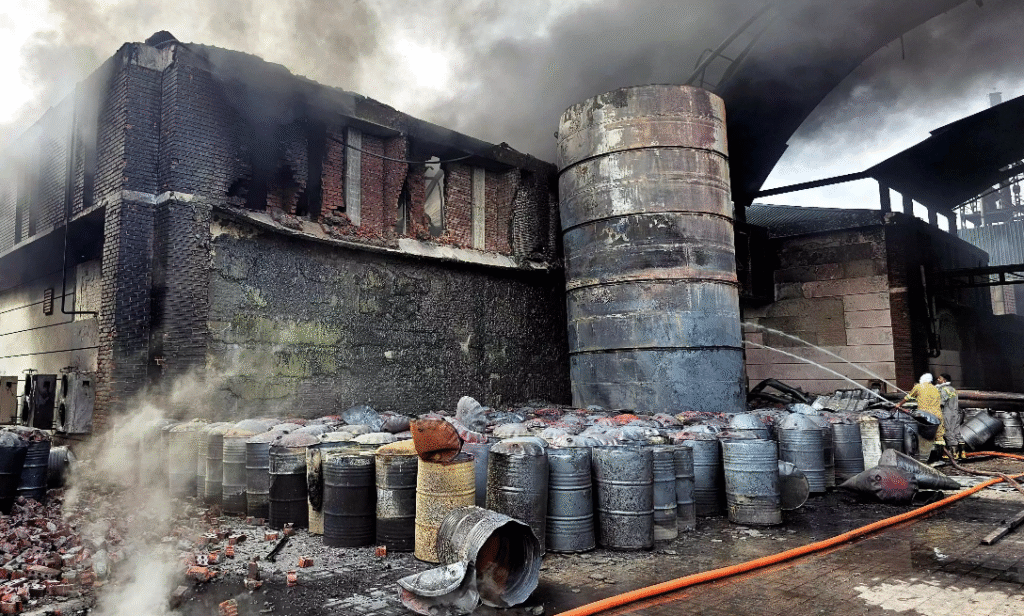
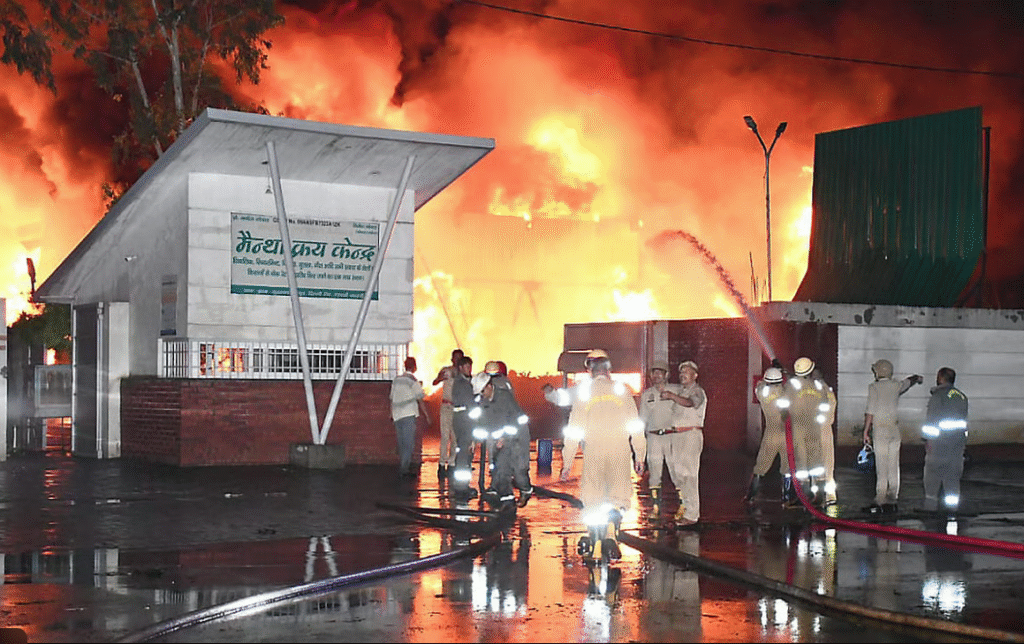
A transformer spark during a storm ignited a village fire that destroyed around 200 homes; no human deaths were reported, one person was burned and livestock were killed.

Date21 May 2025LocationTappa Jamni village, Ujhani area, Budaun district, Uttar Pradesh, India
01
Case Study

What happened here
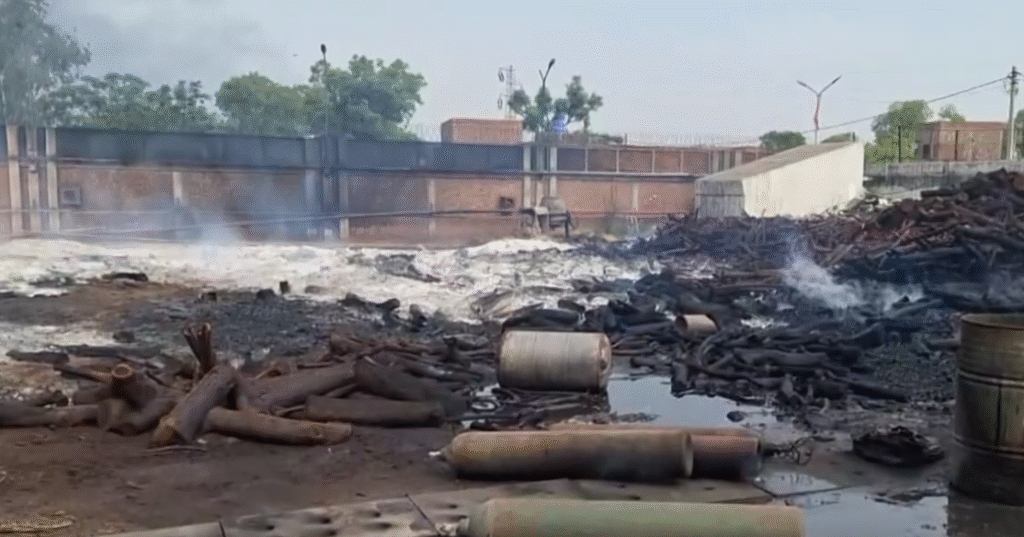
Homes destroyed or guttedAbout 200
Human deaths0 reported
People injured1 burned
Trigger reportedTransformer spark during storm
Additional lossMultiple cattle killed

What we can say safely

A transformer spark during a storm ignited a village fire that destroyed around 200 homes; no human deaths were reported, one person was burned and livestock were killed.

  1. Strong wind and storm affect Tappa Jamni
  2. A spark is reported from electrical equipment
  3. Wind carries fire through closely spaced homes
  4. Residents flee and attempt rescues
  5. Fire, police and district administration assess housing and livestock losses

Why consequences escalated

  • Wind can turn one electrical ignition into a settlement-scale fire
  • Closely spaced combustible roofs and stored fodder promote fire spread
  • Distribution equipment needs vegetation clearance and storm inspection
  • Villages need accessible water points and fire breaks
  • Relief planning must include livestock, shelter and identity documents

Failures and risk multipliers

  • Failing to separate ignition hazards from vulnerable people or combustible stock
  • Relying on a single escape route
  • Allowing alarms, suppression or electrical protection to remain unverified
  • Failing to plan for people who need assistance
  • Delaying emergency notification or responder access

People closest to the evidence

“Safety lesson”

The actual occupied condition—not the approval file—determines whether people can detect, escape and survive a fire.

Actions that reduce risk

  1. Inspect electrical and process hazards
  2. Test alarms, emergency lighting and suppression
  3. Walk every exit to open air
  4. Plan assistance for children, patients and disabled occupants
  5. Keep fire-service access and water points clear
  6. Run a realistic drill and close recorded defects
02
Watch & learn

Playable video library

Captions
Official guidance

Fire Safety

Bureau of Indian Standards · Hindi/English

Building fire-safety overview

03
Incident data

The broader evidence

Survival sequence

  1. Raise the alarm and call 112
  2. Use the nearest safe stair, never an ordinary lift
  3. Stay low beneath smoke and close doors
  4. Assist only within your training and without blocking escape
  5. Report at the assembly point
  6. Do not re-enter
200Homes affectedDistrict official estimate
0Human deathsDistrict Magistrate statement
1Person burnedTreated at community health centre
6Incident imagesExisting gallery
200Homes affectedDistrict official estimate
0Human deathsDistrict Magistrate statement
1Person burnedTreated at community health centre
6Incident imagesExisting gallery

Limitations

  • Early reports may differ from final inquiry totals. Causation is described as preliminary unless an operative official finding is cited.

Immediate actions

  • Test the alarm
  • Open every exit without a key
  • Remove combustibles from escape paths
  • Confirm 112 and the complete address are displayed
  • Assign wardens and assistance roles
  • Record and close defects
Sources and further readingPTI report quoting Budaun District Magistrate ↗Central Electricity Authority safety regulations ↗Last reviewed 2026-09-01