
Electrical Fire Safety Audits For Religious Places
What needs attention
- Electrical safety and crowd safety are inseparable where a small ignition can trigger smoke, panic and crushing
- Temporary festival loads and unauthorised modifications can invalidate assumptions used in the permanent electrical design
- Old or heritage structures may contain combustible construction and concealed wiring that need specialised assessment
- Commercial stalls, decorative material, oil lamps, kitchens, fireworks and electrical equipment create interacting hazards
- An audit must result in tracked corrective work; a checklist alone does not remove risk
- Emergency isolation should be accessible to authorised people without requiring entry into the fire area
Controls that reduce risk
- Appoint a competent electrical professional and define the audit scope in writing
- Create a single-line diagram and circuit schedule that match the installation on site
- Measure expected festival demand and identify temporary and vendor loads before connection
- Inspect earthing, residual-current and over-current protection, terminations, panels, cables and thermal damage
- Use compliant equipment and weather/mechanical protection for outdoor temporary installations
- Separate electrical equipment from combustibles, LPG, oil lamps and pyrotechnic storage
- Coordinate electrical isolation, alarm, evacuation, crowd control, first aid and fire-service access
- Close every finding with evidence, responsible person and due date; repeat checks after material changes
Understand and apply the guidance
It is impossible to imagine human life without electricity. Electricity is unique in that it is not visible, yet if not used properly, it may hit very hard, killing, disfiguring, and crippling people. As a result, electrical safety is becoming increasingly important in our daily lives, particularly in religious buildings and temples where big crowds gather. Every day, we hear of incidents in various regions of the country caused by electrical short circuits, people being electrocuted, and fires caused by electrical cables and wires catching fire, resulting in the loss of valuable human life and assets, materials, and homes..
The following are the key reasons of such accidents:
- Ignorance.
- A lack of knowledge.
- Inadequate and infrequent maintenance.
- Taking shortcuts and failing to follow safety measures.
- Insufficient training.
- Using the incorrect tools.
- Failure to conduct frequent electrical safety audits on electrical systems.
Periodic electrical safety audits (similar to Master health check-ups) assist in identifying vulnerable dangers and risks in electrical systems and implementing prompt corrective steps to safeguard human life, assets, and properties. This applies to every location where electricity is used. More so in venues where huge crowds gather, such as temples, religious ceremonies, parks, cinemas, shopping malls, weddings, and other social gatherings. When an accident of any kind occurs in these areas, in addition to the damage caused by the original source, there will be a high level of panic among the population, resulting in secondary accidents such as stampedes, falls from great heights, pushing, and so on.
The severity of such catastrophes rises in sites of huge gatherings since these areas are frequently packed, surrounded by numerous small and large commercial shops/retail outlets and other structures, and even a little fire can quickly evolve into a significant accident. We have recently witnessed a few similar accidents that may have been averted if suitable preventive measures and working conditions had been in place.
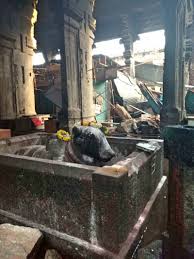
a) Fire disaster in Madurai’s Meenakshi Sundareswarar Temple- around 36 shops were burnt and Veera Vasantharayar Mandapam partially fell as a result of a fire accident on the premises of Meenakshi Sundareswarar Temple.


b) Another terrible occurrence occurred when a big fire broke out at the Puttingal temple in Paravur, Kerala’s Kollam district, killing at least 102 persons.
c) Two children out of eleven are electrocuted as the wire becomes entangled in the Tamil Nadu temple chariot procession.
Common unsafe practices
- Adding decorative lighting, heaters, sound systems or stalls without a load calculation and protective coordination
- Using damaged flexible cable, loose joints, multi-plug adapters or unprotected temporary wiring in crowded routes
- Replacing a tripping protective device with a higher rating instead of finding the fault
- Running electrical wiring beside combustible decoration, cooking fuel or fireworks
- Locking distribution rooms, exits or gates without an immediately available emergency procedure
- Allowing vendors to connect independently without inspection and circuit identification
- Ignoring crowd density, panic behaviour and secondary incidents in the emergency plan