
What happened here
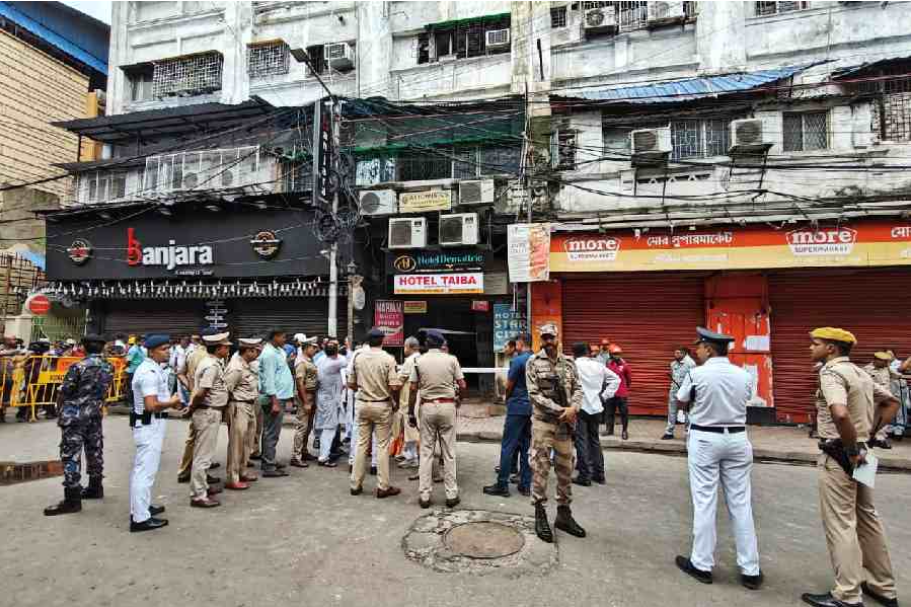 1 / 5
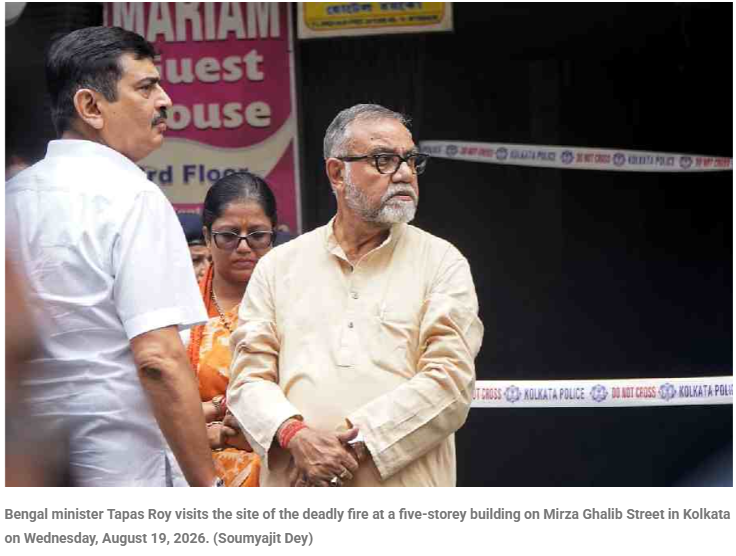
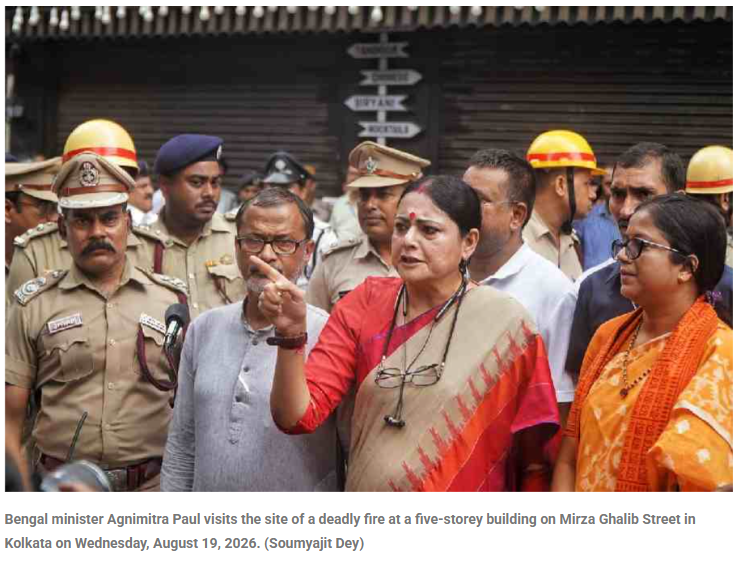
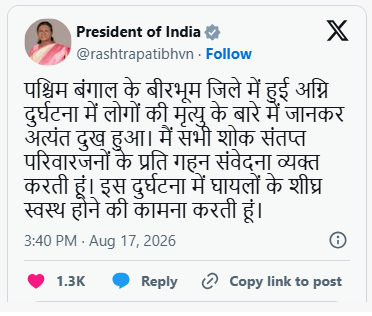
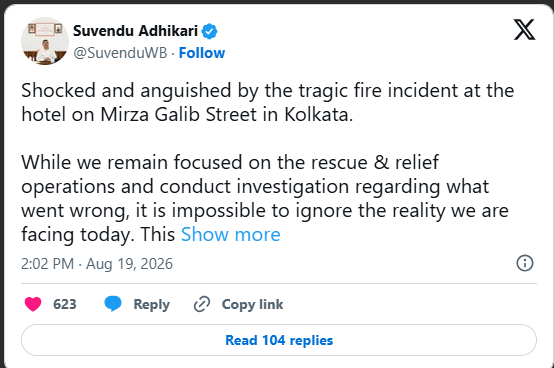
1 / 5 A predawn fire in a five-storey building housing several hotels killed nine people, injured six and led authorities to inspect nearby guesthouses and restaurants.
📅 Date & Location
Date: 19/08/2026
Location: Mirza Ghalib Street / Free School Street, Kolkata, West Bengal, India
🕯️ What Happened?
Around 1:45–2:00 AM, fire broke out in a cramped five-storey building housing hotels, when most guests were sleeping.
Dense smoke quickly entered rooms and stairways.
- 9 people died, including a 4-year-old child
- 6 people were injured
- Around 80 people were rescued
- Firefighters struggled to reach upper floors through heavy smoke
Initial reports suggest an AC blast/electrical fault, but the exact cause remains under investigation.
🔍 Core Mistakes / What Went Wrong?
- ❌ Fire started during sleeping hours
- ❌ Dense smoke affected the staircase/escape route
- ❌ Reports point to narrow exits and ventilation deficiencies
- ❌ Guests were in an unfamiliar building, making escape harder
- ❌ Fire spread before many occupants could safely evacuate
⚖️ Truth You Must Know
🔴 In a hotel fire, smoke can become the biggest immediate threat, even before flames reach your room.
🔴 Firefighters themselves faced difficulty climbing the staircase because of dense smoke.
🔴 The reported AC explosion is preliminary — the final ignition cause has not yet been established.
🔴 When staying somewhere unfamiliar, discovering the emergency exit after the fire starts may already be too late.
🧯 How This Could Have Been Prevented
- ✅ Working smoke detectors & alarms
- ✅ Clear, adequately sized escape routes
- ✅ Emergency lighting and exit signage
- ✅ Electrical/AC preventive maintenance
- ✅ Smoke-control and ventilation measures
- ✅ Trained hotel staff + regular evacuation drills
🛡️ How to Survive a Hotel Fire
Before sleeping:
✔ Find 2 possible exits and count doors to the staircase.
If alarm/smoke starts:
✔ Wake others and leave immediately
✔ Never use the lift
✔ Stay low beneath smoke
✔ Check a door for heat before opening
✔ Never return for luggage
If the corridor is filled with dangerous smoke:
✔ Don’t blindly enter it
✔ Keep the door closed, seal gaps if possible
✔ Call 112 / 101, give your exact room/location
✔ Signal rescuers from a safe window
8. 📊 Incident Snapshot
| Time | ~1:45–2:00 AM |
| Deaths | 9 |
| Injured | 6 |
| Rescued | ~80 |
| Building | 5 storeys |
| Suspected ignition | AC/electrical fault — not yet confirmed |
📽️ Visuals





🙏 Voices That Matter
“Dense smoke made it difficult for firefighters to climb the staircase and reach the upper floors.”
— Police officer quoted by PTI
📢 Systemic Lesson
A hotel room is temporary. Your safety responsibility is not.
Hotels need working fire systems, but guests also need 30 seconds of awareness before sleeping:
Where is my exit? What is my second exit? What will I do if I wake up to smoke?
💡 What You Can Do Today
✅ Check emergency exits whenever you enter a hotel
✅ Never ignore an alarm or smell of burning
✅ Report blocked/locked emergency exits
✅ Teach your family “Stay Low – Find Exit – Never Use Lift”
✅ Share this case study — train the mind before the emergency
📌 Tags
#KolkataHotelFire #HotelFireSafety #HowToSurvive #CaseStudy #SurvivalAwareness #FireSafety #EmergencyPreparedness #EveryLifeMatters
🔚 Closing Line
An emergency gives you seconds to think. Awareness gives you those seconds before the emergency begins.
This is why we started HowToSurvive.in — so no life is lost due to silence or ignorance.
- Fire breaks out while guests are sleeping
- Upper rooms and corridors become difficult to escape
- Five engines, police and disaster teams attend
- At least 80 people are reportedly brought out
- Kolkata Police forms a seven-member SIT
Why consequences escalated
- Sleeping guests require automatic detection that wakes every room
- Windowless rooms and smoke-filled corridors remove survival options
- Every hotel needs two protected, signed and illuminated escape routes
- Guest registers support immediate accountability
- Inspection findings must be closed, not repeatedly deferred
Failures and risk multipliers
- Allowing sleeping or crowd occupancy without a risk-specific plan
- Depending on one escape path
- Treating an unverified cause claim as a final investigation finding
- Failing to control fuel, combustible stock or structural loads
- Leaving inspection defects unresolved
People closest to the evidence
““Safety principle””
Detection, separation, stable construction and redundant escape must be established before people enter the hazard area.
Actions that reduce risk
- Verify alarms and two escape routes
- Keep exits and emergency access clear
- Separate sleeping areas from fuel, cooking and storage
- Control crowds outside structural fall zones
- Record inspections and close every defect
- Call 112 with the exact location
Leave a comment