
Essential Personal Protective Equipment
What needs attention
- The legacy article listed useful component categories but treated all work with fire as though the same items applied
- Fire-resistant clothing can limit injury but does not make deliberate flame contact or uncontrolled fire exposure safe
- A fabric trade name does not establish a garment's tested performance, construction, coverage or compatibility
- Firefighter turnout gear and industrial heat-and-flame clothing serve different operating scenarios and standards
- Welding protection must also address ultraviolet and infrared radiation, fume, electric shock, noise and molten particles
- Eye protection selected for impact alone may not have the correct welding shade or splash protection
- A face shield commonly supplements rather than replaces suitable primary eye protection
- A hard hat is not automatically a firefighter helmet, electrical helmet or heat-protective helmet
- General leather or fabric gloves may fail against chemicals, electricity, heat or cut hazards; glove material and cuff interface must match the task
- Safety footwear selection must distinguish heat, molten-metal, slip, puncture, crush, chemical and electrical hazards
- Air-purifying respirators do not create clean air, supply oxygen or cover unknown fire gases
- More PPE can introduce heat strain, reduced hearing, fogging, snagging, fatigue and communication problems that need control
- Communication devices must remain usable without compromising hearing protection, face seals or protective interfaces
- High-visibility garments can melt or add a flammable layer unless suitable for the heat/flame hazard
- PPE must be reassessed when materials, process, voltage, ventilation, confined-space condition or emergency role changes
Controls that reduce risk
- Create a task-by-task PPE matrix instead of a single workplace list
- For each task, document energy source, atmosphere, heat, flame, splash, radiation, impact, noise and emergency conditions
- Record which hazards were eliminated, isolated, ventilated or otherwise controlled before PPE
- Map each residual hazard and body area to an applicable standard and performance class
- Verify BIS licence or certification claims through official channels where applicable
- Reject vague labels such as fireproof, chemical-proof or electrical-safe without test and rating evidence
- Require supplier declarations, instructions, limitations, compatibility information and replacement support
- Trial multiple sizes and models on actual workers performing representative movements
- Check interfaces between eyewear, respirator, helmet, hood, clothing, gloves, boots, harness and radio
- Establish respiratory protection by atmosphere and exposure assessment, not odour or visible smoke
- Provide model-specific training, fit testing and emergency drills before issue
- Set inspection, cleaning, decontamination, storage, repair and retirement responsibilities
- Provide heat-stress controls and ensure PPE does not block alarms or communication
- Quarantine damaged, contaminated or involved-in-incident equipment
- Review the matrix after process, chemical, voltage, material, location, staffing or incident changes
Understand and apply the guidance
Introduction
When it comes to working with fire, whether as a firefighter, industrial worker, or in other specialized fields, safety is paramount. The intense heat, potential for burns, and exposure to hazardous fumes require a comprehensive set of Personal Protective Equipment (PPE). In this article, we’ll explore the essential PPE required for individuals working with fire to ensure their safety and well-being on the job.
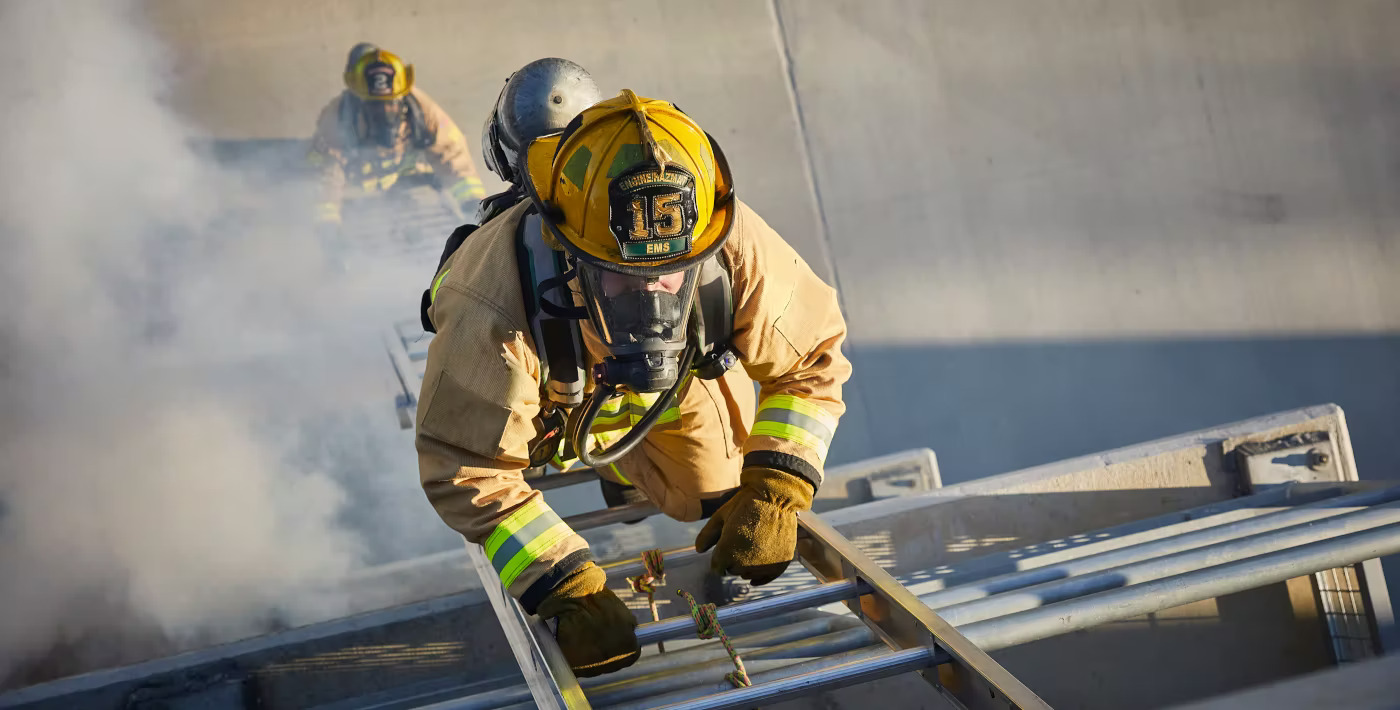
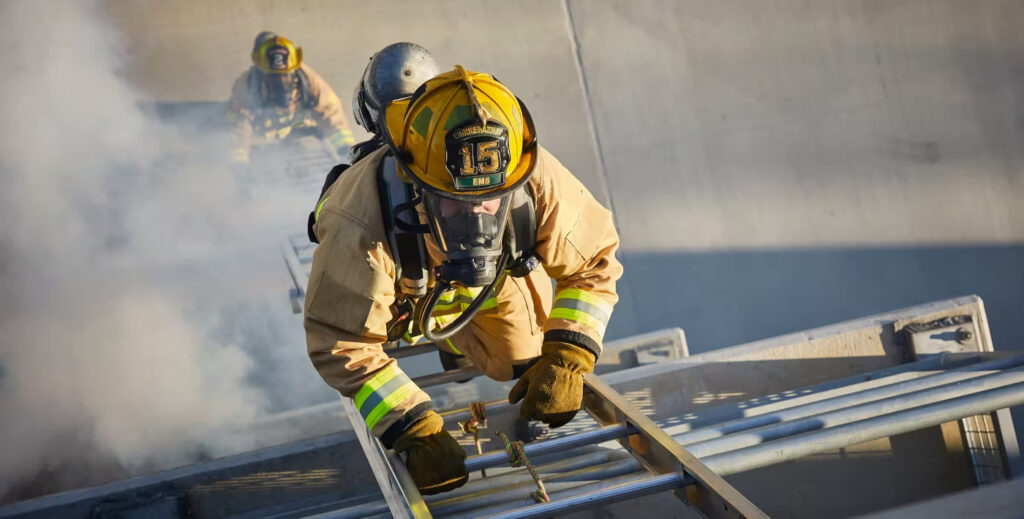
- Fire-Resistant Clothing:- The foundation of PPE for working with fire is fire-resistant clothing. This includes fire- resistant coveralls or suits made from advanced materials like Nomex, Kevlar, or similar fire- retardant fabrics. These suits provide a barrier between the wearer’s skin and the flames, offering protection from radiant heat, direct flame contact, and hot particles. Fire-resistant clothing is designed to self-extinguish if ignited, minimizing the risk of severe burns.
- Fire-Resistant Gloves:- Hands are particularly vulnerable to burns when working with fire. Fire-resistant gloves, often constructed from similar materials as fire-resistant clothing, provide a crucial layer of protection for the hands and wrists. These gloves not only shield against heat and flames but also offer grip and dexterity, enabling workers to handle tools and equipment safely and efficiently.
- Fire-Resistant Footwear:- Feet are at risk of burns, punctures, and other injuries when working around fire. Fire- resistant footwear, often incorporating heat-resistant soles and built-in protection, ensures that the feet are shielded from heat and potential debris. These boots are also designed to be slip-resistant, providing stability on various surfaces while working in hazardous environments.
- Protective Eyewear and Face Shields:- Eye protection is vital when working with fire due to the potential for flying debris, hot embers, and intense light. Protective eyewear with impact-resistant lenses shields the eyes from these hazards. In situations where there is a risk of facial burns or splashes, a face shield can be worn in combination with the eyewear to provide comprehensive protection.
- Helmets and Headgear:- Head protection is essential in environments where falling debris, collapsing structures, or impact risks are present. Firefighting helmets, often made of heat-resistant materials, not only guard against head injuries but also incorporate features like face shields, neck protectors, and chin straps for added safety. These helmets are designed to withstand high temperatures and provide a secure fit for the wearer.
- Respiratory Protection:- Smoke, toxic gases, and particulates are significant hazards when working with fire. Respiratory protection, such as self-contained breathing apparatus (SCBA) or air-purifying respirators, ensures that workers have access to clean and breathable air. SCBA units are especially crucial for firefighters, allowing them to work in smoke-filled environments while maintaining respiratory safety.
- Communication Gear:- Effective communication is essential for coordination and safety during fire-related operations. Communication systems like two-way radios integrated into the PPE enable workers to stay connected with their team members and relay crucial information even in noisy or chaotic environments.
- High-Visibility Elements:- In situations involving firefighting or emergency response, high-visibility elements are vital to ensure that workers are easily identifiable to their colleagues and to maintain coordination. Reflective strips, patches, and clothing ensure that workers can be seen even in low-light conditions, reducing the risk of accidents and improving overall safety.
Conclusion
Working with fire demands a comprehensive set of Personal Protective Equipment to safeguard individuals from the various hazards posed by flames, heat, debris, and toxic fumes. Each piece of PPE serves a crucial role in creating a multi-layered barrier between the worker and the potentially life-threatening elements. Fire-resistant clothing, gloves, footwear, eyewear, helmets, respiratory protection, communication gear, and high-visibility elements collectively form the arsenal that protects those who take on the challenging task of working with fire.
While these PPE components provide a significant level of protection, it’s also essential for individuals to receive proper training in their use, maintenance, and limitations. With the right PPE and a commitment to safety protocols, workers can perform their duties with confidence, knowing that they are equipped to face the dangers of fire head-on while minimizing risks to their health and well-being.
Common unsafe practices
- Buying one generic fire kit for every role
- Choosing PPE by colour, price, fabric name or seller claim instead of hazard and standard
- Using PPE before attempting feasible elimination, isolation or ventilation
- Wearing meltable synthetic underlayers beneath heat or flame PPE without validation
- Assuming flame-resistant clothing is automatically arc-rated or chemical-resistant
- Using ordinary safety glasses for welding radiation or splash work
- Wearing a face shield without required primary eye protection
- Using the wrong glove material or leaving a wrist gap
- Selecting boots only for toe protection while ignoring heat, molten metal, slip, puncture, chemical or electrical hazards
- Using a filter respirator for unknown smoke, oxygen deficiency or IDLH conditions
- Skipping respirator medical clearance, fit testing, seal checks or cartridge change planning
- Mixing components that interfere with facepiece seals, helmet fit, hearing, radio or fall protection
- Ignoring heat strain because the clothing is certified
- Continuing after smoke, gas, heat or chemical conditions change
- Allowing contaminated PPE into vehicles, canteens, offices or homes
- Modifying, patching or cleaning certified PPE with unapproved materials and methods
- Returning exposed or damaged equipment without inspection and documentation