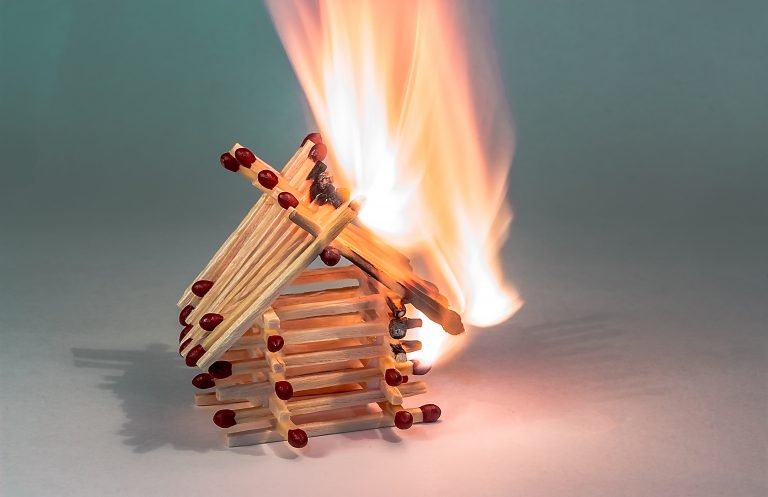
Moving day changes the home's risk: unfamiliar exits, blocked passages, temporary extension leads, cardboard packaging, new appliances, LPG connections and contractors can all coincide. Start with life safety. Locate every usable exit and stair, confirm doors and windows open, choose an outside meeting point, record 112, and plan assistance for children, older adults, people with disabilities and pets. Test smoke alarms monthly; follow the alarm manufacturer's placement, replacement and battery instructions, and use a qualified electrician for hard-wired units. Inspect wiring, earthing, protective devices and high-load circuits; verify LPG equipment and ventilation; control kitchen, candle, smoking, inverter, battery and EV-charging hazards. Apartment buyers should also review common alarms, emergency lighting, exit signs, fire doors, stairs, access for responders and maintenance records. Fire extinguishers are a secondary layer for trained adults facing a small, contained fire with a clear escape route—not a reason to delay evacuation.
TopicFire Safety · Home SafetyUpdated2026-08-31
01
The guide
Fire Safety Tips After Buying a New Home
Key risks
What needs attention
The legacy post's advice to check smoke-alarm batteries monthly has been corrected: test the alarm monthly, while battery replacement depends on whether it uses a replaceable, sealed long-life or hard-wired backup battery
The familiar recommendation for alarms in bedrooms, outside sleeping areas and on each level comes from U.S. public guidance; in India it should be presented as a strong safety benchmark alongside the manufacturer's instructions and adopted local rules
A property inspection may not verify current fire-system operation, household electrical loading, LPG installation, unapproved alterations or the needs of vulnerable residents
An occupancy certificate, fire NOC or maintenance label should be checked against the real installation and current records rather than treated as proof by itself
Two routes from every room are desirable but not physically available in every Indian flat; the plan must identify the safest viable route and what to do if smoke blocks it
Common stairs, fire doors, alarms, emergency lighting, hydrants, pumps and responder access are shared life-safety assets, so an apartment owner cannot assess only the inside of the flat
Temporary moving-day wiring and accumulated cartons create a short-term risk that is absent from most purchase checklists
Electrical protection is a system: cable size, joints, earthing, protective devices, enclosure, isolation and load all matter; adding one MCB or RCCB does not cure unsafe wiring
LPG odour demands ignition control and evacuation; operating a switch, fan, appliance or phone beside the leak can provide the spark
A child-focused plan should teach escape and reporting, not assign firefighting duties
Residents with hearing, vision, mobility or cognitive needs may need compatible alarm accessories, bedroom location changes, assistance assignments and a backup escape strategy
A home extinguisher is useful only when selected, maintained and used without sacrificing escape time
Prevention checklist
Controls that reduce risk
Photograph and record the make, model, location and date of every smoke alarm
Test each alarm using its test button and replace expired, damaged or painted units
Draw the home and mark doors, windows, stairs, obstructions, meeting point and two routes where physically possible
Walk the route in darkness and verify every resident can unlock doors and open windows or grilles
Save 112, LPG emergency helpline 1906, the society security desk and local maintenance contacts
Ask a qualified electrician to inspect suspect wiring, earthing, protection and high-load circuits
Label the electrical distribution board and keep the main isolation accessible
Check LPG cylinder, regulator, hose, ventilation and shut-off before first use
Move cartons, shoes, furniture, cycles and storage away from exits, stairs, fire doors and equipment
Ask for current common-system inspection and test records, not only installation certificates
Identify who assists each child, older adult, visitor, pet and person with a disability—and nominate a backup
Place keys where occupants can reach them quickly without compromising security
Keep cooking unattended for zero time, clean grease from the hob and chimney, and keep combustibles away
Use only approved charging equipment on a suitable circuit; stop using swollen, hot, damaged or recalled batteries
Choose and learn an appropriate extinguisher only after escape and alarm arrangements are in place
Practical guide
Understand and apply the guidance
You probably don’t think about fire safety when you buy a new home.
The fun part of moving into a new home is figuring out where to put your furniture, which bedroom everyone will use, and where to hang that painting you love. But in the middle of all that nesting, it’s important to take some time to make a plan for fire safety for you and your family.
Here are some ways to keep your new home safe from fire.
Take note of all smoke alarms and check the batteries regularly.
After you move in, make sure you know where the smoke and fire alarms are and check the batteries. You should have an alarm on each floor of your home, in each bedroom, and outside any sleeping areas.
If you need more, get them set up as soon as you can. You should also check the batteries in each alarm once a month to make sure they are still working. If the batteries need to be changed, you should do so right away.
Create a Fire Escape Plan
The American Red Cross says that if your house is on fire, you may have less than two minutes to get to safety. That’s why it’s important for everyone in your family to know how to get out of the house if there’s a fire.
You can use this graph to make a floor plan of your home and plan out how to get out of it. Every member of your family should know two ways out of every room in your house. Twice a year, go over your escape plan.
Designate an Outdoor Meeting Spot
In case of a fire, everyone in your family will need to meet in a safe place outside. The spot could be at a neighbor’s house, at the curb by your mailbox, or anywhere else that is a safe distance from your house. When you go over your fire escape plan, practice meeting at the spot outside.
Get Serious About Fire Prevention
Assuming that your new home was inspected before you bought it, you should know about any structural fire risks, like old wiring, broken appliances, or loose insulation in the attic. If you have any of these problems, you may want to hire a contractor or find a good handyman, depending on the problem.
But that doesn’t mean you can’t be careful about smaller fire risks that happen every day, like putting flammable things too close to a stove, space heater, or radiator, or blowing a fuse by plugging too much into an electrical outlet.
If you have kids, it’s important to talk to them about how to stay safe in case of a fire. Talk to them about how to use matches, candles, appliances, and fireplaces properly. Tell them that these things can start fires and that, if they are very young, they shouldn’t touch or use any of them without an adult there.
Fire safety and fire prevention are very important if you want to keep your family safe, especially after you move into a new home. By taking the time to make a fire safety plan, pick a place to meet outside, and take other steps to prevent fires, you’ll keep your family and that new home safe.
Mistakes to avoid
Common unsafe practices
Assuming the sale inspection, occupancy certificate or fire NOC means every system currently works
Unpacking boxes into corridors, balconies, stairs, fire-door swing areas or near electrical equipment
Removing, silencing, painting over or relocating a smoke alarm because cooking or steam triggers nuisance alarms
Replacing batteries on a calendar without testing the alarm or checking whether the unit has a sealed battery and end-of-life date
Allowing unqualified alterations, taped joints, loose sockets, overloaded power strips or multiple high-load appliances on one circuit
Installing an EV charger, inverter, battery, AC or geyser on an undersized shared circuit
Storing an LPG cylinder horizontally, in an enclosed cabinet or close to heat and ignition sources
Using a switch, exhaust fan, match, lighter or phone beside a suspected LPG leak
Locking exit grilles or doors so occupants cannot open them quickly from inside
Using the lift during fire or opening a smoke-filled stair door without checking conditions
Returning for valuables or pets after escaping
Teaching children where extinguishers are but not how to leave independently and meet outside
Failing to assign help and a backup helper for older adults, children or people with disabilities
Buying an extinguisher without training, inspection access or a clear understanding of when to abandon the attempt
02
Watch & learn
Related Videos
Captions
Home fire response and extinguisher safety
Fire Safety Tips and How to Use a Fire Extinguisher
BBC News Hindi · Hindi · Verified
Verified with YouTube oEmbed
03
Facts & action
Evidence, Cases & Next Steps
112Pan-India emergency numberFire, police, medical and other emergency response
1906All-India LPG emergency helplineReport an LPG leakage emergency from a safe location
1 monthSmoke-alarm test intervalPress the test button and follow the manufacturer's instructions
Evidence chart
Immediate life-safety priority; test with every household memberEscape routes and door operation
Early warning; placement and maintenance must match device and local requirementsSmoke alarms and warning
Hidden defects and new loads can create ignition or shock riskElectrical wiring and protection
Frequent ignition and fuel sources; shut-off and ventilation knowledge essentialLPG and cooking
Alarm, stairs, doors, lighting, hydrants, pumps and access affect every flatApartment common systems
Assistance and independent escape capability must be plannedChildren and dependent residents
New energy equipment changes load, chemistry and responder risksBattery, inverter, solar and EV charging
Secondary to warning and escape; training and correct selection requiredExtinguisher readiness
Reveal design intent and unresolved impairments but must be checked on siteDocuments and maintenance records
Temporary cartons and leads can obstruct exits and add fuelMoving-day housekeeping
First priority | A clear, practised escape route for every person in the home
Emergency number | Dial 112 in India from a safe place for fire, police or medical response
Smoke alarms | Test monthly; replace the alarm or battery only according to the manufacturer's instructions and applicable local requirements
Sleeping protection | Widely used public guidance recommends alarms inside bedrooms, outside sleeping areas and on every level; confirm the selected product and local requirements
Apartment escape | Know both available stairs or alternative routes; never use a lift during fire unless responders expressly direct it
Electrical audit | Qualified electrician to assess wiring, distribution board, earthing, MCB or protective devices, RCCB or RCD protection, socket loading and dedicated high-load circuits
LPG leak | Do not operate electrical switches or use flame; close the valve if safe, ventilate naturally, leave and call LPG emergency helpline 1906 from outside
Building records | Check occupancy documentation, applicable fire approval or NOC, system test records, drill records and unresolved defects with the owner or residents' association
High-load equipment | Air-conditioners, geysers, induction cooktops, ovens, inverters, batteries and EV chargers need correctly sized, protected circuits
Small-fire rule | Attempt an extinguisher only if trained, the fire is small, the correct extinguisher is available and the exit remains behind you
Do This Today
Immediate prevention actions
Save 112 and LPG emergency helpline 1906
Clear every corridor, exit door, stair and fire-door area
Press the test button on each smoke alarm and read its date and instructions
Find the electrical main switch and LPG shut-off without operating them unnecessarily
Check sockets, plugs, cords, chargers and the distribution board for heat, damage or improvised work
Choose an outside meeting point everyone can describe
Walk the main escape route and one alternative where available
Assign help and backup help for each dependent resident
Ask the society or owner for the latest fire-system inspection and defect record
Book a qualified electrical or LPG service visit for any doubt—do not improvise repairs
If Fire Starts
Emergency survival steps
Raise the alarm immediately and tell everyone to leave
Use the nearest safe exit; if smoke blocks it, use the planned alternative rather than pushing through dense smoke
Stay low beneath smoke and close doors behind you when this does not delay escape
Use stairs, not the lift, unless firefighters expressly direct otherwise
Do not stop to collect possessions and never go back inside
Go to the outside meeting point and account for everyone
Call 112 from outside; give the full address, floor, access point, fire location and information about trapped or vulnerable people
Tell responders about LPG cylinders, batteries, solar or inverter systems, EV charging, oxygen cylinders and electrical isolation
If trapped, close the door, seal visible gaps if possible, call 112, state your exact room and signal from a window or balcony without jumping
Attempt a small-fire extinguisher only if trained, the correct unit is immediately available, smoke is not building and the escape route remains clear
For suspected LPG leakage, avoid switches and flames, close the cylinder valve only if safe, ventilate naturally, leave and call 1906 from outside
Do not re-enter until the fire service says it is safe; have electrical, structural, LPG and affected equipment professionally assessed before reuse
What the data does not show
Limitations
This is a household audit guide, not a property-condition certificate, fire NOC, electrical test report or legal compliance opinion
Indian residential fire requirements vary by state, municipality, building height, occupancy, construction date and approved plan
Public sources do not provide one national open dataset showing smoke-alarm coverage, escape readiness or fire-system condition for individual homes
The two-minute figure is an awareness benchmark from U.S. home-fire guidance, not a guaranteed escape time for an Indian dwelling
Alarm placement and replacement must follow the selected product, adopted standard and local authority requirements
Electrical and LPG faults cannot be cleared by visual inspection alone; use qualified or authorised service personnel
A fire extinguisher recommendation depends on the hazard, occupant capability and local rules
Never test a real alarm interface, fire pump, gas shut-off or suppression system in a shared building without authorisation and coordination