
How Can you Protect Yourself and Your Building in a Time of Emergency?
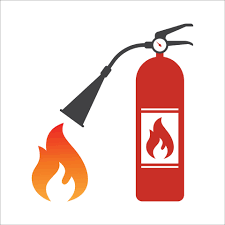
What needs attention
- PASS is a handling mnemonic, not a substitute for hazard recognition and training
- Using the wrong agent can spread burning liquid, conduct electricity or create another exposure
- Smoke can incapacitate a person before flames reach them
- A portable unit has limited agent and effective range, so the decision to withdraw must be immediate
- Extinguishers need access, correct pressure, intact parts, inspection and required maintenance
- The building still needs detection, alarm, protected exits and emergency planning
Controls that reduce risk
- Ask the local fire service or a competent trainer for hands-on extinguisher instruction
- Identify the real fire hazards before selecting extinguisher types and ratings
- Mount and mark extinguishers where they are visible and accessible without entering the hazard
- Check pressure indication, pin, tamper seal, hose, nozzle, body and inspection record
- Replace or service damaged, discharged, corroded or out-of-range equipment
- Teach occupants that evacuation is always acceptable and often the safest choice
- Post the emergency number, address, access instructions and assembly point
- Practise alarm, evacuation and head count separately from extinguisher training
Understand and apply the guidance
Did you know that 84% of the time, fires in buildings with sprinklers don’t get big enough to turn on the sprinklers? This information came from an NFPA study. So how were the fires put out if they didn’t get big enough to set off the sprinklers? Portable fire extinguishers put out most of these fires. When there is a fire, every minute counts, so it is important to learn how to use this tool. A fire extinguisher is one of the best ways to stop a fire from getting worse while waiting for the fire department.
There are times when you should use a fire extinguisher and times when you shouldn’t. When a fire looks small and is only in one place, an extinguisher can be used. It is also important that you have already called the fire department in case the fire becomes dangerous to you and your home. Most importantly, don’t try to put out a fire that has gotten big enough to be dangerous. If a fire is too big for a single portable fire extinguisher to put out, call the fire department and get everyone out of the building.
How to Properly Use a Portable Fire Extinguisher
Steps may change based on the type of fire extinguisher in your building. Most of the time, the following steps are needed to use a fire extinguisher:
- Step 1: Pull the pin to unlock or open the lock or seal.
- Step 2: Point the low end of the extinguisher’s nozzle at the flame’s base.
- Step 3: Squeeze the handle to release the agent that puts out the fire.
- Step 4. Move the nozzle from left to right, covering the base of the flames, until the fire goes out.
- Step 5: Keep an eye on the fire to make sure it doesn’t start up again.
Remember that the best thing to do when there is a fire is to call the fire department. If you call the fire department, they can help you figure out what to do and send help if the fire gets worse or can’t be put out.
Feeling Prepared to Fight a Fire
You don’t have to worry about what to do if a small fire starts at home. Fire extinguishers that you can carry with you are now a safe and effective way to protect yourself in an emergency. You now know when to use the fire extinguisher and how it works. In another study done by the city of Nashville, “87% of the time, building occupants use portable fire extinguishers to put out fires in commercial buildings before the fire department arrives.” This shows that if you know how to use this tool, you can keep yourself and your property from getting hurt badly.
Common unsafe practices
- Trying to extinguish a fire before warning others and calling emergency services
- Allowing fire, heat or smoke to move between you and the exit
- Using water on energised electrical equipment or burning cooking oil
- Entering a smoke-filled room without firefighter protective equipment and breathing apparatus
- Continuing after the extinguisher empties or the fire grows
- Using an extinguisher without knowing its class, condition, range and discharge hazards
- Turning your back on an apparently extinguished fire or re-entering to check it