A functioning PPE programme has named owners, a task-based hazard assessment, approved equipment specifications, individual fitting, traceable issue records, competency-based training, pre-use checks, periodic inspection, exposure-controlled cleaning, repair limits, clean storage, defect reporting and retirement rules. Workers must know when PPE is needed, which equipment applies, how to inspect, don, adjust, use and doff it, its limitations, and what to do when it fails. Supervisors must verify actual use without rewarding shortcuts. Stores and maintenance teams must prevent unapproved substitutions and contaminated or defective equipment returning to service. Occupational health supports medical clearance where required, heat-strain controls and exposure follow-up. Programme performance is measured through overdue inspections, failed checks, fit-test gaps, defects, non-use, contamination transfer, near misses and corrective-action closure—not simply the number of items purchased.
TopicFire Safety · WorkplaceUpdated2026-08-31
01
The guide
PPE-101: A Comprehensive Guide
Key risks
What needs attention
The legacy article called PPE a first line of defence; the safer hierarchy treats it as the last protective layer after source and pathway controls
Buying compliant equipment does not establish a PPE programme or ensure that workers can use it
Training must be equipment-specific and should end with demonstrated competence rather than a signature only
Generic annual training is not enough after a new model, changed task, poor practice, failed fit or incident
A pre-use visual check and a formal periodic inspection serve different purposes and both may be needed
Cleaning can damage protective performance if the wrong chemistry, temperature, machine or drying method is used
Dirty firefighter gear can transfer hazardous substances to skin, apparatus, stations, homes and families
Doffing can expose the wearer when contaminated exterior surfaces touch skin or clean clothing
Shared PPE needs a controlled cleaning, fit and assignment process between users
A respirator programme cannot be reduced to issuing masks; atmosphere, fit, medical suitability, cartridges or air, inspection and emergency use must be managed
Protective equipment that is comfortable but below the required performance is unacceptable; equipment that meets a test but cannot be correctly worn also fails in practice
Unapproved accessories, stickers, drilling, sewing, repainting or replacement parts may compromise protection
Expiry date is not the only retirement trigger; severe exposure, failed inspection, recall, lost records or unavailable repair support matter
Programme auditing should follow defects and behaviours to corrective closure instead of counting toolbox talks
Prevention checklist
Controls that reduce risk
Name a programme owner and component owners for operations, safety, health, training, stores and maintenance
Create one controlled PPE register linking task, hazard, standard, model, wearer, identifier and status
Mark every item as available, issued, due, quarantined, under repair, retired or disposed
Write equipment-specific pre-use and formal-inspection checklists
Define who is competent to inspect, test, clean, repair and release each PPE type
Train workers to demonstrate checks, donning, adjustment, use, doffing and emergency response
Verify respirator medical clearance, fit testing and programme records where applicable
Provide multiple sizes and compatible alternatives rather than tolerating poor fit
Set clean and contaminated routes, containers, transport and storage areas
Post approved cleaning chemistry, temperature, drying and inspection instructions at the cleaning point
Create a red-tag quarantine process that stores cannot bypass
Record exceptional heat, chemical, impact, contamination, failure, near miss and recall events
Make disposal irreversible so retired equipment cannot be picked up and reused
Review hazards and PPE after process, material, standard, product, workforce or incident changes
Practical guide
Understand and apply the guidance
Introduction
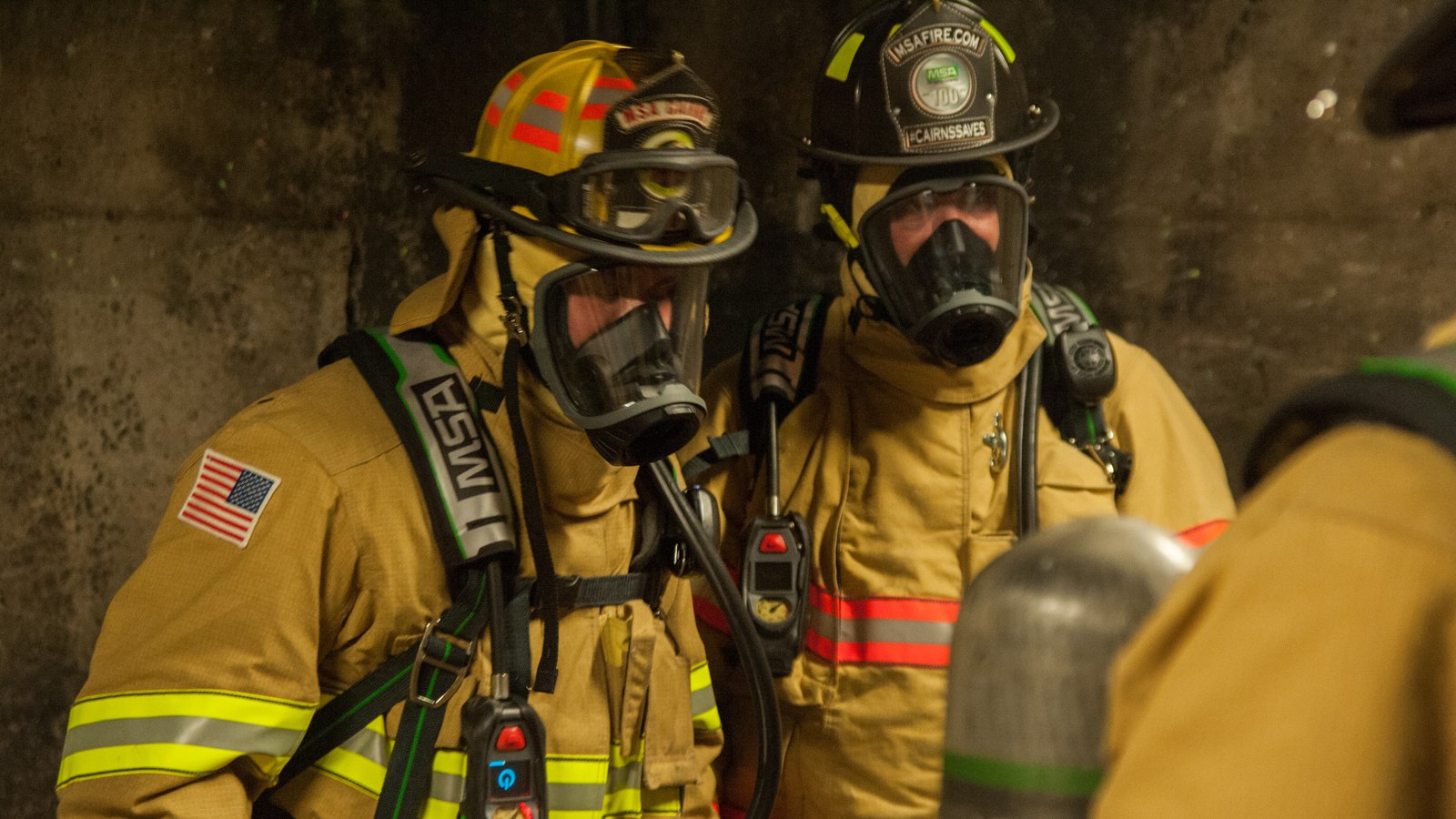
When it comes to fire safety, Personal Protective Equipment (PPE) is your first line of defense against the hazards posed by flames, heat, smoke, and toxic gases. Whether you’re a firefighter, an industrial worker, or someone who deals with fire-related tasks, understanding the essentials of PPE is crucial for your safety. In this guide, we’ll dive into the basics of PPE for fire safety, helping you make informed decisions to protect yourself in hazardous environments.
The Importance of PPE in Fire Safety:- PPE serves as a barrier between you and the potential dangers of fire-related activities. It not only prevents burns and injuries but also ensures that you can perform your tasks confidently and effectively. PPE is designed to withstand extreme conditions, providing you with the necessary protection to work safely in the presence of flames, radiant heat, toxic fumes, and falling debris.
Key Components of Fire Safety PPE:- Understanding the different components of fire safety PPE is essential for selecting the right gear for your needs. Here are the key elements to consider:
Fire-Resistant Clothing: Fire-resistant coveralls, suits, or jackets made from materials like Nomex and Kevlar offer protection against heat and flames. These materials are designed to self-extinguish and prevent the spread of fire.
Gloves: Fire-resistant gloves provide a vital layer of protection for your hands and wrists. Look for gloves with excellent heat resistance and dexterity to handle tools and equipment safely.
Footwear: Fire-resistant boots with heat-resistant soles protect your feet from burns and debris. They should also offer support, comfort, and slip resistance for improved mobility.
Eye Protection: Protective eyewear with impact-resistant lenses shields your eyes from hot embers, intense light, and debris. Clear vision is crucial when working in challenging environments.
Respiratory Protection: Depending on the level of smoke and toxic gases, you might need different types of respiratory protection. Self-contained breathing apparatus (SCBA) or air- purifying respirators ensure you have clean air to breathe.
Headgear: Helmets with integrated face shields, neck protection, and chin straps safeguard your head and face from falling objects and impact.
Choosing the Right PPE:- Selecting the appropriate PPE involves a careful assessment of your specific needs and the hazards you’ll encounter. Here’s a step-by-step approach:
Identify Hazards: Analyze the potential risks associated with your tasks. Consider heat, flames, smoke, toxic gases, and debris to determine the necessary protection.
Regulatory Compliance: Familiarize yourself with industry standards and regulations for PPE. Ensure that the gear you choose meets or exceeds these standards.
Comfort and Mobility: Choose PPE that allows you to move comfortably and perform tasks efficiently. Ill-fitting or restrictive gear can hinder your ability to work safely.
Durability: Invest in high-quality PPE that can withstand the demands of your work environment. Durable gear provides consistent protection over time.
Role-Specific Gear: Tailor your PPE to your specific role. Firefighters, industrial workers, and emergency responders have unique needs that require specialized gear.
Communication Needs: Ensure that your PPE accommodates communication devices like two-way radios or headsets for effective coordination.
Cost vs. Quality: While cost is a factor, prioritize quality and functionality over price. Investing in reliable gear ensures your safety in high-risk situations.
Maintenance and Inspection:- Maintaining and inspecting your PPE is crucial for its effectiveness. Regularly clean, inspect, and replace damaged gear to ensure it remains in optimal condition. Proper storage andcare extend the lifespan of your PPE and ensure it’s ready for action when needed
Conclusion
Personal Protective Equipment is the cornerstone of fire safety. Understanding the components of PPE, selecting the right gear for your needs, and maintaining it properly are all essential steps in safeguarding yourself from the dangers of fire-related activities. Whether you’re a firefighter confronting intense blazes or an industrial worker handling hot materials, PPE empowers you to work confidently and effectively while minimizing risks. By following the principles outlined in this guide, you’re taking proactive steps to ensure your safety and well-being in hazardous environments.
Mistakes to avoid
Common unsafe practices
Calling PPE the first control instead of eliminating or isolating the hazard
Issuing equipment without an individual fit and assignment record
Using one training slide deck for every PPE type and task
Treating attendance as proof that a worker can inspect and use equipment
Skipping pre-use checks because formal inspections are scheduled
Continuing with cracked, torn, melted, contaminated, missing or untraceable components
Using a filter respirator for unknown smoke or oxygen-deficient conditions
Allowing facial hair or another item to cross a tight respirator sealing surface
Mixing helmets, eyewear, hearing protection, respirators, clothing, gloves and harnesses without interface checks
Cleaning with bleach, solvent, high heat or a household process not approved for the item
Returning quarantined equipment to stores without documented disposition
Permitting user-made holes, patches, paint, stickers or replacement parts without authorization
Storing contaminated PPE in passenger cabs, offices, canteens, bedrooms or homes
Tracking only purchase date while ignoring exposures, repairs and test history
Retaining obsolete equipment after standards, hazards or manufacturer support change
Failing to retrain after observed misuse, product change, incident or evidence of lost competence
02
Watch & learn
Related Videos
Captions
Core use and training awareness
Personal Protective Equipment Toolbox Talk
HSE Study Guide · Hindi · Verified
Verified with YouTube oEmbed
03
Facts & action
Evidence, Cases & Next Steps
100%Workers authorized only after demonstrated competencyAttendance is not enough
100%Issued PPE linked to wearer or controlled pool, model and statusEnables traceability
100%Defects and exceptional exposures enter quarantineNo informal return to service
Evidence chart
Programme foundationHazard control and current selection
Connects product performance to the wearerIndividual fit and interface compatibility
Prevents knowledge-only authorizationDemonstrated training competency
Finds immediate defects before exposurePre-use check
Critical where inhalation or oxygen deficiency is possibleRespiratory programme controls
Limits secondary exposureClean doffing and decontamination
Identifies deterioration and overdue workFormal inspection and test records
Stops unsafe return to serviceQuarantine and authorized repair
Prevents obsolete equipment recirculatingTraceable retirement and disposal
Does not prove protection or programme effectivenessPurchase count
Control hierarchy | PPE supplements feasible engineering and work-practice controls; it does not replace them
Worker competency | Training must cover when, what, donning, adjustment, use, removal, limits, care, useful life and disposal
Demonstration | Attendance alone is weak evidence; users should demonstrate correct inspection, fit and use before hazardous work
Pre-use check | The wearer checks condition, identity, rating, cleanliness, adjustment and interfaces before every use
Formal inspection | A competent person performs documented checks at intervals defined by risk, standard, manufacturer and workplace programme
Respirator programme | Selection, medical evaluation, fit testing, seal checks, cleaning, inspection, storage and change/air management operate together
Unknown atmosphere | Air-purifying respirators do not supply oxygen; suitable positive-pressure atmosphere-supplying protection is required for qualifying unknown or IDLH fire conditions
Contamination | Doffing and cleaning are exposure-control steps, not housekeeping
Repair | Only authorized methods and parts may restore protective equipment; improvised alteration can invalidate performance
Storage | Keep PPE clean, dry, protected from sunlight, chemicals, deformation, extreme temperature and cross-contamination as applicable
Retirement | Calendar age alone may be insufficient; damage, exposure, test failure, obsolescence, recall and lost traceability also trigger removal
Do This Today
Immediate prevention actions
Name the accountable PPE programme owner
Export a list of every PPE item, model, assigned user, identifier and current status
Find items with missing inspection, fit-test, training or issue records
Red-tag damaged, contaminated, recalled, altered or untraceable equipment
Check that current pre-use instructions exist at the point of work
Ask three users to demonstrate inspection, donning, adjustment, use and doffing
Correct any face seal, cuff, ankle, waist, helmet, eyewear, hearing or harness interface problem
Separate clean equipment from contaminated return and repair routes
Confirm cleaning methods against current manufacturer instructions
Review respirator selection, medical clearance, fit testing, cartridge or air and emergency procedure
Identify obsolete standards, discontinued spares and overdue tests
Close the oldest PPE corrective action rather than creating another spreadsheet
Set the next formal programme review and trigger-based review rules
If Fire Starts
Emergency survival steps
Do not begin hazardous work if the required PPE is unavailable, incorrectly fitted, overdue, damaged, contaminated or not understood
Stop and withdraw if the atmosphere, heat, flame, chemical, electrical or physical condition exceeds the assessment
If PPE tears, opens, leaks, alarms, loses seal, becomes contaminated or interferes with escape, warn the team and use the trained emergency procedure
Never remove respiratory protection in smoke or an unknown atmosphere merely because visible flame has reduced
For an unknown, oxygen-deficient or IDLH fire atmosphere, use suitable positive-pressure atmosphere-supplying protection under trained command—not a filter respirator
Move heat-illness symptoms to cooling and medical assessment immediately
Use the approved decontamination and doffing route after exposure; avoid touching contaminated exterior surfaces with bare skin
Report every burn, inhalation, splash, shock, fall-arrest load, equipment failure and near miss
Quarantine involved equipment and do not return it informally
For a workplace fire or emergency, raise the alarm, evacuate as trained and call 112 from a safe location
Resume only after the hazard, worker readiness and PPE status have been reassessed and authorized
What the data does not show
Limitations
Inspection, test, cleaning and retirement intervals vary by product, standard, manufacturer, exposure and jurisdiction
BIS standards and certification status can change; check the current official record before use or purchase
The programme metrics are governance targets, not national Indian performance statistics
No single open Indian dataset reports PPE programme compliance, fit-test rates, defects and failures across industries
Some PPE requires specialist test equipment and cannot be cleared by visual inspection
Medical, chemical, electrical, fall-arrest and firefighter PPE have distinct technical rules beyond this general framework
The AIIMS video demonstrates medical coverall donning/doffing and must not be copied as a fire or hazardous-material procedure
The two export images have no verified author, event, date or licence metadata
This article cannot declare a specific programme, worker or item compliant or serviceable