
PPE for Different Types of Fires: A Comprehensive Guide
What needs attention
- The legacy article imported the U.S. convention 'Class C electrical fire'; BIS IS 2190:2024 defines Class C as flammable gas under pressure
- In India, energized electrical equipment is an additional application requiring tested extinguisher suitability; once isolated, classify the burning material itself
- The fire-class letter describes fuel, not whether a responder can safely enter
- A small Class A wastebasket fire and a fully developed Class A room fire have the same class but entirely different heat, smoke and structural hazards
- 'Fire-resistant clothing and gloves' is dangerously incomplete for interior structural firefighting because inhalation and visibility hazards can be immediately fatal
- A generic respirator cannot be recommended for burning liquids, oils or wildland smoke without atmosphere, contaminant and task assessment
- Pressurized gas flame may be preventing an unignited explosive cloud; control the fuel source under qualified command rather than reflexively extinguishing
- Class D agents and methods must match the specific metal; some burning metals react with water, CO2 or ordinary powders
- Class F fuel can retain enough heat to re-ignite; water can cause violent steam expansion and burning-oil spread
- Electrical gloves and boots alone do not make energized firefighting safe; isolation, approach boundaries and arc/shock assessment remain essential
- Lithium-ion batteries are not adequately described by a single traditional fire class because electrical energy, thermal runaway, toxic gases and re-ignition can coexist
- Wildland PPE is purpose-designed to reduce heat burden and differs from structural turnout gear; neither is universally interchangeable
- Chemical fire response can require substance-specific vapour and liquid protection beyond structural turnout gear
- Extinguisher choice, PPE choice and tactical choice are three linked but separate decisions
Controls that reduce risk
- Replace every Indian training chart that labels electrical equipment as Class C
- Post BIS A, B, C, D and F definitions beside extinguisher selection information
- Add a separate energized-electrical warning and isolation step
- Inventory flammable liquids, gases, metals, cooking oils and battery chemistries by location
- Verify that extinguishers are rated and marked for the actual hazards under IS 2190:2024
- Obtain qualified advice for pressurized fuel, reactive metal, solvent, battery and chemical hazards
- Create hazard-specific responder PPE matrices rather than a single fire kit
- Verify structural firefighters have compatible ensemble, SCBA, PASS, communications and air-management training
- Define fuel and energy isolation points reachable from safe locations
- Mark metal-specific agents and prevent wrong extinguishers being brought into the area
- Train kitchen staff never to apply water or carry a burning oil pan
- Establish battery isolation, cooling/monitoring, evacuation and re-ignition procedures with competent specialists
- Plan decontamination and contaminated-runoff control before an incident
- Drill escalation from incipient extinguisher attempt to immediate evacuation
- Include fire class, added hazards, PPE and agent decisions in post-incident review
Understand and apply the guidance
Introduction
Fires can vary significantly in terms of the materials burning, the intensity of heat, and the type of hazards they present. To effectively combat different types of fires, it’s crucial to have the appropriate Personal Protective Equipment (PPE) that suits the specific challenges posed by each scenario. In this guide, we’ll explore the various types of fires and the corresponding PPE required to ensure your safety while dealing with these diverse emergencies.
Types of Fires and Corresponding PPE
- Class A Fires: Ordinary Combustibles
- Class A fires involve ordinary combustible materials such as wood, paper, cloth, and plastics. These fires typically produce moderate heat and can be extinguished using water or water- based extinguishers.
- Required PPE
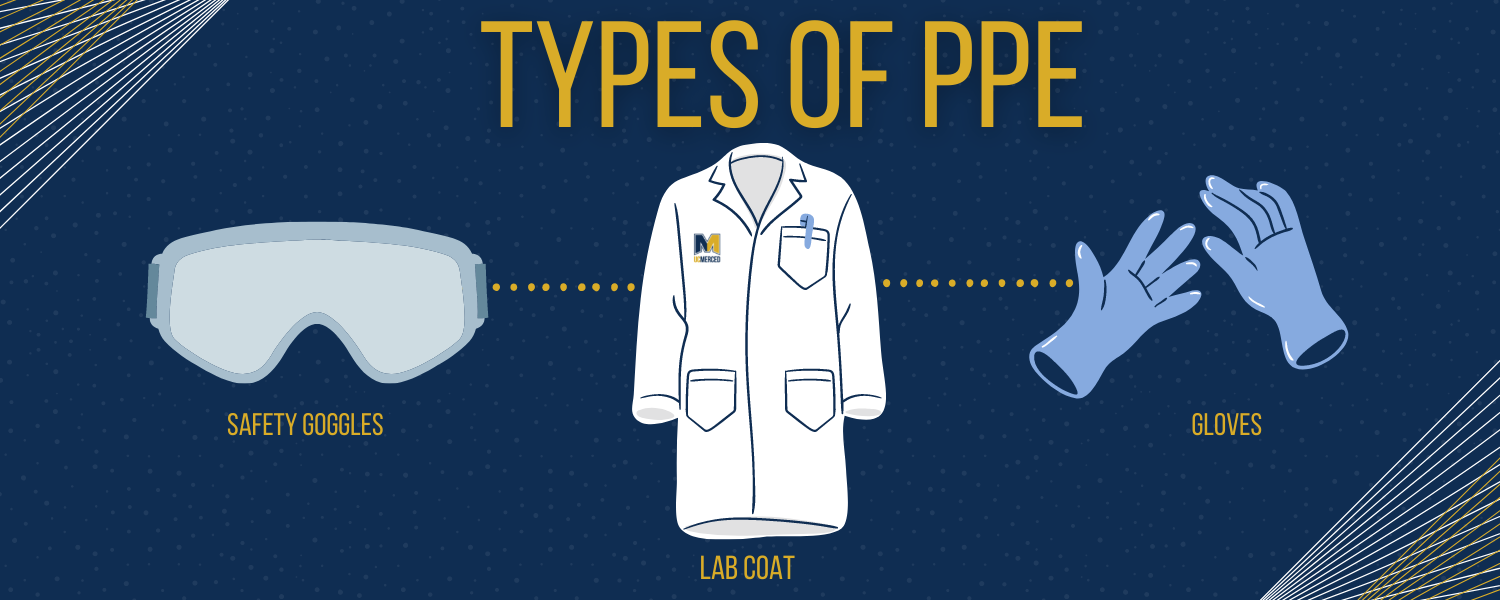
- Fire-Resistant Clothing: Wear fire-resistant gear to protect against heat and flames
- Fire-Resistant Gloves: Heat-resistant gloves provide protection while handling materials and equipment.
- Class A fires involve ordinary combustible materials such as wood, paper, cloth, and plastics. These fires typically produce moderate heat and can be extinguished using water or water- based extinguishers.
- Class B Fires: Flammable Liquids and Gases
- Class B fires involve flammable liquids like gasoline, oil, and propane, as well as flammable gases. These fires can spread rapidly and may involve intense heat.
- Required PPE:
- Fire-Resistant Clothing: Wear flame-resistant gear to protect against intense heat and potential splashes.
- Fire-Resistant Gloves: Heat-resistant gloves shield your hands from burns and heat exposure.
- Eye Protection: Protective eyewear guards against splashes and potential eye irritation.
- Respiratory Protection: Respirators protect against inhaling toxic fumes and gases produced by burning liquids.
- Class C Fires: Electrical Fires
- Class C fires involve electrical equipment and appliances. The primary concern is both the fire and the risk of electrocution
- Required PPE:
- Non-Conductive PPE: Wear non-conductive gear to minimize the risk of electrical shock. This includes gloves, boots, and other equipment.
- Fire-Resistant Clothing: Flame-resistant clothing provides protection from heat produced by electrical fires.
- Class C fires involve electrical equipment and appliances. The primary concern is both the fire and the risk of electrocution
- Class D Fires: Combustible Metals
- Class D fires involve combustible metals like magnesium, titanium, and sodium. These fires require specialized extinguishing agents and approaches due to the unique properties of these metals.
- Required PPE:
- Specialized PPE: Use specialized PPE designed for dealing with combustible metals. Consult experts or safety guidelines for specific recommendations.
- Class D fires involve combustible metals like magnesium, titanium, and sodium. These fires require specialized extinguishing agents and approaches due to the unique properties of these metals.
- Class K Fires: Cooking Oils and Greases
- Class K fires occur in kitchens and involve cooking oils and greases. These fires can be particularly challenging due to the high temperatures and flammable nature of cooking fats.
- Required PPE:
- Fire-Resistant Clothing: Wear flame-resistant gear to protect against intense heat and potential splashes.
- Fire-Resistant Gloves: Heat-resistant gloves shield your hands from burns and heat exposure.
- Eye Protection: Protective eyewear guards against splashes and potential eye irritation.
- Respiratory Protection: Respirators protect against inhaling toxic fumes produced by burning oils and fats.
- Class K fires occur in kitchens and involve cooking oils and greases. These fires can be particularly challenging due to the high temperatures and flammable nature of cooking fats.
Multi-Hazard PPE
In some cases, fires may involve a combination of hazards, such as toxic gases, high heat, and potential for electrical shock. In such scenarios, using multi-hazard PPE is essential to ensure comprehensive protection.
Wildfires
Wildfires are complex and may involve multiple types of fires along with environmental hazards like smoke, ash, and falling debris.
- Required PPE:
- Fire-Resistant Clothing: Wear fire-resistant gear to protect against heat and flames.
- Eye Protection: Protective eyewear guards against smoke, ash, and flying debris.
- Respiratory Protection: Respirators protect against inhaling toxic smoke and particulates.
- Sturdy Footwear: Wear sturdy, fire-resistant boots to prevent burns from hot surfaces.
Conclusion
Choosing the right Personal Protective Equipment (PPE) for different types of fires is crucial for your safety as well as the effectiveness of your response. Understanding the unique characteristics of each type of fire and its associated hazards is the key to selecting the appropriate gear. Whether you’re dealing with ordinary combustibles, flammable liquids, electrical fires, combustible metals, or cooking oils, having the right PPE can make all the difference in effectively mitigating the situation while safeguarding your well-being. Always stay informed, be prepared, and prioritize safety when dealing with different types of fires.
Common unsafe practices
- Calling electrical fire 'Class C' in the Indian context
- Selecting PPE from the fire-class letter alone
- Sending untrained staff toward a developed fire because extinguishers and gloves are available
- Entering smoke with an air-purifying respirator instead of suitable SCBA
- Using structural turnout gear as universal chemical, electrical, metal or wildland protection
- Applying water to energized equipment before isolation and verified suitability
- Throwing water on burning cooking oil
- Using water, CO2 or ordinary ABC powder on a reactive metal without specific approval
- Extinguishing a pressurized gas flame without a safe fuel-shutoff plan
- Standing in front of a heated, leaking or fire-exposed cylinder
- Approaching solvent or fuel fire without considering vapour travel and flashback
- Assuming a battery fire is only an electrical fire after external power is disconnected
- Removing SCBA during overhaul because visible flame has ended
- Ignoring contaminated runoff and post-fire gear exposure
- Re-entering after apparent extinguishment without monitoring and authority