
Protecting Lithium-Ion Batteries from Fire Hazards Detection and Suppression Techniques

What needs attention
- The article topic must be linked to the actual occupancy and hazard
- Prevention and early warning provide more safety margin than last-second intervention
- Equipment is effective only when correctly selected, accessible and maintained
- People need short practised actions and a clear decision to stop and escape
- Children, visitors and people needing assistance require explicit planning
- Records, drills and inspections matter only when defects are corrected
Controls that reduce risk
- Complete a task- and site-specific hazard assessment
- Verify applicable Indian, state and local requirements
- Use competent inspection for installed systems and specialist hazards
- Keep alarms, exits, signs and emergency access usable
- Train intended users and practise evacuation
- Record defects with an owner and completion date
- Review the plan after changes, incidents or near misses
Understand and apply the guidance
Lithium-ion battery storage and manufacturing facilities require specialized protection due to the unique fire risks associated with these batteries. Understanding these risks and implementing effective protection strategies is crucial for safety and preventing potential disasters.
Fire Risks of Lithium-Ion Battery Storage
Lithium-ion batteries are prone to a phenomenon known as thermal runaway. Thermal runaway occurs when a battery’s temperature rises, causing a release of energy that further increases the temperature. This can lead to a fire or explosion, which may be severe and capable of reigniting later. The following factors contribute to the fire risks associated with lithium-ion batteries:
- Overheating: Extensive use, exposure to high temperatures, and overcharging can cause a battery to overheat, triggering thermal runaway.
- Internal Short Circuits: Manufacturing defects can cause internal short circuits, leading to thermal runaway.
- Physical Damage: External impacts during storage or manufacturing can damage batteries, resulting in thermal runaway.
Fire Protection for Lithium-Ion Battery Storage
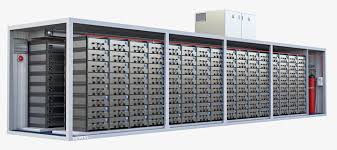
Given the high risk of thermal runaway with lithium-ion batteries, it’s essential to have appropriate fire detection and protection systems in place. Key protective measures include:
- Early Detection Systems:
- VESDA Smoke Detection: Very Early Smoke Detection Apparatus (VESDA) can identify fire threats in their early stages, providing crucial time to mitigate damage.
- Li-Ion Tamer Off-Gas Detection: This system detects gases released during the early stages of battery failure, offering an additional layer of early detection.
- Fire Suppression Systems:
- Clean Agent Fire Suppression: These systems use gaseous agents that leave no residue and are safe for electronics, making them ideal for battery storage areas.
- Water Mist Systems: These systems use fine water sprays to cool fires and suppress flames, minimizing water damage.
- Inert Gas Systems: Inert gases such as nitrogen or argon can be used to displace oxygen and suppress fires.
- Novec Fire Suppression Systems: Novec 1230 fluid is an environmentally friendly, non-conductive fire suppression agent that is effective for protecting high-risk areas like battery storage.
- Regular Inspections and Maintenance:
- Regularly inspect and maintain detection and suppression systems to ensure they function effectively when needed.
- Conduct routine checks for any physical damage or overheating signs in the battery storage area.
Conclusion
The unique fire risks associated with lithium-ion battery storage and manufacturing necessitate specialized fire protection measures. By implementing early detection systems, appropriate fire suppression systems, and regular maintenance, facilities can significantly mitigate the dangers of thermal runaway and ensure a safer environment for battery storage and manufacturing.
Stay informed and stay prepared to effectively manage the fire risks associated with lithium-ion batteries.
Common unsafe practices
- Relying on equipment without a hazard assessment
- Blocking or compromising escape routes
- Delaying the alarm or emergency call
- Attempting a response beyond training or safe conditions
- Re-entering before authorised clearance
- Treating a checklist as a substitute for competent inspection