
Warehouse & Distribution Center Fire Risks
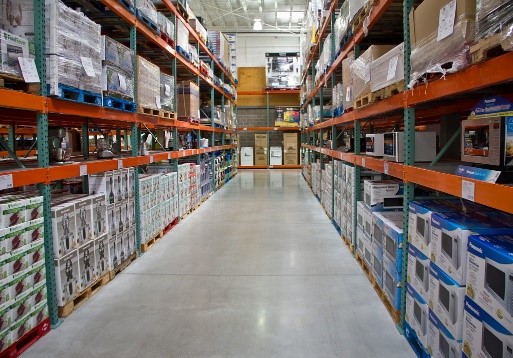
What needs attention
- Fire protection cannot be treated as static because warehouse commodities, packaging and rack layouts change
- Operating equipment was the leading heat-source group in the NFPA dataset
- Electrical distribution or lighting equipment was involved in 16% of reported warehouse fires
- Processed wood and paper, including cardboard packaging, was the first material ignited in 41% of fires
- Fires beginning in storage areas produced a disproportionate share of direct property damage
- Lower overnight staffing can delay discovery even though fewer fires begin overnight
Controls that reduce risk
- Have a fire-protection professional verify that sprinklers match the stored commodity, rack type and maximum storage height
- Keep the required clearance below sprinklers and preserve rack flue spaces
- Inspect chargers, electrical panels, temporary wiring, conveyors and powered equipment; isolate damaged equipment
- Separate battery charging, hot work and flammable-liquid operations from combustible storage using locally required controls
- Keep exits, fire doors, hose points, extinguishers and responder access unobstructed
- Maintain a current chemical inventory and accessible safety data sheets
- Run evacuation and head-count drills on every shift, including nights and contractors
- Share a pre-incident plan with the local fire service for large or high-hazard warehouses
Understand and apply the guidance
As the safety manager for a warehouse distribution center with more than one location, it can be hard to find and reduce fire risks and keep up with the fire protection needs of your warehouses. So, to give you a quick reference, we’ve put together a list of the most common fire risks in warehouses and what you can do to reduce them.

The Most Common Warehouse Fire Causes
Each year, U.S. fire departments are called to an average of 1,210 warehouse fires that cause an average of $155 million in direct property damage, 19 civilian injuries, and 3 deaths.
The study found that 220 fires were started on purpose every year. This was the most common type of fire and the one that caused the most damage. As a result, 32% of all warehouse property was damaged and $50 million was lost. In order of damage and people hurt, the next six are:
- Electrical and lighting problems are the cause of 18% of fires and 38% of civilian injuries.
- Garbage and trash (170 fires a year, most of which are put out quickly with little damage)
- Heating equipment (90 fires a year, $5 million in damage)
- Exposure fires (7 percent of fires, $11 million in damage per year)
- Liquids or materials that can catch fire (6% of fires, 31% of civilian injuries)
- Fires caused by cigarettes (60 fires a year, $17 million in damage)
The NFPA study also talks about a lot of other things that could cause fires or be dangerous in your warehouses or distribution centers, like cooking equipment, power tools, compressors, and more.
What Can I do to Minimize my Warehouses’ Fire Risk?
Most likely, your warehouses are huge, with extra-high ceilings, miles of square footage, and high-piled racks filled with open bins and a wide range of goods. So, what can you do to reduce the risk of fire and make sure your huge distribution centers have the right fire safety measures?
- Make sure you have the right fire safety gear for the space and what’s in it.
- Check to make sure that fire sprinklers and fire extinguishers are always clear.
- Check to see if the sprinkler systems can get enough water.
- Make sure that all of your life safety systems are up to date and working well.
- Do preventive inspections of fire protection systems as required by NFPA and local codes
- Teach your workers about fire safety and how to stop the most common warehouse fire risks.
Warehouse Fire Protection Assessments & Inspections
An assessment is a good place to start if you’re not sure what fire protection your warehouses need or what fire risks they have. Your local Authorities Having Jurisdiction (AHJ) can tell you what fire protection systems are required in your area, or you can call AIE and we’ll do the work for you.
Common unsafe practices
- Changing storage height, commodity or rack layout without checking whether sprinkler protection still matches the hazard
- Blocking flue spaces, sprinkler discharge, fire doors, alarms, aisles or exit routes with stock
- Using damaged electrical equipment or poorly controlled charging areas near combustibles
- Allowing rubbish, packaging and other fuel to accumulate
- Storing flammable or reactive chemicals without inventory control, separation and suitable fire protection
- Relying on portable extinguishers without an emergency plan, evacuation drills and trained workers