
Why Do E-Bikes Catch Fire? Understanding the Risks and How to Prevent Them
What needs attention
- The article topic must be linked to the actual occupancy and hazard
- Prevention and early warning provide more safety margin than last-second intervention
- Equipment is effective only when correctly selected, accessible and maintained
- People need short practised actions and a clear decision to stop and escape
- Children, visitors and people needing assistance require explicit planning
- Records, drills and inspections matter only when defects are corrected
Controls that reduce risk
- Complete a task- and site-specific hazard assessment
- Verify applicable Indian, state and local requirements
- Use competent inspection for installed systems and specialist hazards
- Keep alarms, exits, signs and emergency access usable
- Train intended users and practise evacuation
- Record defects with an owner and completion date
- Review the plan after changes, incidents or near misses
Understand and apply the guidance
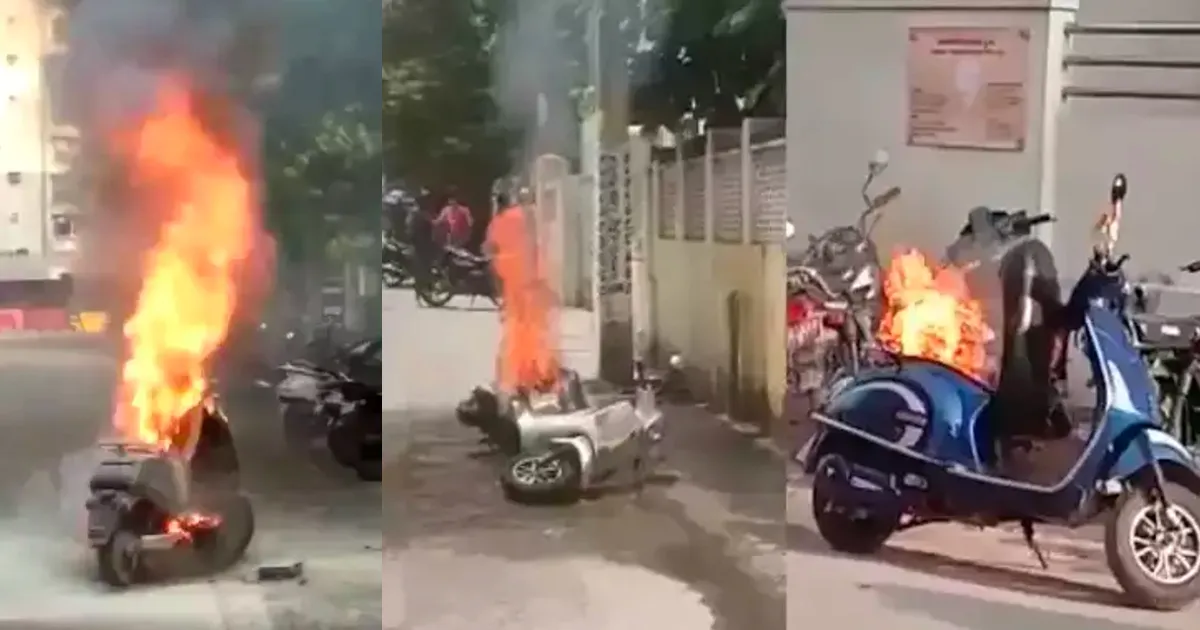
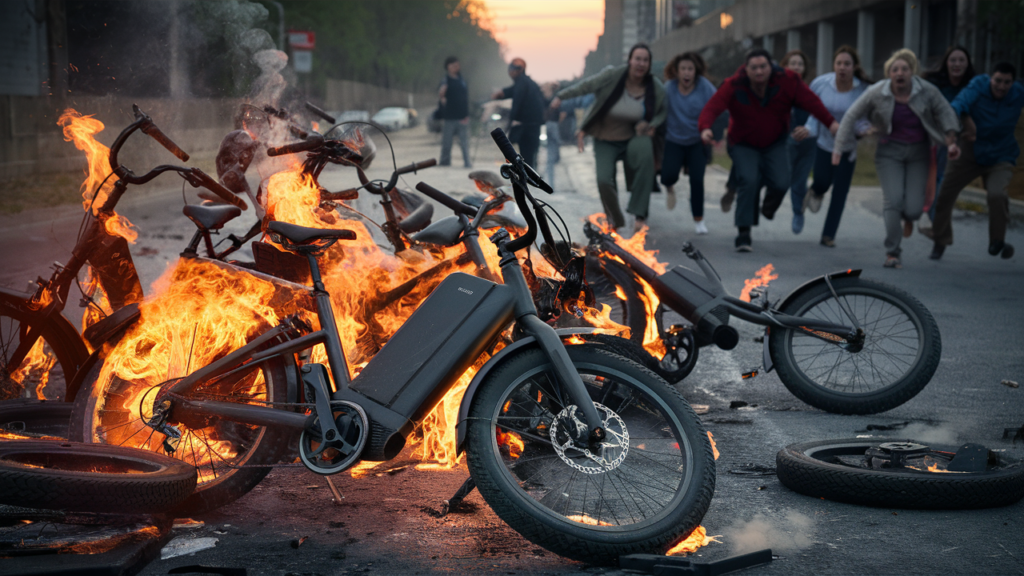
In recent years, there have been various reports of electric bikes catching fire, resulting in injuries and vehicle damage. The government has also taken steps to investigate the matter and ensure safety for all involved. This article will explore how electric bikes work, the possible reasons behind these fires, and offer tips to help you prevent them.
How Do Electric Bikes Work?
Electric vehicles (EVs), including e-bikes, run on electricity generated by Lithium-Ion (Li-Ion) batteries. While some EVs use traditional Lead-Acid batteries, Li-Ion batteries are preferred due to their lighter weight, higher efficiency, and longer lifespan. A typical Li-Ion e-bike battery consists of the following parts:
- Cathode
- Anode
- Electrolyte
- Separator
- Two current collectors
The lithium is stored in the anode and cathode, while the electrolyte carries lithium ions between them, allowing the battery to store and provide energy efficiently. However, the high energy density of these batteries can pose significant fire risks.
The Battery Management System
Li-Ion batteries have a high energy density, making their cells prone to instability. To ensure safety, these batteries include a Battery Management System (BMS), an electronic device that measures current flow, voltage, and temperature across different parts of the battery to maintain optimal performance and safety.
EV Fire Risk – Why Do Electric Vehicles Catch Fire?
There are two main reasons behind electric bike fires:
- Flammable Electrolyte: The electrolyte in a Li-Ion battery is highly flammable and can catch fire if the battery overheats or is damaged. Overheating increases pressure, potentially causing the electrodes to explode.
- Low-Quality Components: Some manufacturers use low-quality components to offer cheaper batteries, which can lead to potential fires.
Preventing E-Bike Fire Accidents – Safety Tips
With multiple reports of electric bike fires, it’s essential for owners to understand safety measures to avoid such incidents. Here are some important tips:
- Purchase from Reputed Manufacturers: Ensure your electric bike is from a reputable manufacturer that uses high-quality components and offers a warranty for the bike and batteries.
- Follow the User Manual: Carefully read and follow the precautions listed in the user manual to avoid EV fire risks.
- Use the Correct Charger: Always use the charger and adapter provided by the manufacturer.
- Avoid Electrical Extensions: Plug the charger directly into the mains, avoiding electrical extensions.
- Install Smoke Detectors: Install a smoke detector where you charge your e-bike to detect fires quickly.
- Avoid Charging Wet Batteries: If the bike or battery gets wet, have it tested by the manufacturer before charging.
- Dispose of Old Batteries Properly: Do not keep old Li-Ion batteries at home; discharge them responsibly.
- Do Not Overcharge: Avoid charging your e-bike overnight to reduce fire risks.
- Use Authorized Charging Stations: When charging in public, use government-authorized charging stations.
- Avoid Direct Sunlight: Do not park your e-bike in direct sunlight.
- Keep Charging Areas Clear: Avoid charging your e-bike in areas with flammable or combustible materials.
- Uncover Batteries While Charging: Do not cover battery packs or chargers while charging to prevent overheating.
Insurance for Two-Wheelers
Ensure you have a comprehensive two-wheeler insurance policy that covers fire damage to your electric vehicle. Many insurance companies offer policies specifically designed for electric bikes. Review the policy details carefully to understand the coverage.
Managing an Electric Bike Fire Accident
Regularly check your e-bike’s battery for warning signs such as a strange burning smell, leakage sounds, unusual noises, or changes in battery shape. These can be early indicators of danger. If your electric bike catches fire:
- Do Not Panic
- Evacuate the Area
- Call the Fire Brigade
- Report to the Police
- Inform Your Insurance Provider
Conclusion
The recent incidents of electric bike fires in India have raised safety concerns. However, electric bikes are generally designed to be safe. By purchasing from reputable manufacturers, following safety instructions, and having comprehensive insurance, you can ensure the best protection for your e-bike.
Common unsafe practices
- Relying on equipment without a hazard assessment
- Blocking or compromising escape routes
- Delaying the alarm or emergency call
- Attempting a response beyond training or safe conditions
- Re-entering before authorised clearance
- Treating a checklist as a substitute for competent inspection