How To SurviveLife-Safety Intelligence for IndiaEmergency Guide
Home / Case Study / 🔥 Bengaluru EV Showroom Fire: A Tragedy of Ignorance in the Age of Electric Vehicles
Case Study · Ready For Review

🔥 Bengaluru EV Showroom Fire: A Tragedy of Ignorance in the Age of Electric Vehicles

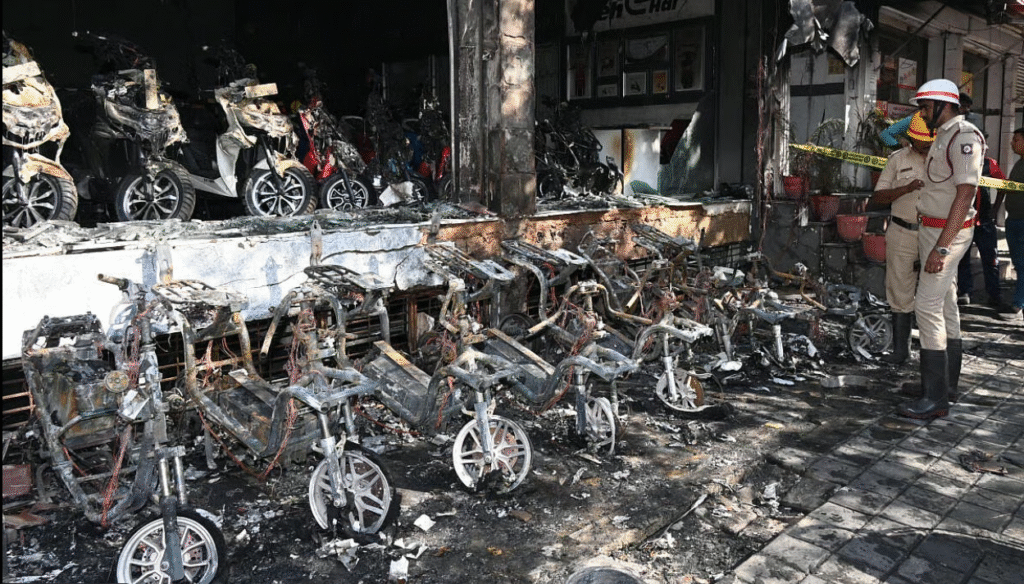
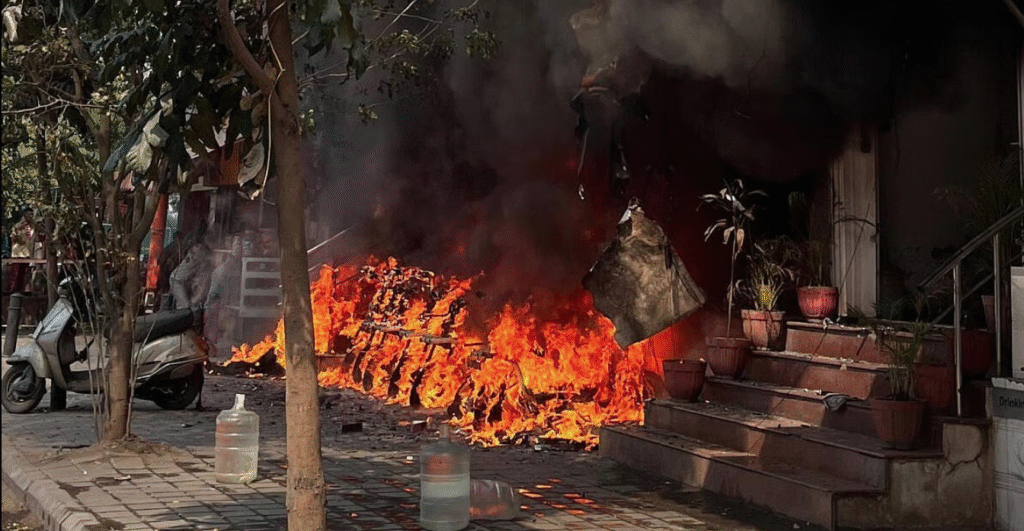
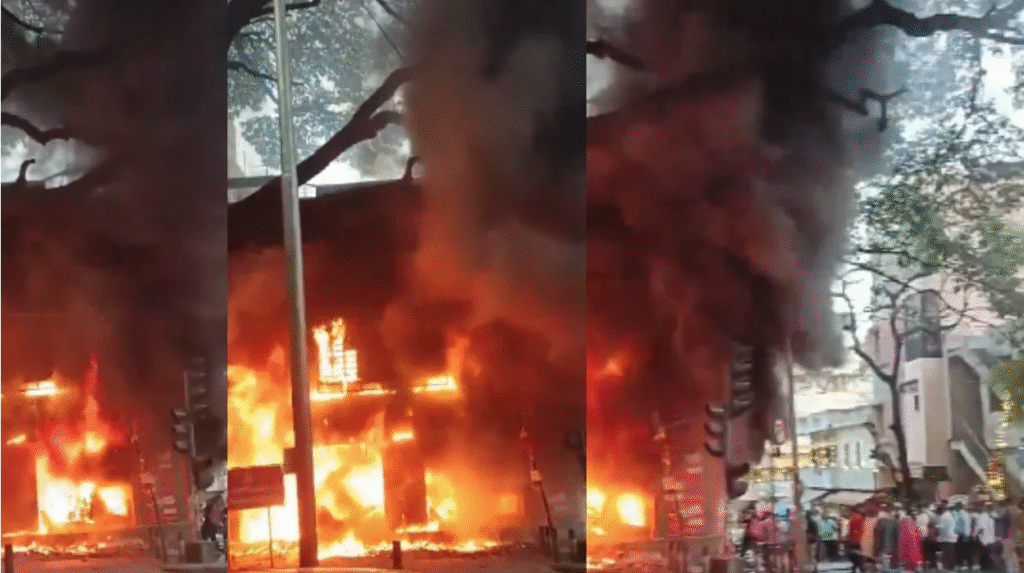
A fire at an electric-scooter showroom killed one employee and injured three; fire officials reported missing smoke detection and sprinkler protection.

Date19 November 2024LocationDr Rajkumar Road, Rajajinagar, Bengaluru, Karnataka, India
01
Case Study

What happened here
Deaths1
Injured3
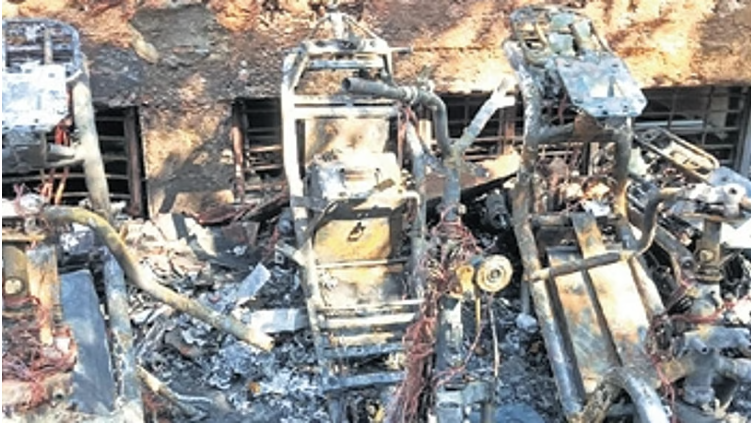
Electric scooters destroyedMore than 25 reported
Missing systems reportedSmoke detectors and sprinklers
OccupancyEV sales and battery inventory

What we can say safely

A fire at an electric-scooter showroom killed one employee and injured three; fire officials reported missing smoke detection and sprinkler protection.

  1. Staff occupy the EV showroom
  2. Preliminary accounts point to an electrical/battery event
  3. Scooters and batteries become involved
  4. Employees attempt to escape; one worker is trapped
  5. Owner and manager are arrested during investigation

Why consequences escalated

  • Multiple batteries in one showroom create a concentrated energy inventory
  • Early smoke detection and automatic suppression were reportedly absent
  • Battery involvement can cause rapid heat, toxic smoke and re-ignition
  • Every occupied floor requires an unobstructed independent escape path
  • Charging, damaged-battery quarantine and overnight storage need written controls

Failures and risk multipliers

  • Failing to identify and control the dominant fuel or energy hazard
  • Allowing detection, suppression or escape systems to remain absent or unserviceable
  • Failing to isolate the public and neighbouring occupancies from escalation
  • Delaying emergency notification or providing incomplete hazard information
  • Treating approvals as a substitute for checking actual site conditions

People closest to the evidence

“Safety lesson”

Incident control begins before ignition: identify the hazard, limit the inventory, detect early, protect escape and give responders accurate information.

Actions that reduce risk

  1. Verify hazardous-material and battery inventories
  2. Inspect alarms, suppression, exits and emergency lighting
  3. Keep emergency and fire-service access unobstructed
  4. Confirm isolation and shutdown procedures
  5. Run a scenario-specific drill with every shift
  6. Prepare public warning and accountability procedures
02
Watch & learn

Playable video library

Captions
Official guidance

Fire Safety

Bureau of Indian Standards · Hindi/English

Building fire-safety overview

03
Incident data

The broader evidence

Survival sequence

  1. Raise the alarm, call 112 and move away from smoke or vapour
  2. Approach neither a tanker leak nor an industrial plume
  3. Move upwind and uphill when gas or chemical release is suspected
  4. Use a safe stair and never an ordinary lift during fire
  5. Report to the assembly point and identify missing people
  6. Do not return until authorities declare the area safe
1DeathEmployee trapped in showroom
3InjuredReported employees
25+Electric scooters destroyedContemporary reporting
2Critical systems reportedly missingSmoke detection and sprinklers
1DeathEmployee trapped in showroom
3InjuredReported employees
25+Electric scooters destroyedContemporary reporting
2Critical systems reportedly missingSmoke detection and sprinklers

Limitations

  • Early casualty figures may differ from final records. Causation remains subject to the competent investigation; contemporary media is used only where a final public technical report was not located.

Immediate actions

  • Walk the complete escape route to open air
  • Confirm alarms and emergency lighting operate
  • Remove obstructions and combustible waste
  • Display 112 and the full site address
  • Check shutdown, spill and isolation equipment
  • Record defects with an owner and closure date
Sources and further readingIndian Express: police and fire-department findings ↗BIS: National Building Code of India 2016 ↗Central Electricity Authority: safety regulations ↗Last reviewed 2026-09-01