How To SurviveLife-Safety Intelligence for India
Language
Automatic translation
Case Study · Building & Structural

Mundka Office Fire: 27 Deaths Behind One Inadequate Escape Route

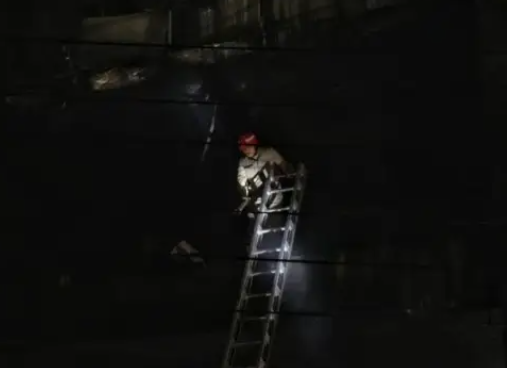
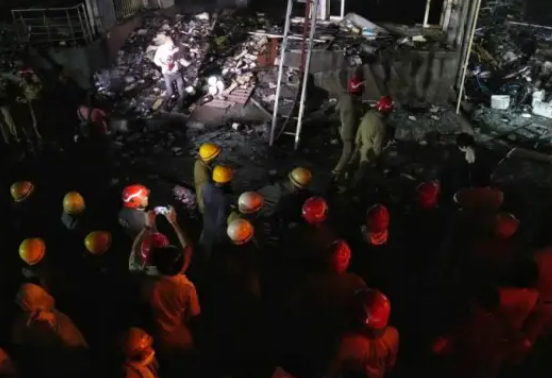
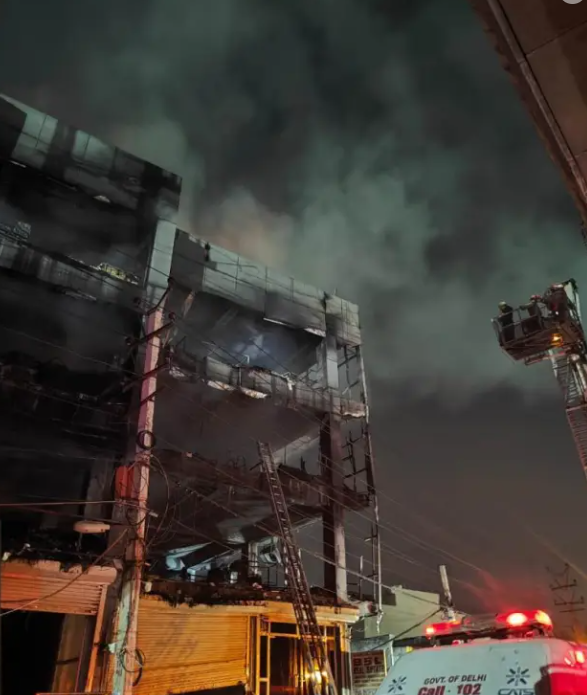
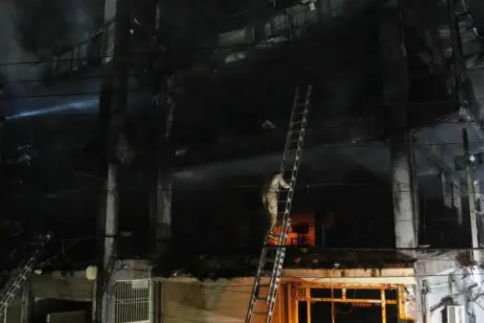
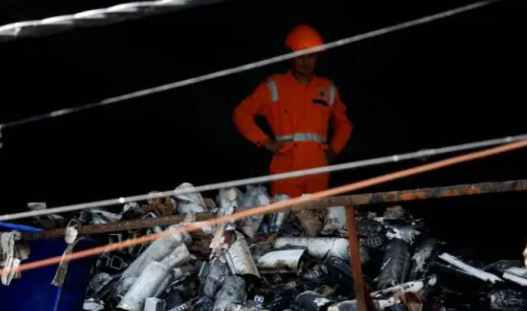
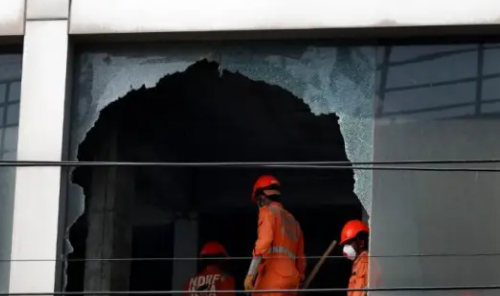
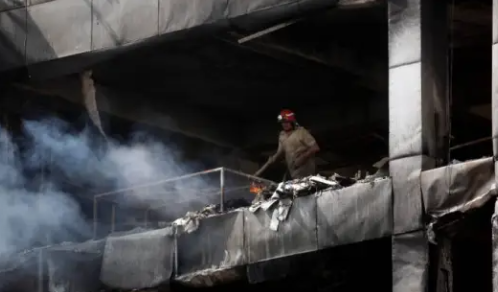
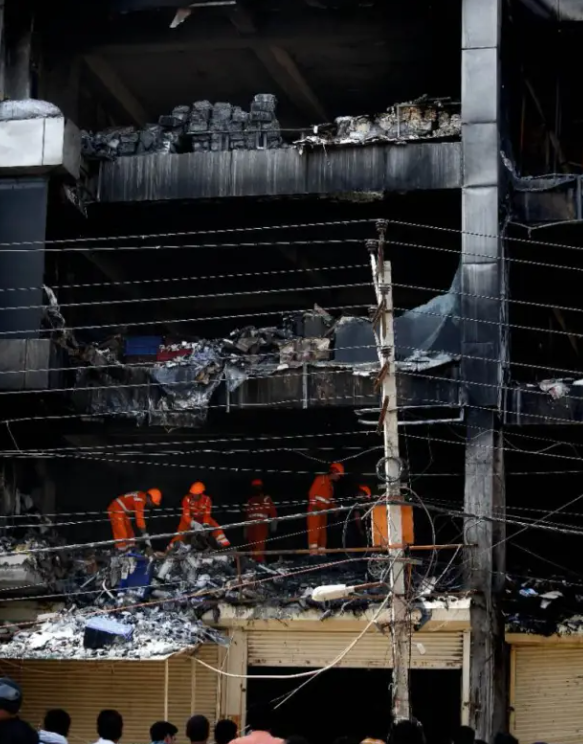
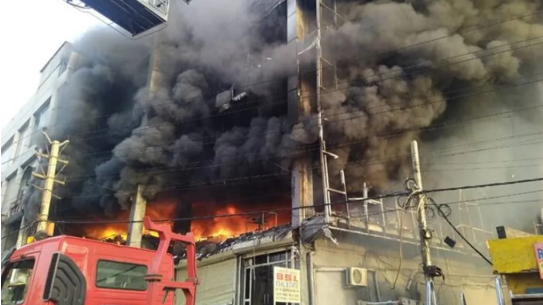
A fire beginning around 16:40 in a commercial building killed 27 people and injured at least 12. Official and investigative reporting identified unlicensed/unsanctioned use, absent fire clearance, difficult access and severe evacuation limitations.

Date13 May 2022LocationNear Mundka Metro Station, West Delhi, India
01
Case Study

What happened here
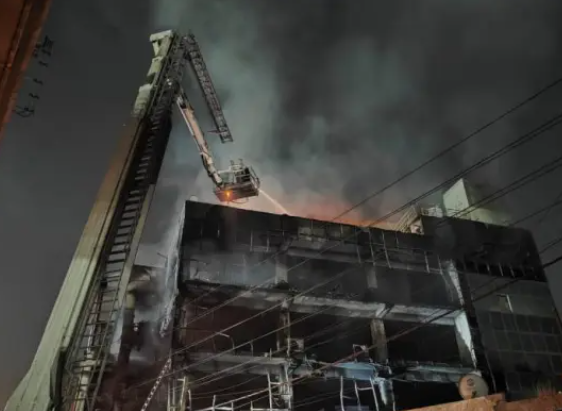
Deaths27
Injured reported12
Fire outbreakAbout 16:40
Fire tendersMore than 30 reported
BuildingFour storeys in NHRC description
ApprovalsNo sanctioned plan and factory operating without licence, NHRC cited municipal enquiry
IdentificationDNA profiling needed for many victims

A fire beginning around 16:40 in a commercial building killed 27 people and injured at least 12. Official and investigative reporting identified unlicensed/unsanctioned use, absent fire clearance, difficult access and severe evacuation limitations.

  1. Commercial/factory activity operates without required approvals according to later enquiry
  2. Fire begins on first floor associated with CCTV/router assembly business
  3. Smoke and flame trap workers above
  4. People use windows and improvised rescue; many remain trapped
  5. Firefighters enter and recover bodies after partial control
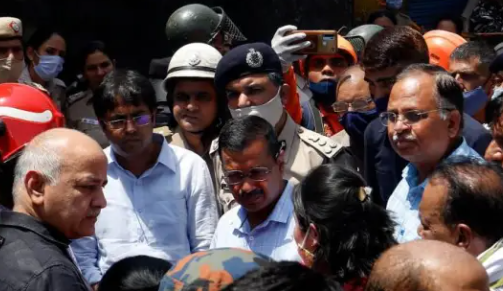
  6. NHRC on-site investigation, arrests, DNA identification and civic vigilance action follow

Why consequences escalated

  • High-occupancy workplaces need at least two protected escape routes
  • A single stair near the fire origin can be lost immediately
  • Unsanctioned changes undermine structural and fire-safety review
  • Fire-service vehicle access must be preserved in dense industrial areas
  • Attendance records and visitor control accelerate accountability
  • Civic notices require enforcement and closure, not paper compliance

Failures and risk multipliers

  • Opening or occupying premises without verified approval
  • Allowing one exit or one protective barrier to determine survival
  • Ignoring inspection, maintenance or prior-warning evidence
  • Failing to control hot work, electrical load, occupancy or water entry
  • Presenting allegations or early casualty counts as final facts

People closest to the evidence

““Safety principle””

Public occupancy begins only after the complete life-safety system is verified and remains maintained.

Actions that reduce risk

  1. Verify approvals and occupancy limits
  2. Maintain two independent escape routes
  3. Inspect electrical, structural, drainage and fire systems
  4. Control hot work and combustible/fuel storage
  5. Practise assisted evacuation and accountability
  6. Track every defect to documented closure
02
Watch & learn

Video reports & learning

Captions
Verified channel

Mundka fire: 27 dead and rescue response

Hindustan Times · English

Incident report

03
Incident data

The broader evidence

Survival sequence

  1. Raise the alarm and call emergency services
  2. Leave immediately through the nearest safe route
  3. Do not enter smoke, fast water or unstable structures
  4. Assist dependent occupants only within training and without blocking escape
  5. Move to the assembly point and report missing people
  6. Never re-enter until authorised
Deaths27NHRC/police
Injured reported12Verified news coverage
Fire tenders30+Hindustan Times
Approximate outbreak16:40Indian Express
Unlicensed units later found in one surveyed zone45Civic probe reporting
Deaths27NHRC/police
Injured reported12Verified news coverage
Fire tenders30+Hindustan Times
Approximate outbreak16:40Indian Express
Unlicensed units later found in one surveyed zone45Civic probe reporting

Limitations

  • Commercial news photographs and video stills are copyrighted and are linked, not copied. Only clearly reusable media may be packaged. Court allegations are not convictions. Conflicting casualty/rescue totals remain explicitly labelled until a final official record is obtained.
Location mapDelhi area context — approximate area only; exact incident site not markedMap data © OpenStreetMap contributorsOpen map in a new tab ↗

Immediate actions

  • Check approvals and occupancy
  • Find two exits
  • Inspect alarms and emergency lighting
  • Remove combustible and access obstructions
  • Confirm emergency numbers and exact address
  • Practise evacuation
Community discussion

Questions, experience and constructive safety discussion

Comments publish immediately unless security controls identify spam. Please do not post private information, unsupported allegations or unsafe instructions.

Leave a comment

* Name and email are required. Your email address will not be published.


The reCAPTCHA verification period has expired. Please reload the page.