
Case Study
What happened here

 1 / 4
1 / 4 Patients killed8
Incident date6 August 2020
OccupancyCOVID-19 intensive-care patients
Government actionCommission of Inquiry appointed
Core challengeAssisted evacuation under infection-control constraints
What we can say safely
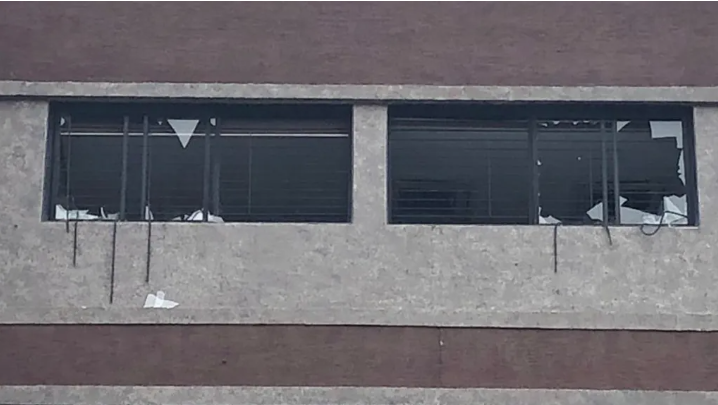
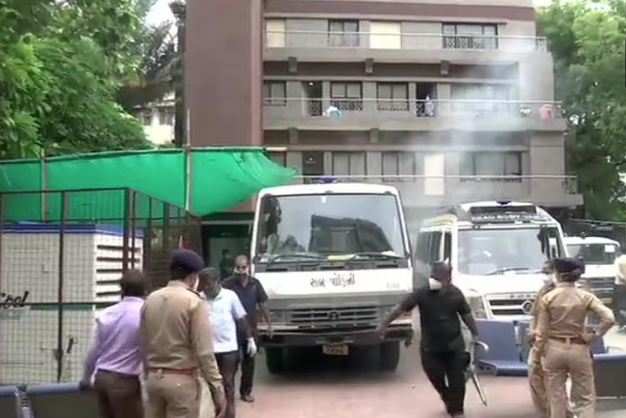
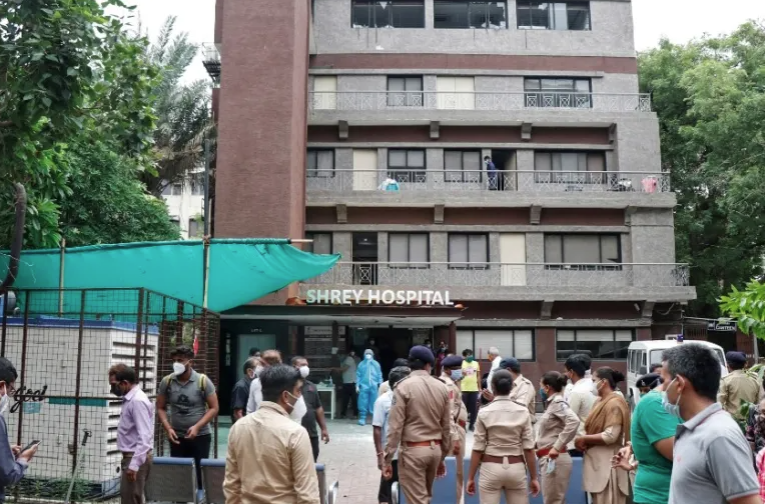
Eight COVID-19 patients died in the Shrey Hospital ICU fire, highlighting electrical ignition, vulnerable-patient evacuation and the need for continuously verified hospital fire protection.
- COVID-19 patients receive treatment overnight
- Fire develops in the hospital critical-care area
- Alarm, firefighting and patient movement begin
- Eight patients die and others are evacuated
- State appoints inquiry; courts examine hospital fire safety
Why consequences escalated
- ICU patients cannot be assumed capable of self-evacuation
- Electrical loads and medical equipment require disciplined inspection
- Smoke compartments and fire doors buy time for assisted movement
- Staffing and evacuation equipment must match every occupied shift
- Temporary pandemic arrangements cannot bypass life-safety controls
Failures and risk multipliers
- Failing to separate ignition hazards from vulnerable people or combustible stock
- Relying on a single escape route
- Allowing alarms, suppression or electrical protection to remain unverified
- Failing to plan for people who need assistance
- Delaying emergency notification or responder access
People closest to the evidence
“Safety lesson”
The actual occupied condition—not the approval file—determines whether people can detect, escape and survive a fire.
Actions that reduce risk
- Inspect electrical and process hazards
- Test alarms, emergency lighting and suppression
- Walk every exit to open air
- Plan assistance for children, patients and disabled occupants
- Keep fire-service access and water points clear
- Run a realistic drill and close recorded defects