
Case Study
What happened here
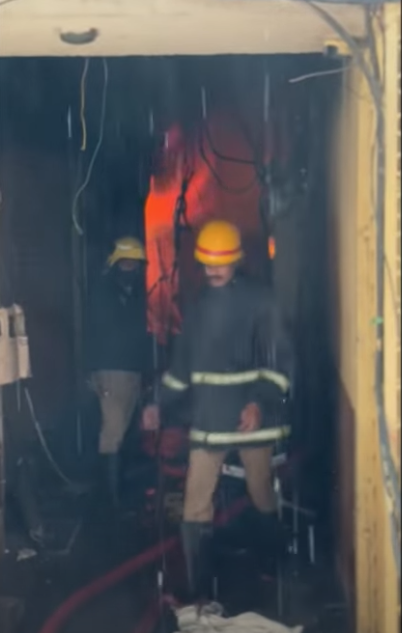
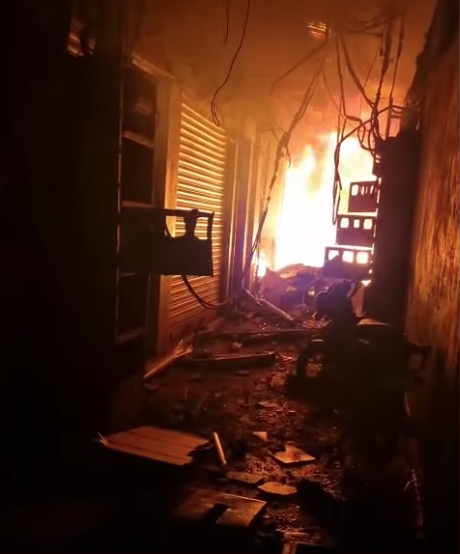
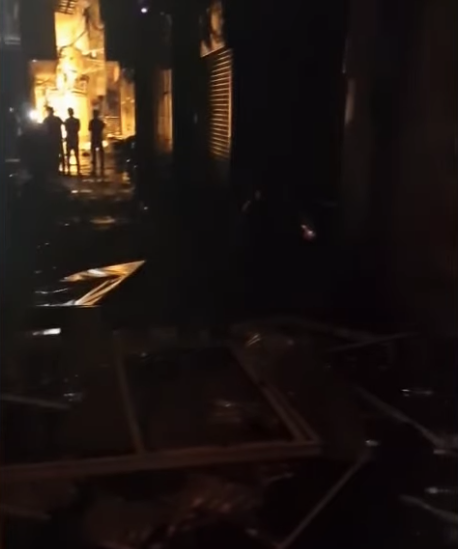
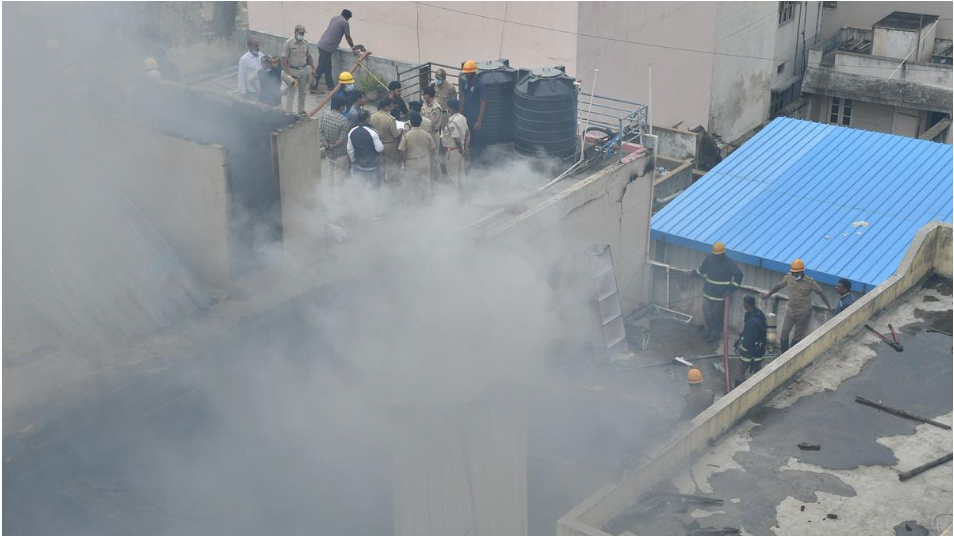
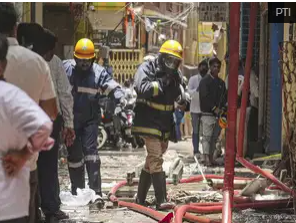
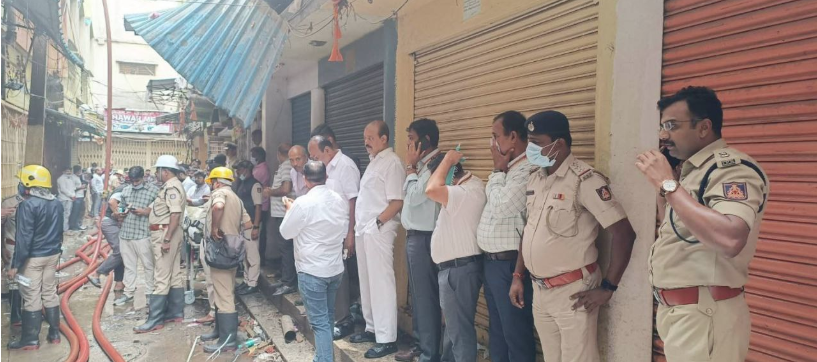
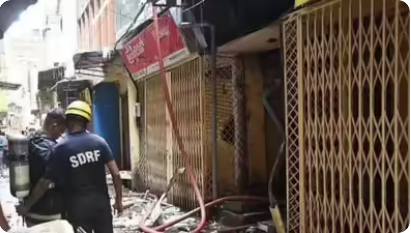
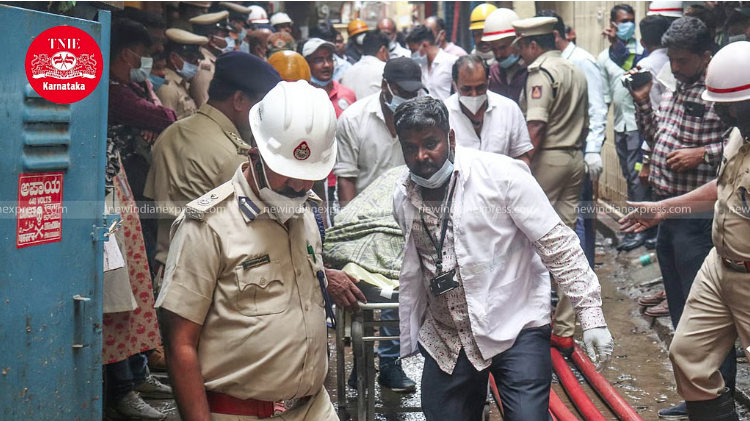 1 / 8
1 / 8 Building configurationGround plus four floors
OccupancyPlastic-article manufacturing/storage
Access conditionNarrow surrounding lanes
Open space expected for high riseMinimum 6 metres cited by fire official
Required escape provision citedTwo entry/exit points
What we can say safely
A fire in a plastic-products unit inside a dense multi-storey commercial area tested high-rise access, water delivery and evacuation through narrow Bengaluru lanes.
- Fire develops in the multi-storey plastic unit
- Combustible inventory produces heavy fire conditions
- Narrow bylanes restrict appliances and rescue positioning
- Firefighters and volunteers support suppression and evacuation
- Officials identify high-rise access and protection deficiencies
Why consequences escalated
- Combustible manufacturing in dense mixed-use areas needs strict separation
- A G+4 building can trigger high-rise access and system requirements
- Narrow lanes prevent reliance on external ladders and rescue
- Two protected routes and internal systems are vital
- Stored plastic produces high heat and dense toxic smoke
Failures and risk multipliers
- Failing to separate ignition hazards from vulnerable people or combustible stock
- Relying on a single escape route
- Allowing alarms, suppression or electrical protection to remain unverified
- Failing to plan for people who need assistance
- Delaying emergency notification or responder access
People closest to the evidence
“Safety lesson”
The actual occupied condition—not the approval file—determines whether people can detect, escape and survive a fire.
Actions that reduce risk
- Inspect electrical and process hazards
- Test alarms, emergency lighting and suppression
- Walk every exit to open air
- Plan assistance for children, patients and disabled occupants
- Keep fire-service access and water points clear
- Run a realistic drill and close recorded defects