
Case Study
What happened here
 1 / 3
1 / 3 Deaths confirmed by Kolkata Police reporting14
Incident date29 April 2025
Building useHotel
Fire location reportedFirst floor
Fire appliances reportedSix
What we can say safely
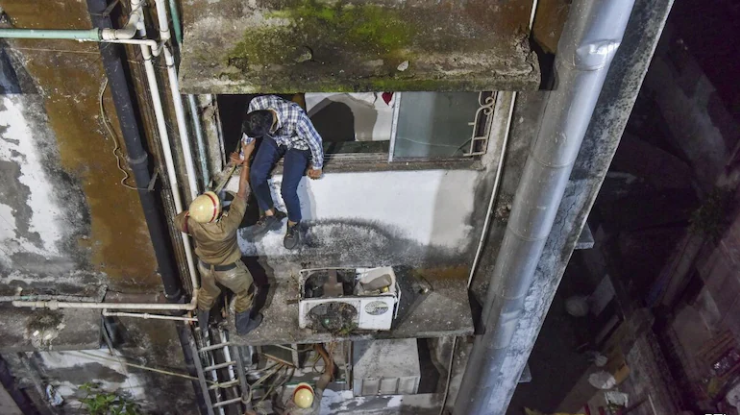
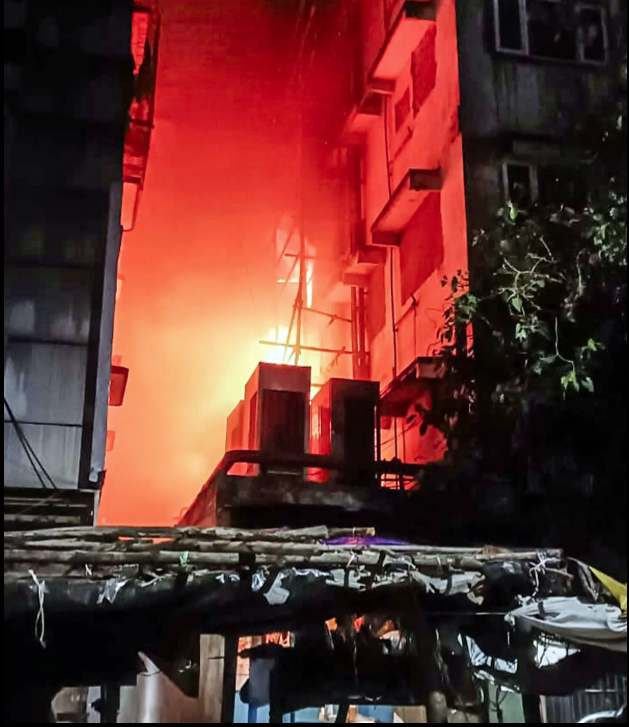
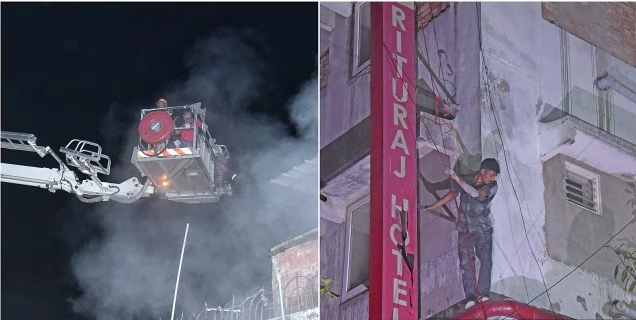
Fourteen people died in the Rituraj Hotel fire; smoke, constrained escape and occupants attempting to flee through windows and the roof demonstrate the danger of compromised hotel egress.
- Guests and staff are inside the hotel
- Fire develops on the first floor
- Upper rooms and escape routes become smoke affected
- Occupants seek exterior ledges, windows and the roof
- Six appliances respond; police arrest owner and manager
Why consequences escalated
- Hotel guests are unfamiliar with routes and depend on clear signs and trained staff
- Smoke can render a single stair unusable before flame reaches upper floors
- Protected stairs, fire doors and alarm audibility are critical during sleep
- Window or roof escape attempts indicate internal egress failure
- Licensing inspections must verify the occupied condition, not only documents
Failures and risk multipliers
- Failing to identify and control the dominant fuel or energy hazard
- Allowing detection, suppression or escape systems to remain absent or unserviceable
- Failing to isolate the public and neighbouring occupancies from escalation
- Delaying emergency notification or providing incomplete hazard information
- Treating approvals as a substitute for checking actual site conditions
People closest to the evidence
“Safety lesson”
Incident control begins before ignition: identify the hazard, limit the inventory, detect early, protect escape and give responders accurate information.
Actions that reduce risk
- Verify hazardous-material and battery inventories
- Inspect alarms, suppression, exits and emergency lighting
- Keep emergency and fire-service access unobstructed
- Confirm isolation and shutdown procedures
- Run a scenario-specific drill with every shift
- Prepare public warning and accountability procedures