How To SurviveLife-Safety Intelligence for IndiaEmergency Guide
Home / Case Study / 🔥 Jaipur’s SMS Hospital Fire: A Night of Smoke, Silence, and Eight Lost Lives
Case Study · Ready For Review

🔥 Jaipur’s SMS Hospital Fire: A Night of Smoke, Silence, and Eight Lost Lives

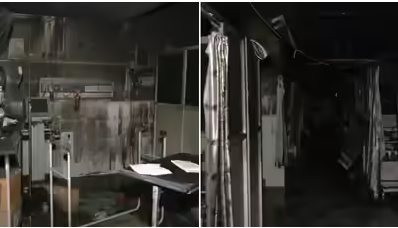
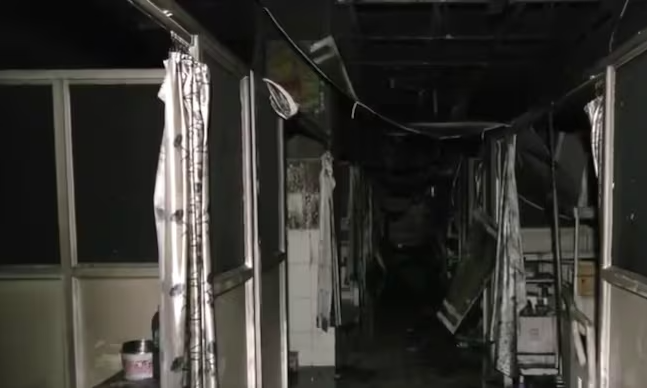
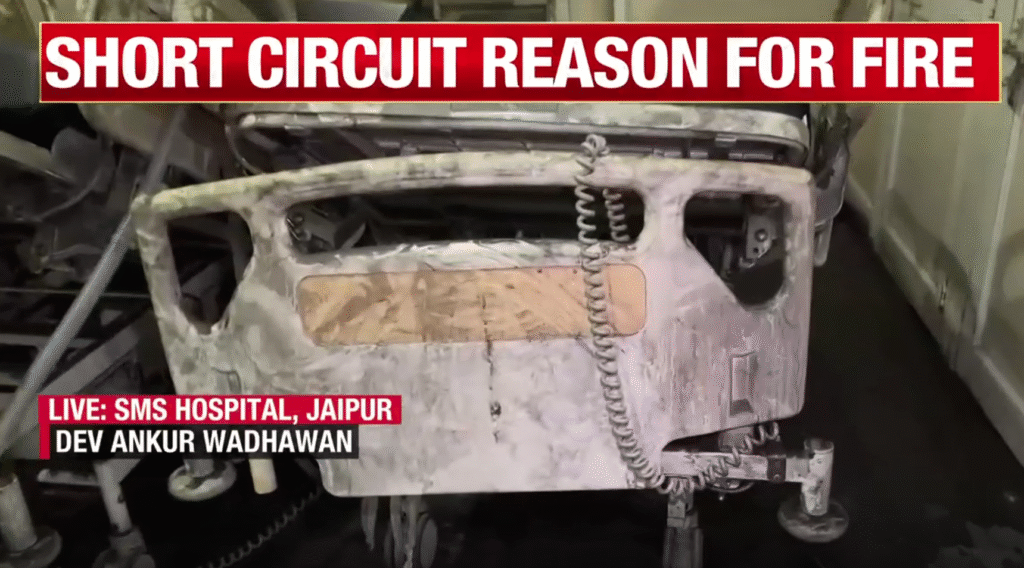
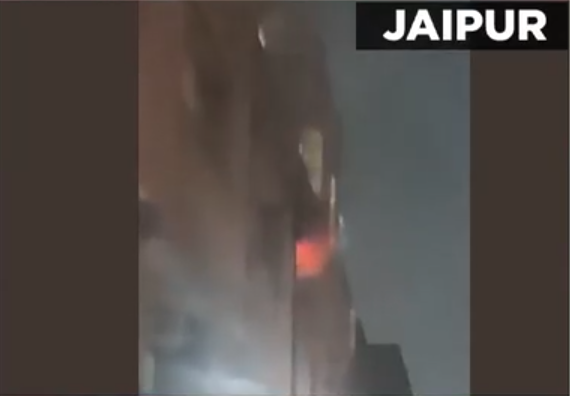
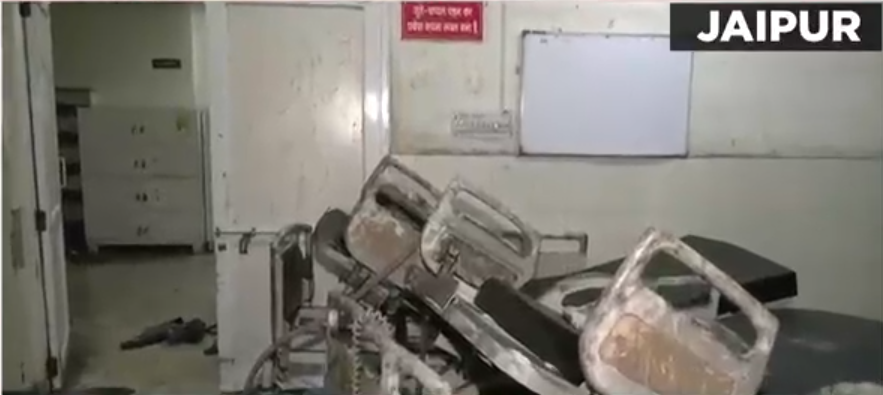
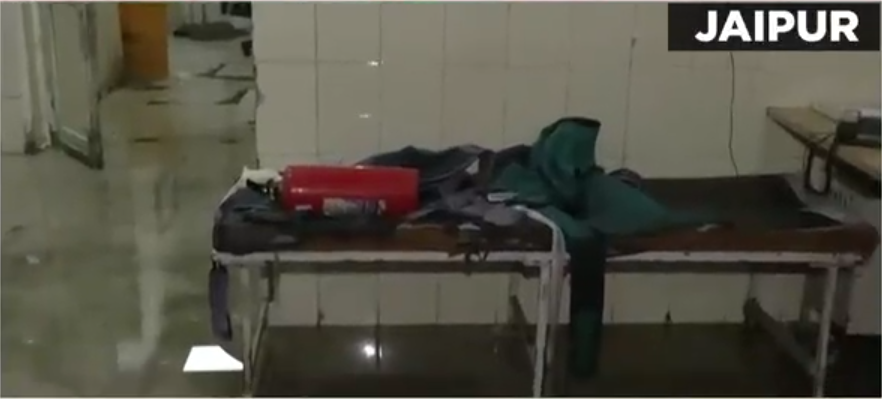
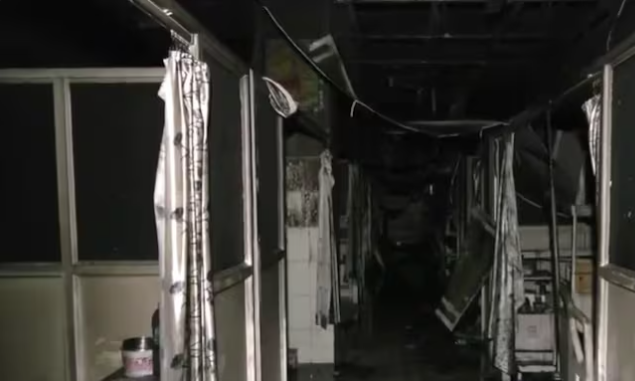
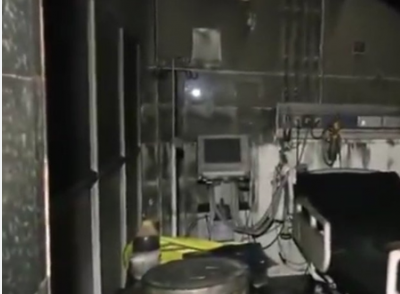
A late-night ICU fire and toxic smoke killed critically ill patients at Jaipur’s government SMS Hospital; later NHRC reporting recorded eight deaths and three critical injuries.

Date6 October 2025LocationSawai Man Singh Hospital Trauma Centre, Jaipur, Rajasthan, India
01
Case Study

What happened here
Deaths reported by NHRC8
Critical injuries reported by NHRC3
Patients in ICU and semi-ICU18
Initial state-confirmed deaths6
Government actionHigh-level investigation committee

What we can say safely

A late-night ICU fire and toxic smoke killed critically ill patients at Jaipur’s government SMS Hospital; later NHRC reporting recorded eight deaths and three critical injuries.

  1. Critically ill patients occupy trauma wards
  2. Fire develops in the neuroscience/trauma ICU
  3. Rescue and patient movement become difficult
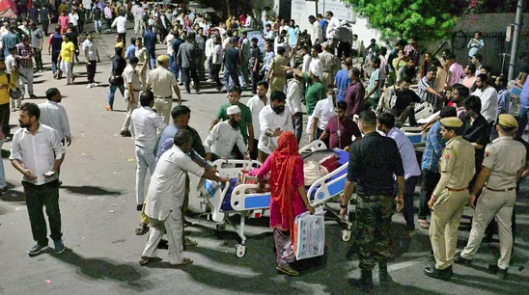
  4. Staff and responders shift patients on trolleys
  5. Officials are removed; contractor action and inquiry follow

Why consequences escalated

  • ICU evacuation depends on trained staff and available trolleys
  • Smoke control and compartmentation are as important as extinguishment
  • Electrical systems in equipment-dense ICUs require continuous inspection
  • Alarm and maintenance complaints need accountable closure
  • Hospital incident command must identify every patient immediately

Failures and risk multipliers

  • Allowing ignition work near fuel or vulnerable occupants
  • Failing to maintain alarms, pumps, suppression and protected exits
  • Relying on one escape or external rescue
  • Failing to provide responders with accurate hazard information
  • Leaving defects open without an accountable owner

People closest to the evidence

“Safety lesson”

Detection, maintained systems, protected escape and accurate emergency information must work together.

Actions that reduce risk

  1. Test alarms, pumps and emergency lighting
  2. Walk every exit to open air
  3. Separate hot work from combustible or flammable material
  4. Confirm assisted-evacuation roles
  5. Keep responder access clear
  6. Record defects with owners and deadlines
02
Watch & learn

Playable video library

Captions
Incident follow-up

SMS Hospital fire: government action

Rajasthan news · Hindi

Contemporary report

03
Incident data

The broader evidence

Survival sequence

  1. Raise the alarm and call 112
  2. Use the nearest safe stair, not an ordinary lift
  3. Stay low beneath smoke and close doors
  4. Move upwind from chemical smoke
  5. Report at the assembly point
  6. Never re-enter
8Deaths reportedNHRC notice dated 14 October
3Critical injuriesNHRC notice
18Patients in affected wardsNHRC account
6Initial state-confirmed deathsSame-day official update
8Deaths reportedNHRC notice dated 14 October
3Critical injuriesNHRC notice
18Patients in affected wardsNHRC account
6Initial state-confirmed deathsSame-day official update

Limitations

  • Contemporary totals may change during inquiry. Unresolved causation is described as reported or preliminary.

Immediate actions

  • Test the alarm
  • Open all exits without special knowledge
  • Remove combustibles from escape routes
  • Display 112 and full address
  • Check pumps, hydrants and extinguishers
  • Practise the emergency plan
Sources and further readingPIB/NHRC notice on eight reported deaths ↗Akashvani: Rajasthan government action and initial six deaths ↗BIS: National Building Code of India 2016 ↗Last reviewed 2026-09-01