Home / Case Study / Delhi Coaching-Centre Basement Flood: Three Students Drowned
Case Study · Needs Verification
Delhi Coaching-Centre Basement Flood: Three Students Drowned
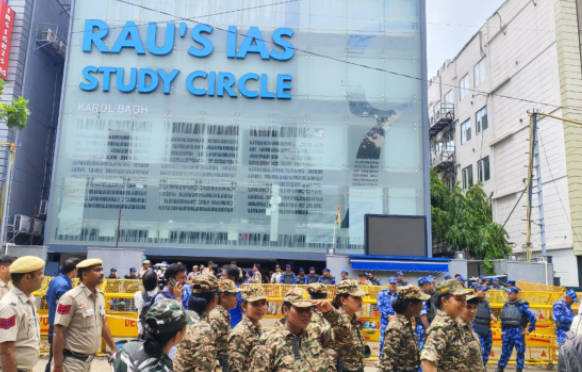
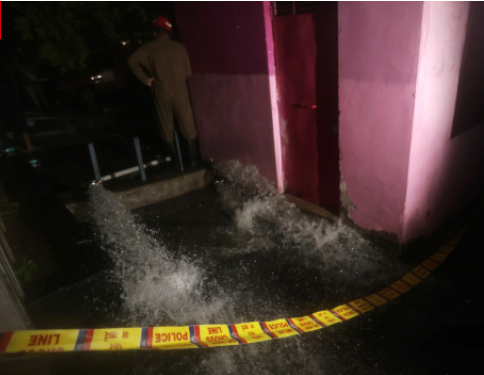
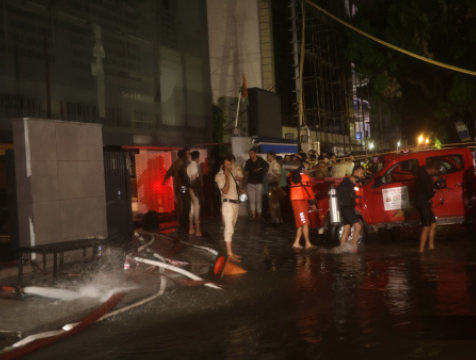
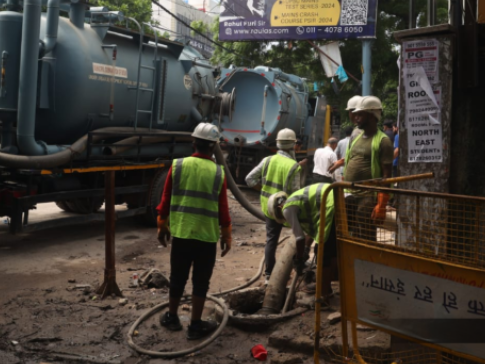
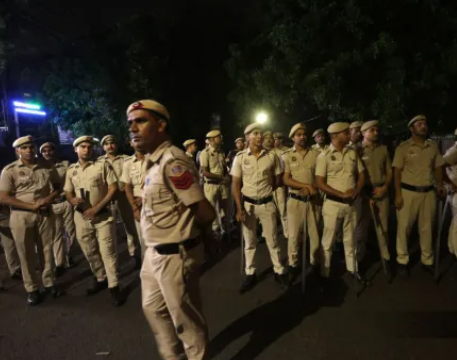
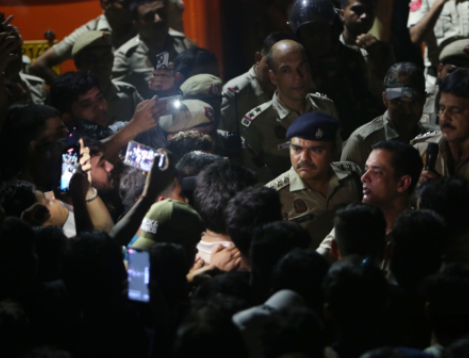
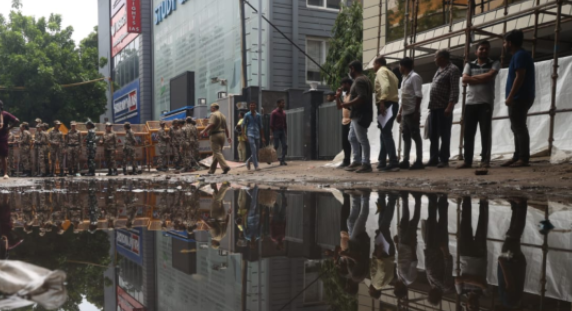
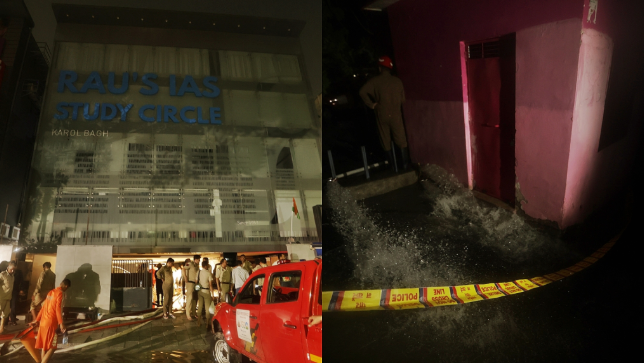
Three civil-service aspirants drowned when rainwater rapidly flooded a basement library, demonstrating the danger of using below-ground space without lawful occupancy, drainage protection and rapid escape.
Date27 July 2024LocationOld Rajinder Nagar, New Delhi, India
01
Case Study
What happened here
1 / 15
Deaths3
Students reportedly in libraryAbout 35
Incident timeAbout 19:00–19:15
Rescue divers reported arrivalAbout 21:15
New WordPress recordImport creates a draft post
Verified overview
What we can say safely
Three civil-service aspirants drowned when rainwater rapidly flooded a basement library, demonstrating the danger of using below-ground space without lawful occupancy, drainage protection and rapid escape.
Incident timeline
Conditions exceed normal control
Occupants or witnesses identify danger
People move or require assisted evacuation
Public services control the incident
Authorities examine cause, compliance and corrective action
Key findings
Why consequences escalated
Occupancy must match the approved use
Detection and two usable escape routes are essential
High-risk fuel, smoke, water or blast exposure requires separation
Vulnerable occupants need planned assistance
Reported cause and liability must follow evidence
Core mistakes / what went wrong?
Failures and risk multipliers
Using unapproved or incompatible space
Allowing one route to become a single point of failure
Delaying alarm or evacuation
Ignoring prior complaints or inspection findings
Publishing unverified casualty or cause claims
Voices that matter
People closest to the evidence
“Safety principle”
A building or industrial system must remain survivable after one foreseeable failure.
Practical prevention
Actions that reduce risk
Verify lawful occupancy
Check detection and two exits
Control fuel, water and structural hazards
Plan assistance and accountability
Practise evacuation
Call the appropriate emergency service
02
Watch & learn
Playable video library
Captions
Official guidance
Fire Safety
Bureau of Indian Standards · Hindi/English
General context
03
Incident data
The broader evidence
How to survive this situation
Survival sequence
Raise the alarm
Leave immediately by a safe route
Do not enter smoke, floodwater or a blast area
Assist only within training
Call emergency services
Do not re-enter
Deaths3
Students reportedly in libraryAbout 35
Incident timeAbout 19:00–19:15
Rescue divers reported arrivalAbout 21:15
New WordPress recordImport creates a draft post
Evidence chart
3Deaths
About 35Students reportedly in library
About 19:00–19:15Incident time
About 21:15Rescue divers reported arrival
Import creates a draft postNew WordPress record
What the data does not show
Limitations
Some 2026 records remain developing. The two new Indian records are created as drafts and intentionally have no copied news photograph; add licensed or original Media Library images before publishing.


 1 / 15