
Case Study
What happened here
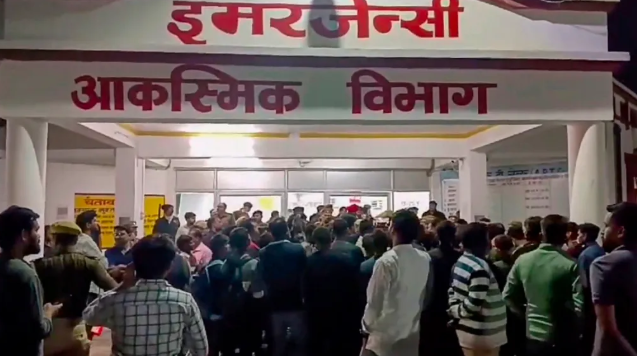
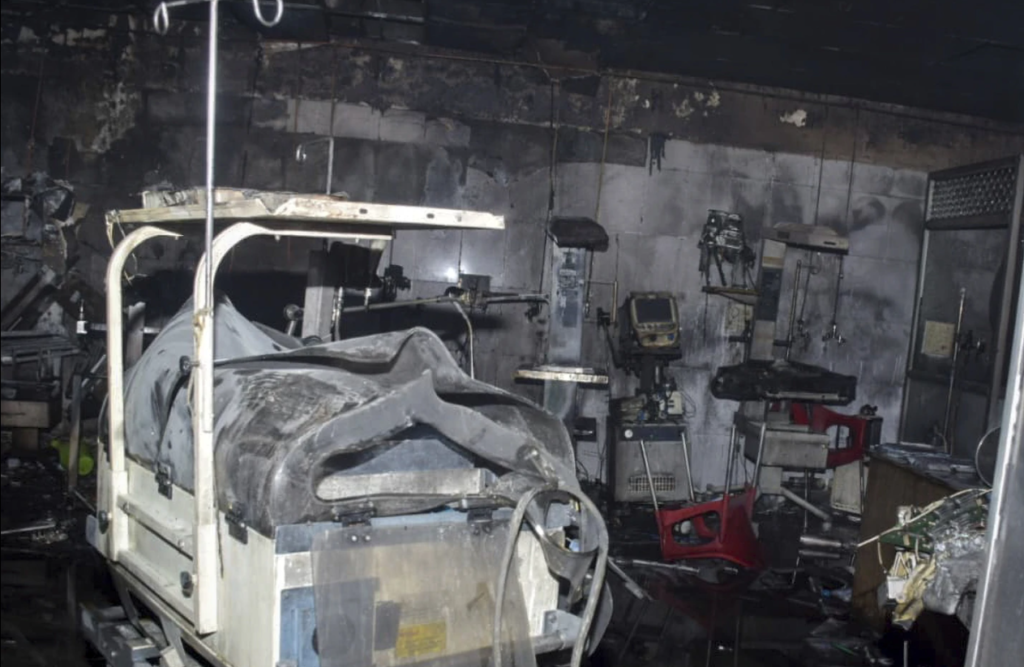
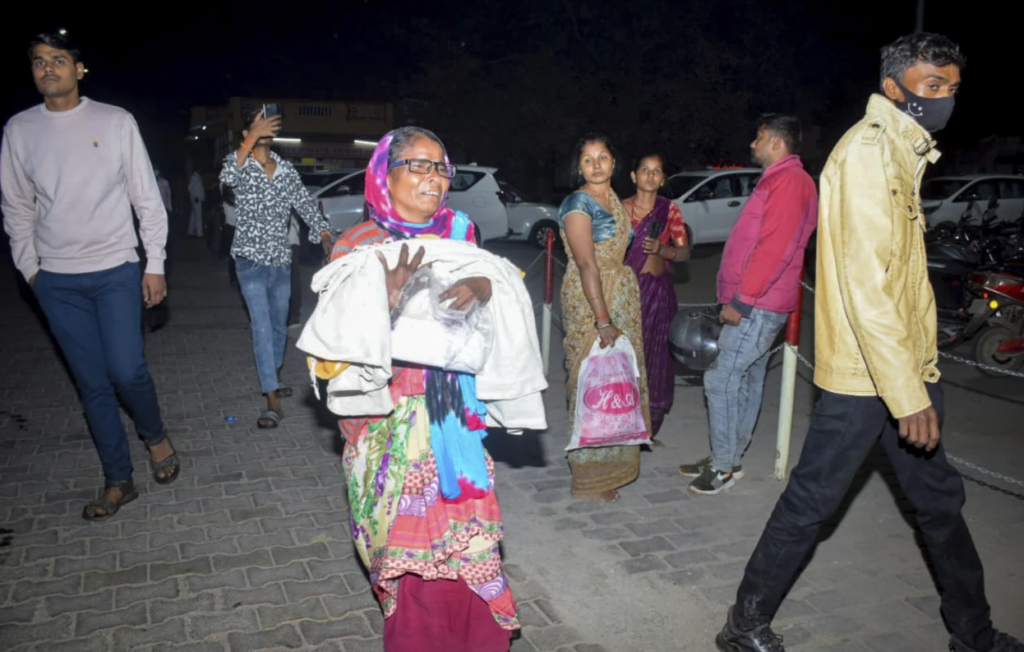
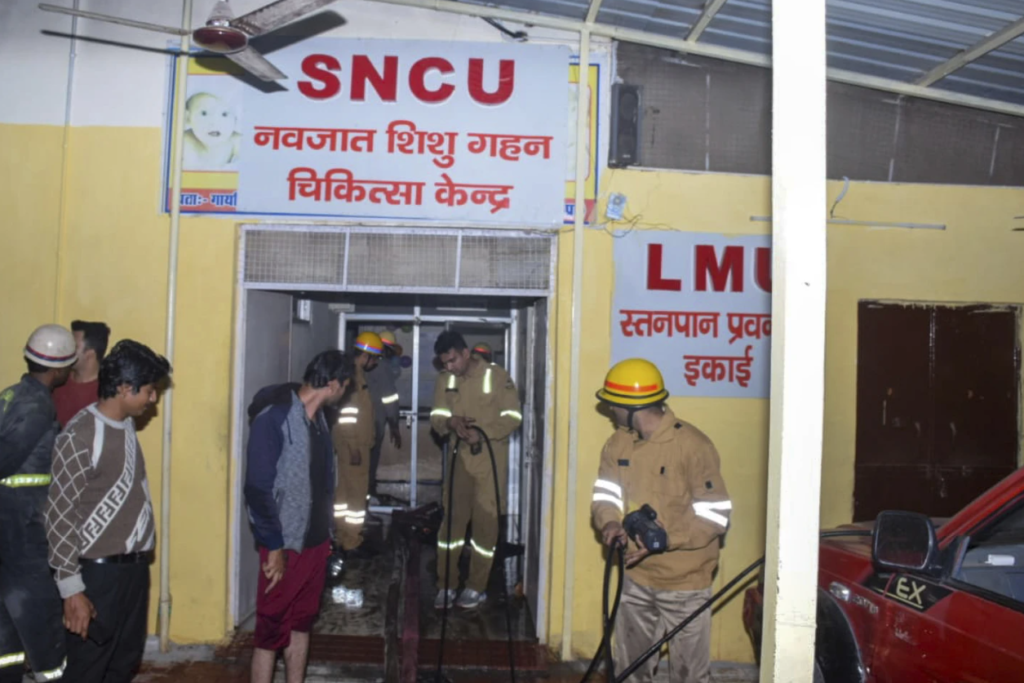 1 / 4
1 / 4 Immediate deaths in NHRC releaseAt least 10
Babies injured16
Babies rescued37 in NHRC release; other early official reports cited 39–45
Approximate outbreak22:45
Initial cause findingShort circuit in switchboard/electrical system
Fire spread factor reportedPlastic coverings and oxygen-enriched clinical environment
Later tollSome later reports cite 17–18; verify against final government record before changing headline
What we can say safely
A late-night fire in the neonatal intensive care unit killed ten newborns immediately, injured 16 and led to the rescue of 37–45 babies in early official reporting. Later reports cited additional deaths; the record separates the 16 November NHRC figures from subsequent counts.
- Fire develops in NICU/SNCU
- Smoke and flame spread among equipment; staff and relatives begin removing babies
- Windows/access points are used to reach infants
- Ten immediate deaths and multiple injuries are confirmed
- NHRC issues notices; state orders magisterial and departmental probes
- Preliminary committees examine electrical load, alarm/extinguisher claims and equipment
Why consequences escalated
- NICU electrical demand must be engineered for continuous life-support loads and redundancy
- Plastic equipment covers and oxygen leakage can accelerate fire spread
- Automatic detection must produce a local and continuously staffed alarm
- Extinguisher condition claims must be verified against maintenance records
- Infant identification and evacuation carriers are core emergency equipment
- Early and later death counts must not be merged without dates
Failures and risk multipliers
- Opening or occupying premises without verified approval
- Allowing one exit or one protective barrier to determine survival
- Ignoring inspection, maintenance or prior-warning evidence
- Failing to control hot work, electrical load, occupancy or water entry
- Presenting allegations or early casualty counts as final facts
People closest to the evidence
“Safety principle”
Public occupancy begins only after the complete life-safety system is verified and remains maintained.
Actions that reduce risk
- Verify approvals and occupancy limits
- Maintain two independent escape routes
- Inspect electrical, structural, drainage and fire systems
- Control hot work and combustible/fuel storage
- Practise assisted evacuation and accountability
- Track every defect to documented closure