How To SurviveLife-Safety Intelligence for India
Language
Automatic translation
Case Study · Building & Structural

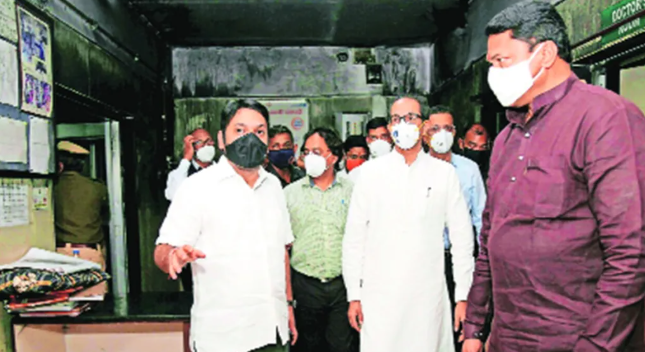
Bhandara Hospital SNCU Fire: Ten Newborns Killed, Seven Rescued

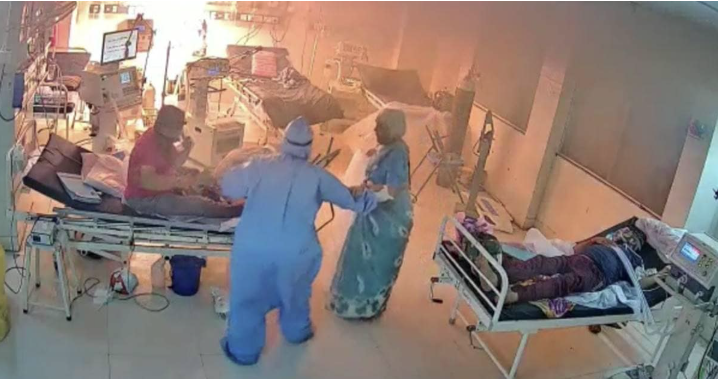
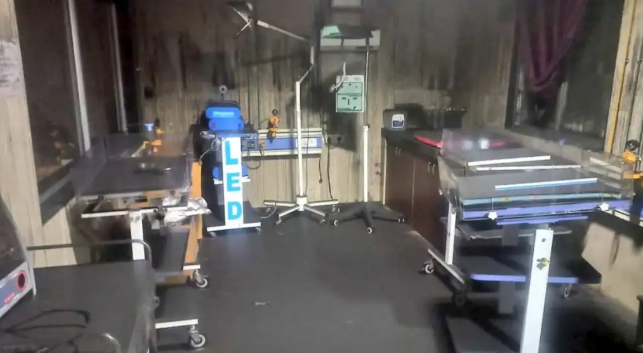
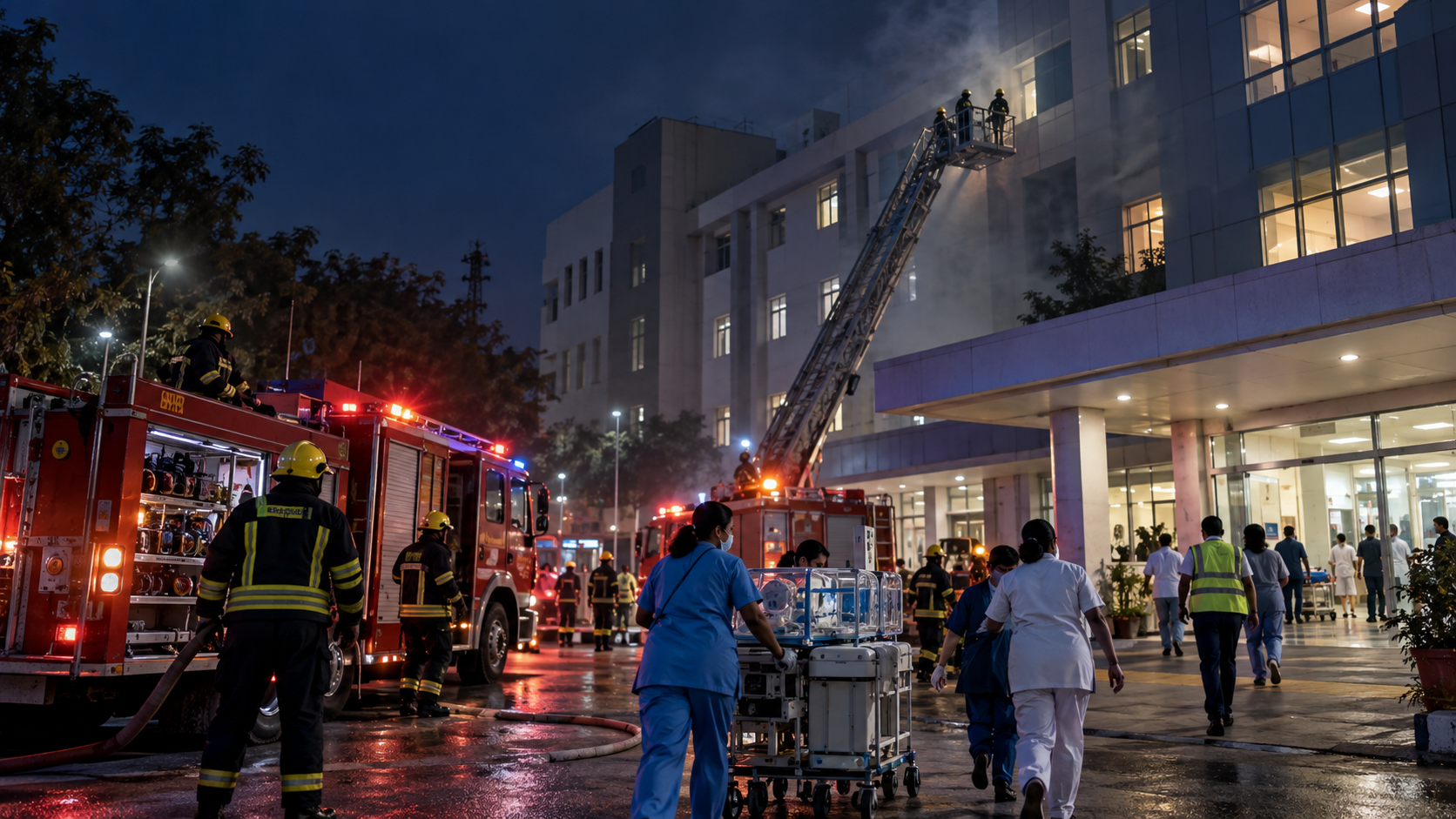
A fire confined to the out-born section of the Special Newborn Care Unit killed ten infants; seven babies in the in-born unit were rescued. A government committee identified a probable defective circuit in a radiant-warmer control panel near cradle 8.

Date9 January 2021LocationDistrict General Hospital, Bhandara, Maharashtra, India
01
Case Study

What happened here
Infant deaths10
Babies rescued7
Fire areaOut-born section of SNCU
Approximate time01:30
Probable causeDefective electrical circuit in radiant-warmer control panel near cradle 8
Inquiry report submitted20 January 2021
Occupant capabilityInfants wholly dependent on staff evacuation

A fire confined to the out-born section of the Special Newborn Care Unit killed ten infants; seven babies in the in-born unit were rescued. A government committee identified a probable defective circuit in a radiant-warmer control panel near cradle 8.

  1. SNCU operates with radiant warmers and continuous electrical load
  2. Fire develops in out-born unit
  3. Staff identify smoke/fire and begin rescue
  4. Seven infants in the separated in-born unit are rescued
  5. Ten infants in out-born unit die
  6. State expert committee investigates and submits report

Why consequences escalated

  • Neonatal equipment needs preventive electrical maintenance and thermal inspection
  • SNCUs require smoke detection suited to clinical conditions and reliable staff notification
  • Compartment separation contributed to rescuing seven babies
  • Every shift needs enough trained staff and evacuation carriers for all infants
  • Fire drills must simulate oxygen-supported, non-ambulatory patients
  • Equipment fault history and maintenance records must be auditable

Failures and risk multipliers

  • Opening or occupying premises without verified approval
  • Allowing one exit or one protective barrier to determine survival
  • Ignoring inspection, maintenance or prior-warning evidence
  • Failing to control hot work, electrical load, occupancy or water entry
  • Presenting allegations or early casualty counts as final facts

People closest to the evidence

““Safety principle””

Public occupancy begins only after the complete life-safety system is verified and remains maintained.

Actions that reduce risk

  1. Verify approvals and occupancy limits
  2. Maintain two independent escape routes
  3. Inspect electrical, structural, drainage and fire systems
  4. Control hot work and combustible/fuel storage
  5. Practise assisted evacuation and accountability
  6. Track every defect to documented closure
02
Watch & learn

Video reports & learning

Captions
Verified national channel

Bhandara hospital fire report

IndiaTV · Hindi

Incident coverage

03
Incident data

The broader evidence

Survival sequence

  1. Raise the alarm and call emergency services
  2. Leave immediately through the nearest safe route
  3. Do not enter smoke, fast water or unstable structures
  4. Assist dependent occupants only within training and without blocking escape
  5. Move to the assembly point and report missing people
  6. Never re-enter until authorised
Infant deaths10Parliamentary answer
Babies rescued7Parliamentary answer
Out-born unit affected1State report
Incident to committee report11 days9–20 January
Cradle number near probable origin8Inquiry summary
Infant deaths10Parliamentary answer
Babies rescued7Parliamentary answer
Out-born unit affected1State report
Incident to committee report11 days9–20 January
Cradle number near probable origin8Inquiry summary

Limitations

  • Commercial news photographs and video stills are copyrighted and are linked, not copied. Only clearly reusable media may be packaged. Court allegations are not convictions. Conflicting casualty/rescue totals remain explicitly labelled until a final official record is obtained.
Location mapBhandara area context — approximate area only; exact incident site not markedMap data © OpenStreetMap contributorsOpen map in a new tab ↗

Immediate actions

  • Check approvals and occupancy
  • Find two exits
  • Inspect alarms and emergency lighting
  • Remove combustible and access obstructions
  • Confirm emergency numbers and exact address
  • Practise evacuation
Community discussion

Questions, experience and constructive safety discussion

Comments publish immediately unless security controls identify spam. Please do not post private information, unsupported allegations or unsafe instructions.

Leave a comment

* Name and email are required. Your email address will not be published.


The reCAPTCHA verification period has expired. Please reload the page.