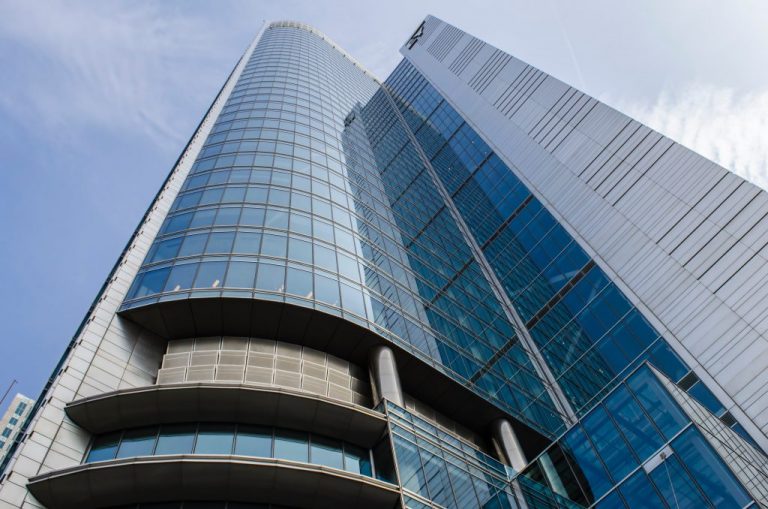
A high-rise fire is not simply a ground-level fire higher in the air. Long vertical travel, smoke movement through shafts, disabled lifts, wind, mixed occupancies and the time needed for firefighters to reach upper floors make the building's internal protection essential. Safe outcomes rely on layers: preventing ignition; detecting and communicating the emergency; containing fire and smoke with rated construction and closed doors; controlling or suppressing fire; and moving occupants through protected routes under a building-specific strategy. Residents and workers should learn the alarm tones, voice messages, two nearest usable stairs, assembly point, refuge provisions and assistance plan before an emergency.
TopicFire Safety · Home SafetyUpdated2026-08-31
01
The guide
Fire Safety in High Rise Buildings
Key risks
What needs attention
High-rise protection is a system, not a collection of extinguishers: egress, compartmentation, smoke control, detection, communication, sprinklers or other suppression, water supply and emergency management must work together
Closing a door can slow smoke and fire spread and protect the corridor or stair used by others
A fire door cannot perform if wedged open, damaged, poorly latched or penetrated by unsealed services
Opening or breaking a window is not a universal escape action; wind can intensify fire and spread smoke, and falling glass endangers people below
A refuge area is not a storage, party or smoking area and does not replace an exit; use it only as the approved plan or responders direct
Assisted evacuation for people with disabilities, older adults, children and anyone needing help must be assigned and practised before an alarm
Exterior ladders may not reach upper floors, so internal systems and protected routes cannot be treated as optional
A fire-safety certificate records compliance at a point in time; daily obstruction, unauthorised alterations and poor maintenance can still destroy protection
Prevention checklist
Controls that reduce risk
Ask management for the approved fire emergency plan and the latest fire-safety certificate required locally
Walk from your room or workplace to two exit stairs without using the lift
Read the evacuation diagram and identify the assembly point and any designated refuge provision
Report every wedged, damaged or non-latching fire door
Keep stairs, corridors, landings, fire-lift lobbies and firefighting equipment unobstructed
Confirm alarms are audible and visual alerts or personal notification methods cover people who may not hear them
Create a personal emergency evacuation plan for anyone who cannot use stairs independently
Store the security desk and facility emergency numbers and know that India's integrated emergency number is 112
Join drills and record problems rather than treating them as ceremonial exercises
Request written isolation and restoration controls whenever alarms, pumps, sprinklers or smoke-control systems are taken offline
Practical guide
Understand and apply the guidance
When you live or work in a high-rise building, it’s very important to know about fire safety. During a fire, it can be harder for people in high-rise buildings to get out of the building safely. If you know about fire safety, you can be ready for a fire and make the best decisions if one does happen.
Fire safety steps to prepare for a fire:
If you’re moving into a high-rise building, make sure it’s fully sprinklered for the best protection.
Find out if your building has fire safety features like fire alarms, voice communication, and plans for getting out in case of fire.
Make sure you know where all the exit stairs are on your floor, in case the ones closest to you aren’t safe.
Make sure that all exit doors and stairwell doors are clearly marked and not blocked.
Find out where the alarm pull stations are in your building.
Tell management right away if you see a fire safety device that is broken or damaged.
How to stay safe during a fire:
If you see a fire, get out of the building quickly and pull the fire alarm on your way out to let the other people in the building know about it.
When the fire alarm goes off, use the back of your hand to feel the door. Do not open the door if it is hot. If you can’t get out of a room safely because of a fire, smoke, or a disability, put wet towels or clothes in the cracks around the door and vents. Call the fire department and let them know exactly where you are. Open the window a little and wave a bright cloth to call for help. Close the window if this makes the smoke worse.
If the door feels cool to the touch, stay low to the ground and slightly open the door to check for smoke or fire. If the way is clear, use the fastest way to get out of the building.
Don’t take the elevator to leave the building.
If you are trying to escape through smoke, get low and go under it.
If there is a voice command system or instructions from the fire department, listen to them.
Go outside to the place where everyone is supposed to meet and call the fire department.
Mistakes to avoid
Common unsafe practices
Assuming the roof, balcony or an external rescue ladder is the default escape route
Using an ordinary passenger lift after a fire alarm
Running into a smoky corridor without checking whether the alternate stair is safer
Wedging open stair, lobby or corridor fire doors for convenience
Storing bicycles, furniture, waste or delivery cartons in stairs and exit passages
Ignoring disabled alarms, leaking hydrants, shut valves or a fire pump left out of automatic mode
Breaking windows or opening doors that feed air to the fire
Returning for documents, pets or belongings after reaching safety
Publishing a generic 'evacuate everyone immediately' rule without the building's approved strategy
Leaving visitors, children or occupants needing assistance out of the accountability plan
02
Watch & learn
Related Videos
Captions
Verified news footage
Mumbai High-Rise Fire Footage
News18 India · Hindi · Verified
Shows the scale, smoke and access challenges of a real high-rise incident; use it as context, not as operational instruction
03
Facts & action
Evidence, Cases & Next Steps
3NBC Part 4 safety areasFire prevention, life safety and fire protection
15 mDelhi threshold cited for specified residential and business buildings under local fire-service rulesDelhi example, not a universal India definition
24 mDelhi height above which its FAQ says refuge-area provisions applyLocal example; follow the applicable bye-law
Evidence chart
Electrical loads, hot work, cooking, smoking and housekeepingPrevent ignition and control hazards
Detection, alarm, voice communication and emergency contactsDetect and communicate
Compartmentation, fire doors, sealed penetrations and smoke controlContain fire and smoke
Sprinklers or approved systems, hydrants, pumps and water supplyControl or suppress fire
Protected stairs, signs, lighting, drills, refuge provisions and personal plansEvacuate and assist
Fire access, command information, keys, plans and accountabilitySupport responders
Primary life threat | Smoke and toxic gases can spread beyond the room of origin
Safe vertical route | A protected exit staircase identified in the approved plan
Ordinary passenger lift | Do not use during a fire
Evacuation lift | Use only if purpose-designed, available and directed under the approved plan
Fire doors | Keep closed and never wedge open
Emergency number | 112 in India
Evacuation method | Follow the building alarm, voice message, wardens and fire service; do not assume every building uses the same strategy
Do This Today
Immediate prevention actions
Stand at your normal location and identify the nearest two exit stairs
Check the doors on the route close and latch and that nothing blocks the path
Read the alarm and voice-message instructions posted for your floor
Photograph emergency contacts and the evacuation diagram for offline access
Ask who assists occupants with mobility, sensory or cognitive needs
Check that your household or team has an outdoor meeting point and accountability method
Report one defect in writing and retain the ticket or acknowledgement
Keep shoes, keys, essential medicines and a phone accessible without delaying evacuation
If Fire Starts
Emergency survival steps
If you discover fire, warn people in immediate danger, activate the alarm and call 112 from a safe place
State the building and tower, access gate, floor, unit or room, visible smoke and whether anyone is trapped
Follow the building's alarm, voice instructions, wardens and fire service; use the approved strategy rather than guessing
If your route is clear, leave promptly by the protected stair and close doors behind you
Do not use an ordinary lift; use a designated evacuation lift only when the approved plan and authorised personnel direct it
If smoke or heat blocks one route, do not enter it—use the alternate protected route if safe
If both routes are unsafe, remain behind a closed door, seal gaps only where smoke is entering, call 112 with your exact location and signal responders without breaking the window
Stay low below smoke, avoid opening a hot or smoke-leaking door, and move to a balcony or refuge area only if it is part of the plan or responders direct you
At assembly, report missing or trapped people and their last known location; never go back inside
Re-enter only after authorised clearance
What the data does not show
Limitations
India does not have one publicly accessible building-level dataset listing every high-rise fire, system condition and outcome
The word high-rise and mandatory protection thresholds vary with the adopted state or municipal regulation, occupancy and building configuration
The 15 m and 24 m figures shown are Delhi examples and must not be copied to another jurisdiction
Stay-put, phased and simultaneous evacuation each depend on a specific building design; this article cannot select one for an unknown building
A refuge area, evacuation lift or fireman's lift may not exist in every building and must never be improvised
News footage illustrates conditions but does not prove the cause or code compliance of a building
The Hindi government videos teach general actions; the high-rise equipment explainer identified is in English