
What happened here
 1 / 4
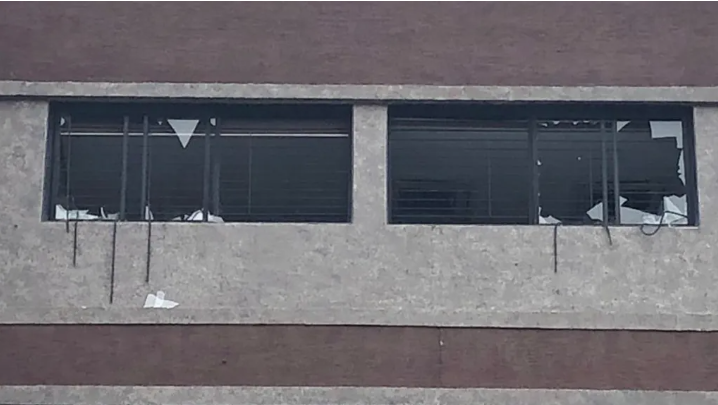
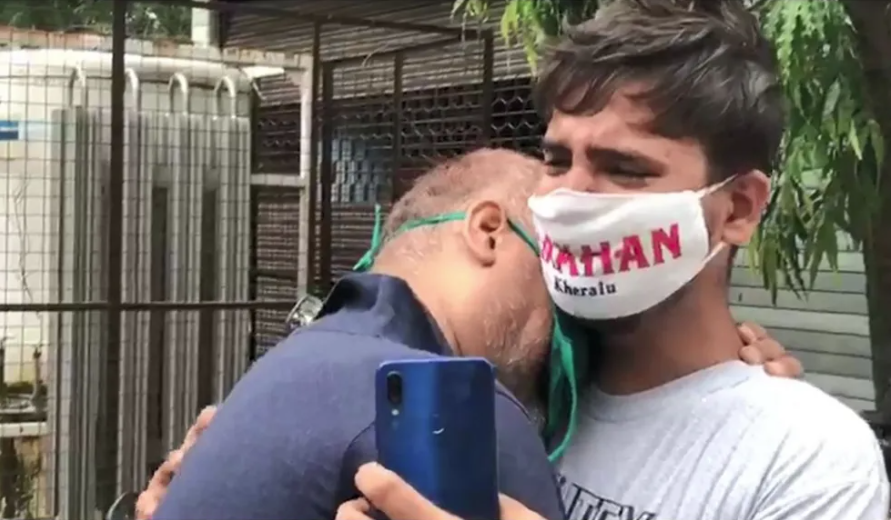
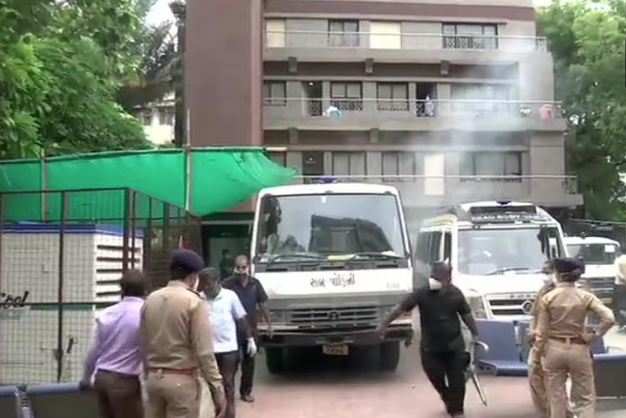
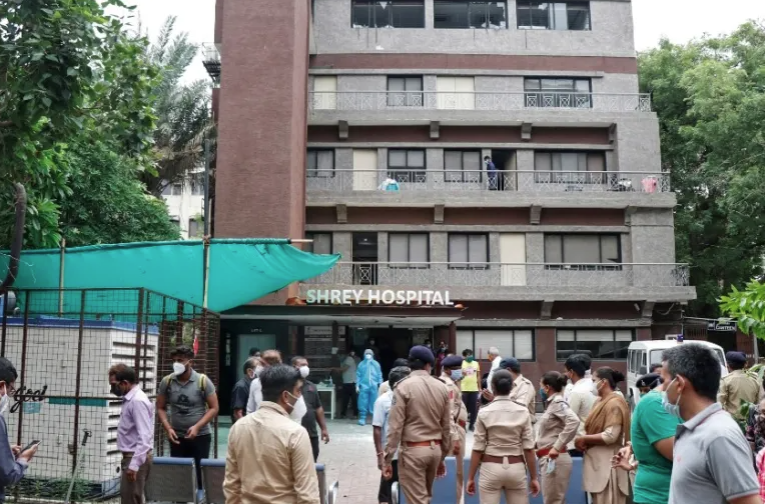
1 / 4 Eight COVID-19 ICU patients died in the 6 August 2020 Shrey Hospital fire in Ahmedabad. Court records document the incident and inquiry, while the complete technical cause and every alleged system failure remain unresolved in the reviewed public record.
Quick answers
What happened in the Shrey Hospital fire in Ahmedabad?
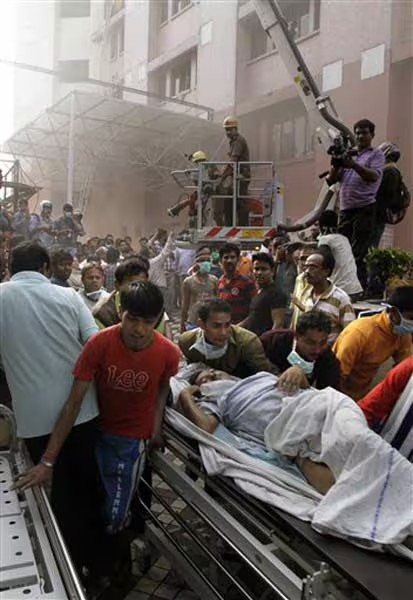
In the early hours of 6 August 2020, a fire in the intensive-care area of Shrey Hospital, Navrangpura, Ahmedabad, killed eight COVID-19 patients. Other patients were moved out during the emergency.
Is the cause of the Shrey Hospital fire known?
Public accounts suggested electrical or air-conditioning involvement, but no complete final technical report was located. Claims about the ignition point, oxygen leakage or alarms are not treated as established facts.
What action followed the Shrey Hospital fire?
The Gujarat government appointed a commission of inquiry on 11 August. Later court records questioned whether approvals, electrical safety, detection and assisted evacuation were checked in the actual occupied condition.
What should patients and visitors do during a hospital fire?
Alert staff at the first sign of smoke, follow the hospital's evacuation plan and avoid lifts unless emergency staff direct their use. Visitors should never disconnect life-support equipment.
What happened
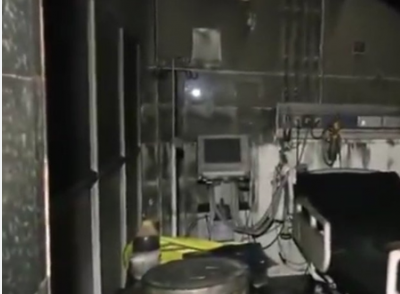
In the early hours of 6 August 2020, a fire in the intensive-care area of Shrey Hospital in Navrangpura, Ahmedabad, killed eight COVID-19 patients. Other patients were moved from the hospital during the emergency.
Official review
The Gujarat government appointed a commission of inquiry on 11 August. Later court records considered Shrey Hospital alongside other fatal fires in COVID-care facilities and questioned whether approvals, electrical safety, detection, compartmentation and assisted evacuation were being verified in the actual occupied condition.
What is confirmed
The incident date, location and eight-patient death toll are supported by the reviewed court record. The patients were in a critical-care setting where independent evacuation could not be assumed.
What is not treated as settled
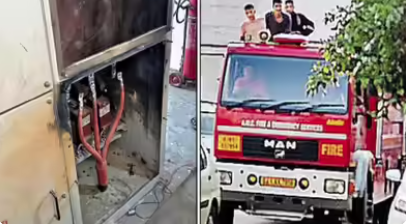
Public accounts proposed electrical or air-conditioning involvement, but the reviewed material does not provide a complete final technical report supporting every legacy claim about the ignition point, oxygen leakage, alarms, sprinklers, staffing or individual actions. Those claims are not repeated as established facts.
Hospital-fire survival
Patients and visitors should alert staff at the first sign of smoke, follow the designated evacuation or relocation plan and avoid lifts unless emergency staff specifically direct their use. Clinical staff must follow the hospital plan for oxygen isolation and assisted patient movement; untrained visitors should not disconnect life-support equipment.
Systemic lesson
Hospitals need continuously maintained electrical systems, early detection, smoke compartments, usable exits, trained staff and enough people and equipment to move patients who cannot self-evacuate.
Latest update (16 October 2026)
Ahmedabad police charged the hospital trustee, Bharat Mahant, with culpable homicide not amounting to murder on 11 August 2020. Scroll reported that the FIR cited the lack of a fire NOC and fire alarm system, unused extinguishers and untrained staff, and that a preliminary report by two IAS officers pointed to a short circuit in medical equipment.
In December 2020 the Gujarat High Court directed adequate ex gratia for the families and a consolidated fire-safety code for clinical establishments. The Justice D A Mehta Commission’s report, reported in September 2021, held the hospital management responsible. In October 2022 the Supreme Court said the report must be placed before the Gujarat Assembly; reports differ on when it was tabled.
We could not find any later report on the criminal trial or on the families’ 2021 petition for a CBI probe.
More on Ahmedabad: see our Ahmedabad fire and emergency safety guide for fire brigade numbers, every fire station and the local risks to know.
- Fire in the intensive-care area of Shrey Hospital, Navrangpura, Ahmedabad; eight COVID-19 patients die and others are moved out
- Gujarat government appoints a commission of inquiry
- Supreme Court order deals with repeated fires in COVID-care hospitals
- Police charge trustee Bharat Mahant with culpable homicide not amounting to murder; FIR cites no fire NOC, no fire alarm system and untrained staff (Scroll)
- Gujarat High Court directs ex gratia for families and a fire-safety code for clinical establishments (SabrangIndia)
- Justice D A Mehta Commission report holds the hospital management responsible and points to the trustee's negligence (DeshGujarat)
- Families of three victims ask the High Court to transfer the probe to the CBI; notice issued to the state (SabrangIndia)
- Supreme Court says the commission report must be tabled in the Gujarat Assembly (LiveLaw)
- No trial verdict or CBI-transfer decision found
Why consequences escalated
- ICU patients cannot be assumed capable of self-evacuation
- Electrical loads and medical equipment require disciplined inspection
- Smoke compartments and fire doors buy time for assisted movement
- Staffing and evacuation equipment must match every occupied shift
- Temporary pandemic arrangements cannot bypass life-safety controls
Failures and risk multipliers
- Treating a fire approval on paper as proof the ward is safe as it is actually used
- Adding beds, machines and electrical load to an ICU without fresh electrical checks
- Assuming ICU patients can get themselves out
- Having too few night-shift staff to move patients on oxygen or ventilators
- Setting up temporary wards in spaces never planned as smoke compartments
Actions that reduce risk
- Get ICU wiring, AC units and equipment load checked by a licensed electrician, and recheck whenever beds or machines are added
- Test smoke detection and alarms in every critical-care area
- Keep fire and smoke doors closing properly so patients can be moved to the next compartment
- Write a moving plan for each ICU patient, with named staff, oxygen and transport for every shift
- Run a night-shift evacuation drill with the real number of staff on duty
- Ask the fire service to inspect the hospital as it is being used, not only at approval


Leave a comment